


Bioactive Factors in Human Breast Milk Attenuate Intestinal Inflammation during Early Life
- PMID: 32102231
- PMCID: PMC7071406
- DOI: 10.3390/nu12020581
Bioactive Factors in Human Breast Milk Attenuate Intestinal Inflammation during Early Life
Abstract
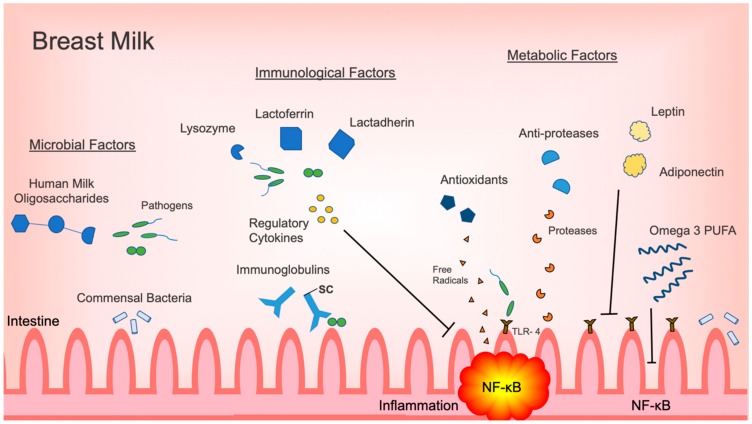
Human breast milk is well known as the ideal source of nutrition during early life, ensuring optimal growth during infancy and early childhood. Breast milk is also the source of many unique and dynamic bioactive components that play a key role in the development of the immune system. These bioactive components include essential microbes, human milk oligosaccharides (HMOs), immunoglobulins, lactoferrin and dietary polyunsaturated fatty acids. These factors all interact with intestinal commensal bacteria and/or immune cells, playing a critical role in establishment of the intestinal microbiome and ultimately influencing intestinal inflammation and gut health during early life. Exposure to breast milk has been associated with a decreased incidence and severity of necrotizing enterocolitis (NEC), a devastating disease characterized by overwhelming intestinal inflammation and high morbidity among preterm infants. For this reason, breast milk is considered a protective factor against NEC and aberrant intestinal inflammation common in preterm infants. In this review, we will describe the key microbial, immunological, and metabolic components of breast milk that have been shown to play a role in the mechanisms of intestinal inflammation and/or NEC prevention.
Keywords: bioactive; breast milk; human milk; intestinal inflammation; necrotizing enterocolitis.
Conflict of interest statement
The authors have no conflicts of interest in the writing of this manuscript.
Figures
References
Publication types
MeSH terms
Grants and funding
LinkOut - more resources
Full Text Sources
