


In vitro comparison of the accuracy of four intraoral scanners and three conventional impression methods for two neighboring implants
- PMID: 32106275
- PMCID: PMC7046187
- DOI: 10.1371/journal.pone.0228266
In vitro comparison of the accuracy of four intraoral scanners and three conventional impression methods for two neighboring implants
Abstract
Purpose: To determine whether the accuracy of two-implant model impressions taken with optical scanners was inferior to that of those taken with elastomeric materials.
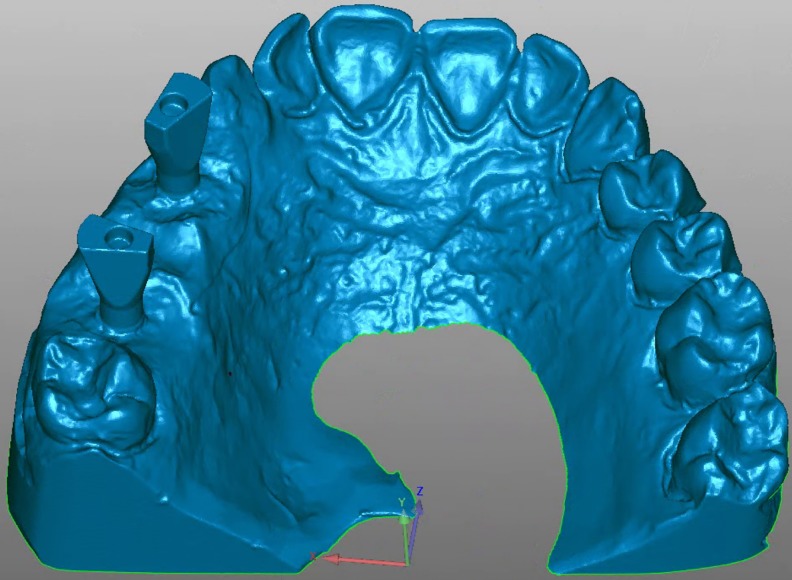
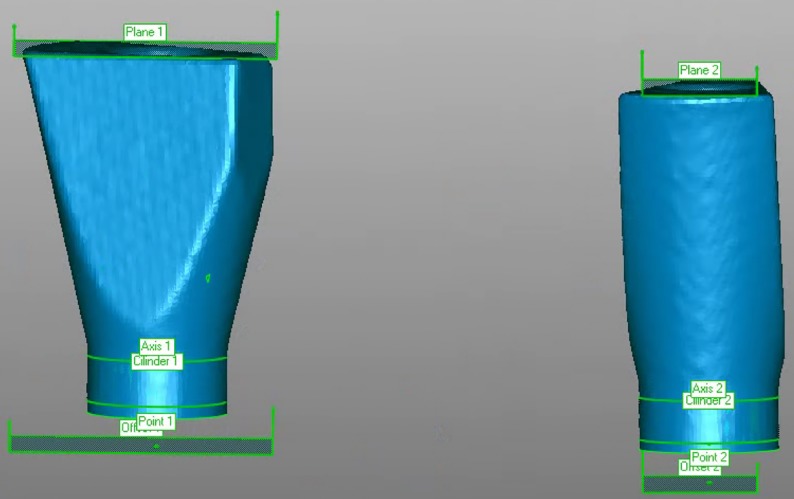
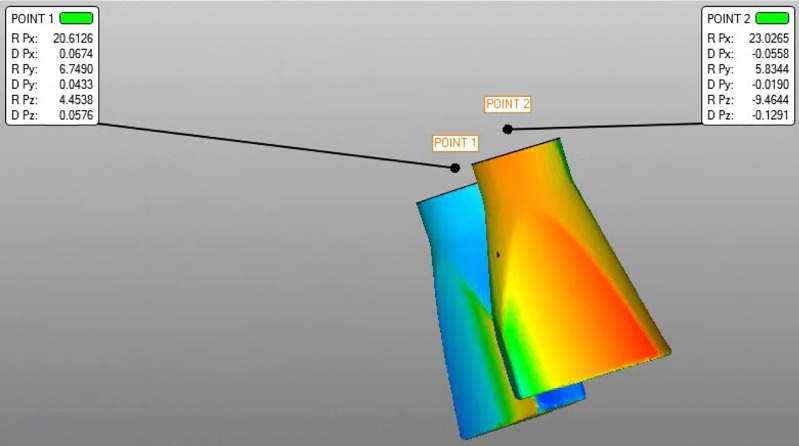
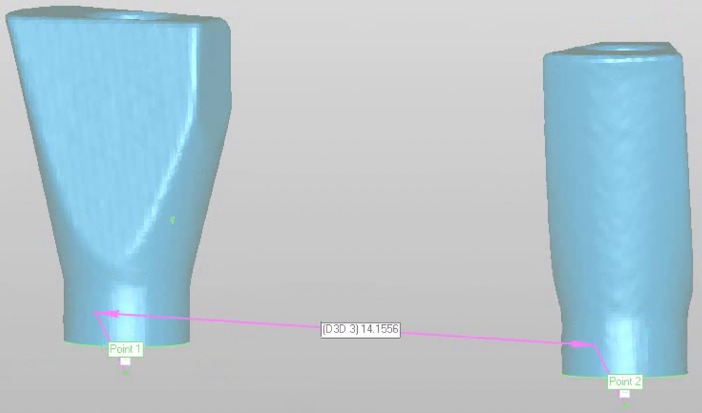
Materials and methods: Impressions of a resin reference model with two almost parallel implants were taken using three elastomeric impressions (closed tray technique, open tray nonsplinted technique and open tray splinted technique) and scanned with four optical scanners (CEREC Omnicam, 3M True Definition Scanner, 3Shape TRIOS3 and Carestream CS 3600). STL files of the different methods were superimposed and analyzed with control software (Geomagic Control X, 3D systems) to determine the mean deviation between scans.
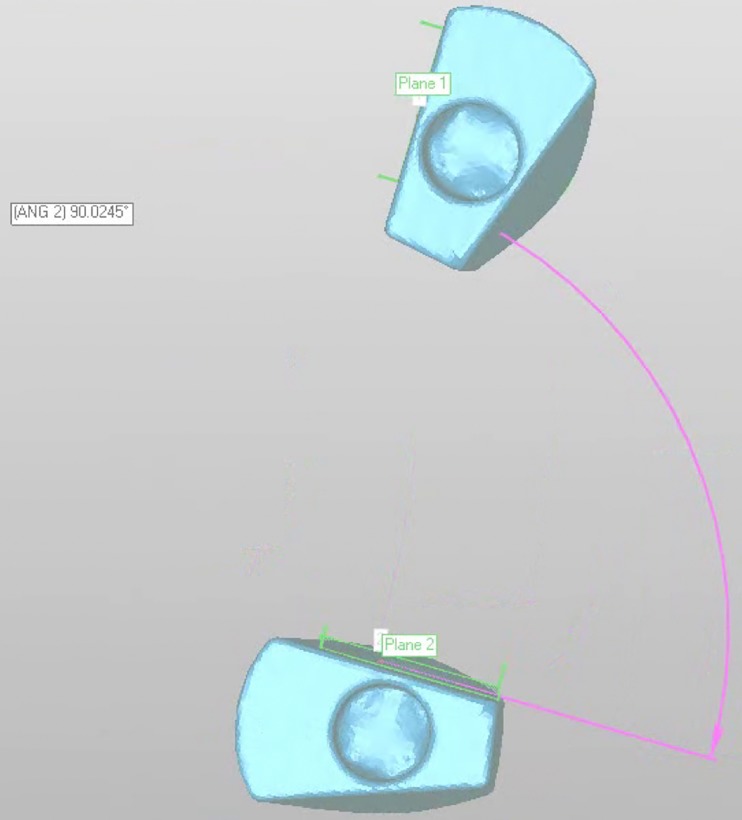
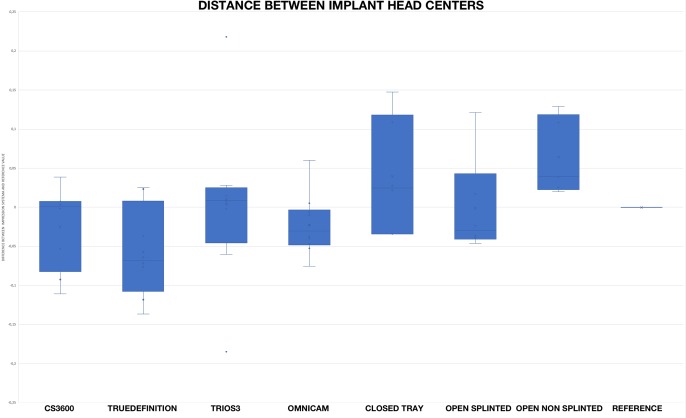
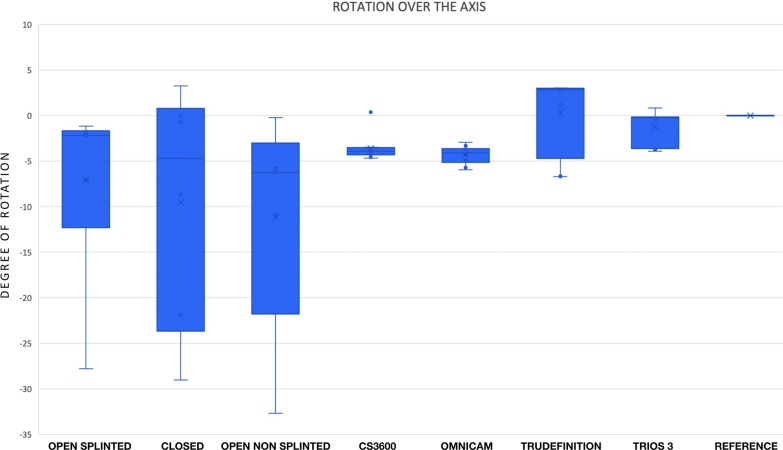
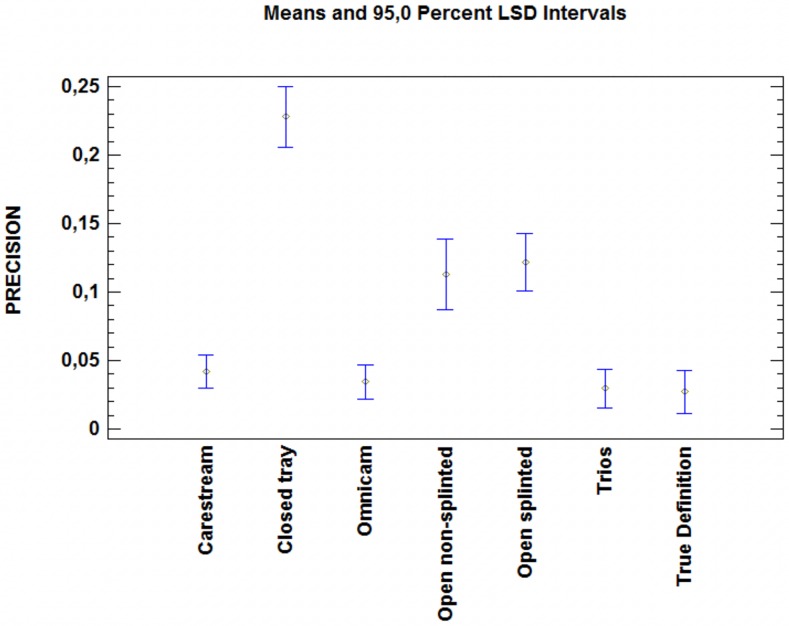
Results: Compared to elastomeric impressions, optical impressions showed a significantly improved mean precision. TRIOS3 and CS3600 showed a significantly improved mean trueness compared to that of closed tray, CEREC Omnicam and TrueDefinition. All methods showed a certain degree of implant rotation over their axes, which was significantly higher in the closed tray and the open tray nonsplinted techniques.
Conclusions: Optical impressions, taken under these in vitro conditions, showed improved accuracy compared with that of elastomeric impressions.
Conflict of interest statement
The authors have declared that no competing interests exist.
Figures
References
-
- Tan KB. The clinical significance of distortion in implant prosthodontics: is there such a thing as passive fit? Ann Acad Med Singapore. 1995;24(1):138–57. . - PubMed
-
- Jansen VK, Conrads G, Richter EJ. Microbial leakage and marginal fit of the implant-abutment interface. Int J Oral Maxillofac Implants. 1997;12(4):527–40. . - PubMed
-
- al-Turki LE, Chai J, Lautenschlager EP, Hutten MC. Changes in prosthetic screw stability because of misfit of implant-supported prostheses. Int J Prosthodont. 2002;15(1):38–42. . - PubMed
-
- Millington ND, Leung T. Inaccurate fit of implant superstructures. Part 1: Stresses generated on the superstructure relative to the size of fit discrepancy. Int J Prosthodont. 1995;8(6):511–6. Epub 1995/11/01. . - PubMed
MeSH terms
Substances
LinkOut - more resources
Full Text Sources
