


Radiprodil, a NR2B negative allosteric modulator, from bench to bedside in infantile spasm syndrome
- PMID: 32106360
- PMCID: PMC7085998
- DOI: 10.1002/acn3.50998
Radiprodil, a NR2B negative allosteric modulator, from bench to bedside in infantile spasm syndrome
Abstract
Objective: Infantile spasm syndrome (ISS) is an epileptic encephalopathy without established treatment after the failure to standard of care based on steroids and vigabatrin. Converging lines of evidence indicating a role of NR2B subunits of the N-methyl-D-aspartate (NMDA) receptor on the onset of spams in ISS patients, prompted us to test radiprodil, a negative allosteric NR2B modulator in preclinical seizure models and in infants with ISS.
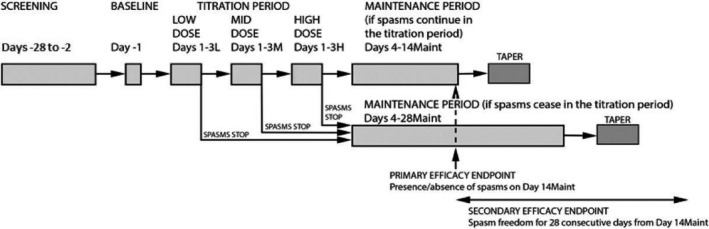
Methods: Radiprodil has been tested in three models, including pentylenetetrazole-induced seizures in rats across different postnatal (PN) ages. Three infants with ISS have been included in a phase 1b escalating repeated dose study.
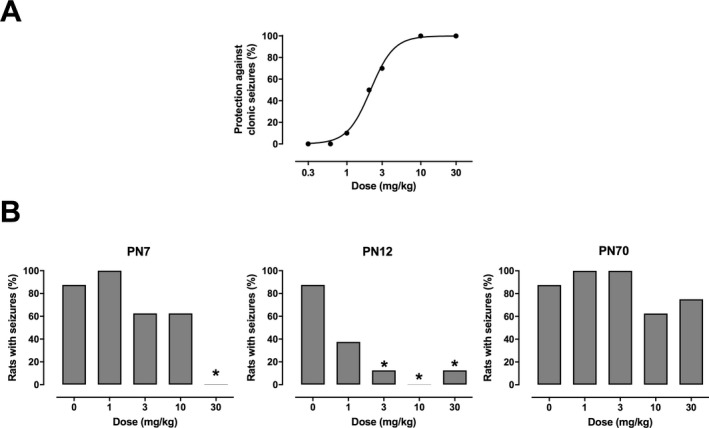
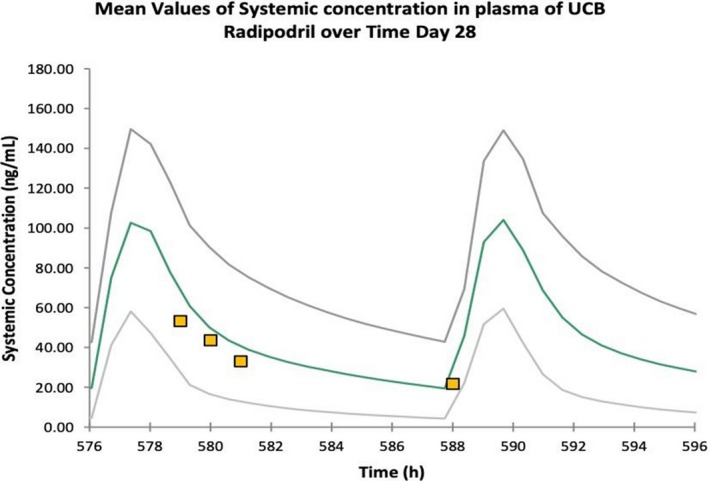
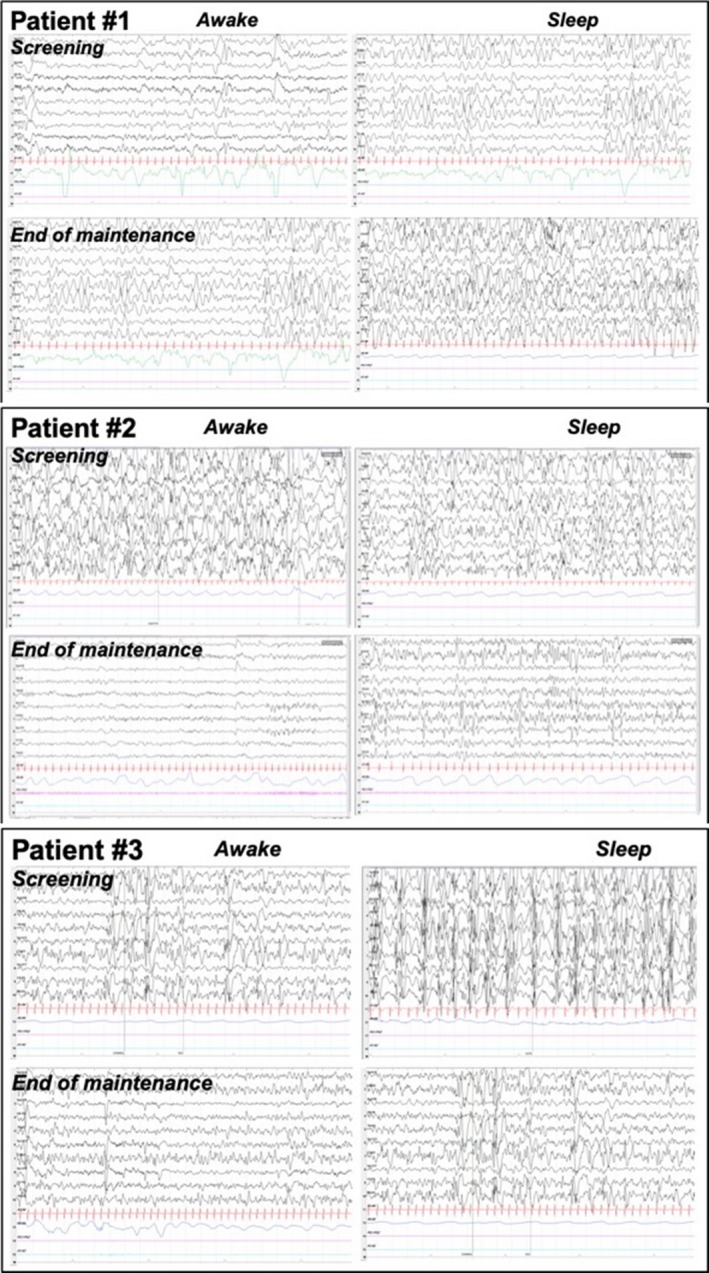
Results: Radiprodil showed the largest protective seizure effects in juvenile rats (maximum at PN12, corresponding to late infancy in humans). Three infants resistant to a combination of vigabatrin and prednisolone received individually titrated doses of radiprodil for up to 34 days. Radiprodil was safe and well tolerated in all three infants, and showed the expected pharmacokinetic profile. One infant became spasm-free and two showed clinical improvement without reaching spasm-freedom. After radiprodil withdrawal, the one infant continued to be spasm-free, while the two others experienced seizure worsening requiring the use of the ketogenic diet and other antiepileptic drugs.
Interpretation: Radiprodil showed prominent anti-seizure effect in juvenile animals, consistent with the prevalent expression of NR2B subunit of the NMDA receptor at this age in both rodents and humans. The clinical testing, although preliminary, showed that radiprodil is associated with a good safety and pharmacokinetic profile, and with the potential to control epileptic spasms.
© 2020 The Authors. Annals of Clinical and Translational Neurology published by Wiley Periodicals, Inc on behalf of American Neurological Association.
Conflict of interest statement
Stéphane Auvin has served as consultant or received honoraria for lectures from Advicenne Pharma, Biocodex, Eisai, GW Pharma, Novartis, Nutricia, Shire, UCB Pharma, Ultragenyx, Zogenyx. He has been investigator for clinical trials for Advicenne Pharma, Eisai, UCB Pharma and Zogenyx.
Blandine Dozières‐Puyravel has received honoraria for lectures from Eisai and UCB Pharma. She has been co‐investigator for clinical trials for Advicenne Pharma, Eisai, UCB Pharma and Zogenyx.
UCB biopharma was the clinical study sponsor. DS, JC, AA, RK, and PM are or were at the time this study was conducted full time employees of UCB Pharma, a pharmaceutical company active in the drug discovery, and development of new anticonvulsants.
Figures
References
-
- Lux AL, Osborne JP. A proposal for case definitions and outcome measures in studies of infantile spasms and West syndrome: consensus statement of the west Delphi group. Epilepsia 2004;45:1416–1428. - PubMed
-
- Hrachovy RA, Frost JD, Kellaway P. Hypsarrhythmia ‐ variations on the theme. Epilepsia 1984;25:317–325. - PubMed
-
- McTague A, Howell KB, Cross JH, et al. The genetic landscape of the epileptic encephalopathies of infancy and childhood. Lancet Neurol 2016;15:304–316. - PubMed
-
- Osborne JP, Lux AL, Edwards SW, et al. The underlying etiology of infantile spasms (West syndrome): information from the United Kingdom Infantile Spasms Study (UKISS) on contemporary causes and their classification. Epilepsia 2010;51:2168–2174. - PubMed
Publication types
MeSH terms
Substances
LinkOut - more resources
Full Text Sources
Other Literature Sources