


Use of Ionic Liquids in Chitin Biorefinery: A Systematic Review
- PMID: 32117907
- PMCID: PMC7025488
- DOI: 10.3389/fbioe.2020.00011
Use of Ionic Liquids in Chitin Biorefinery: A Systematic Review
Abstract
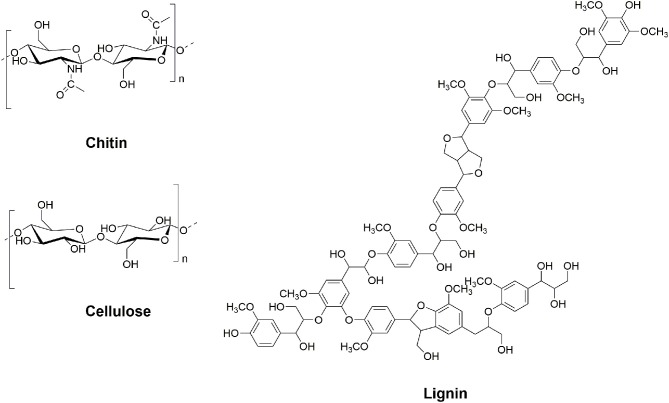
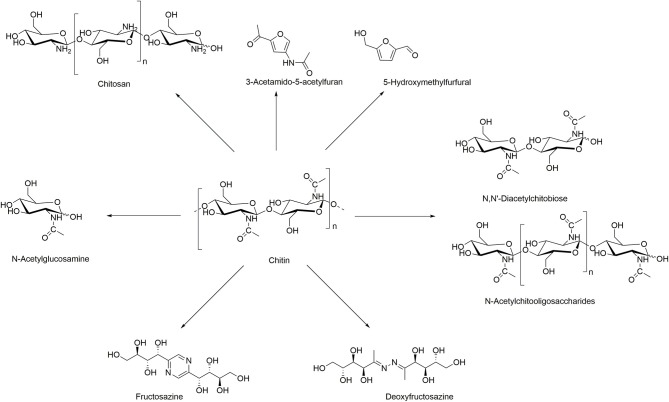
Lignocellulosic biomass biorefinery is the most extensively investigated biorefinery model. At the same time, chitin, structurally similar to cellulose and the second most abundant polymer on Earth, represents a unique chemical structure that allows the direct manufacture of nitrogen-containing building blocks and intermediates, a goal not accomplishable using lignocellulosic biomass. However, the recovery, dissolution, and treatment of chitin was fairly challenging until the polymer's easy dissolution in ionic liquids (salts that are liquid at room temperature) was discovered. In this systematic review, we highlight recent developments in the processing of chitin, with a particular emphasis placed on methods conducted with the help of ionic liquids used as solvents, co-solvents, or catalysts. Such use of ionic liquids in the field of chemical transformations of chitin not only allows for shorter times and less harsh reaction conditions, but also results in different outcomes and higher product yields when compared with reactions conducted in "traditional" manner. Valorization of biomass in general, and chitin in particular, is a key enabling strategy of the circular economy, due to the importance of the sustainable production of biomass-based goods and chemicals and full chain resource efficiency. Economics is driven by the production of high-value chemicals or chemical intermediates from various biomasses, and chitinous biomass is a valuable potential resource. A fundamental "paradigm shift" will radically change the balance of oil-based chemicals to biopolymer-based chemicals, and chitin valorization is a necessary step aimed toward its full market competitiveness and flexibility.
Keywords: biomass; biomass valorization; biorefinery; chitin; circular economy; ionic liquids.
Copyright © 2020 Shamshina and Berton.
Figures

References
-
- Abu-Eishah S. I. (2011). Ionic liquids recycling for reuse, in Ionic Liquids - Classes and Properties, ed Handy S. (Rijeka: InTechOpen, 239–274.
-
- Aspras I., Kaminska M., Karzynski K., Kawka M., Jaworska M. (2016). The influence of selected ionic liquids on activity of chitin deacetylase. Chem. Proc. Eng. 37, 77–82. 10.1515/cpe-2016-0008 - DOI
-
- Barber P. S., Griggs C. S., Bonner J. R., Rogers R. D. (2013). Electrospinning of chitin nanofibers directly from an ionic liquid extract of shrimp shells. Green Chem. 15, 601–607. 10.1039/c2gc36582k - DOI
Publication types
LinkOut - more resources
Full Text Sources
