


A modeling platform for the lymphatic system
- PMID: 32119968
- PMCID: PMC7297266
- DOI: 10.1016/j.jtbi.2020.110193
A modeling platform for the lymphatic system
Abstract
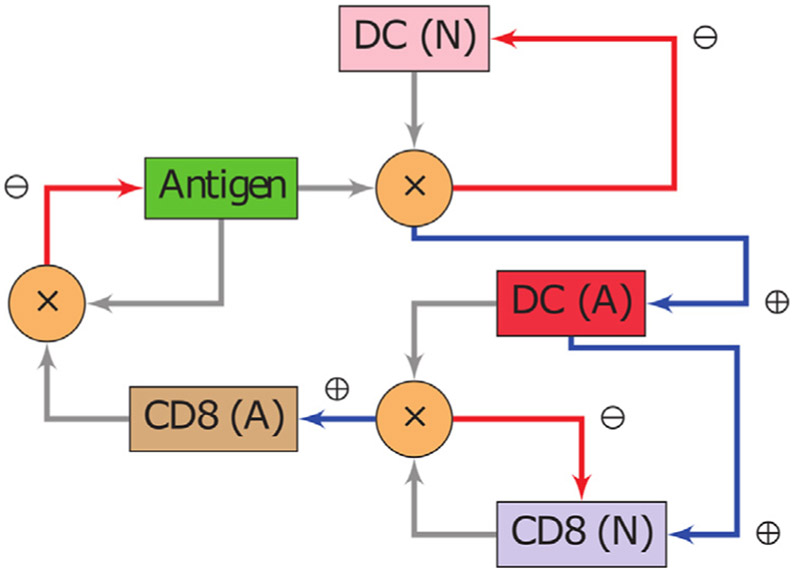
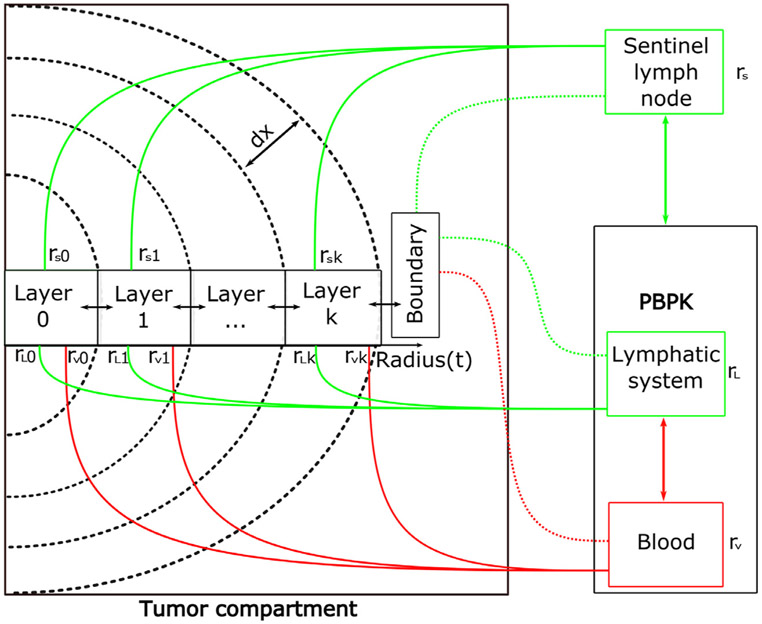
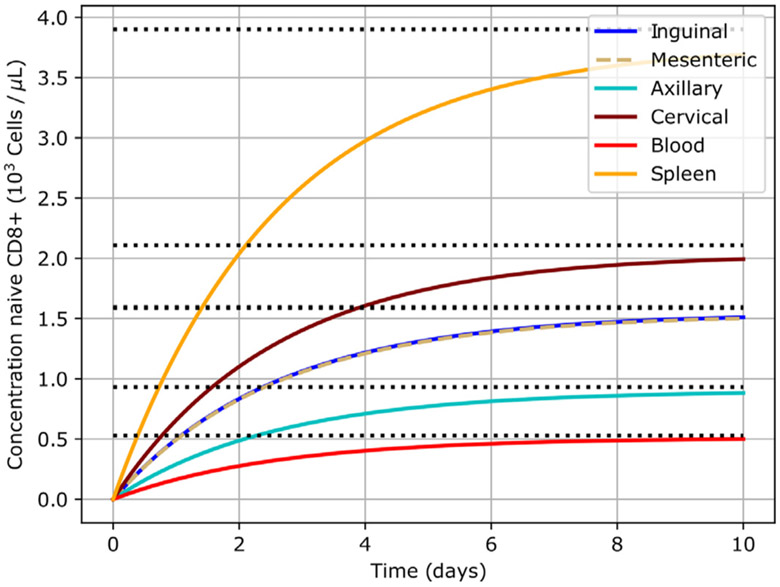
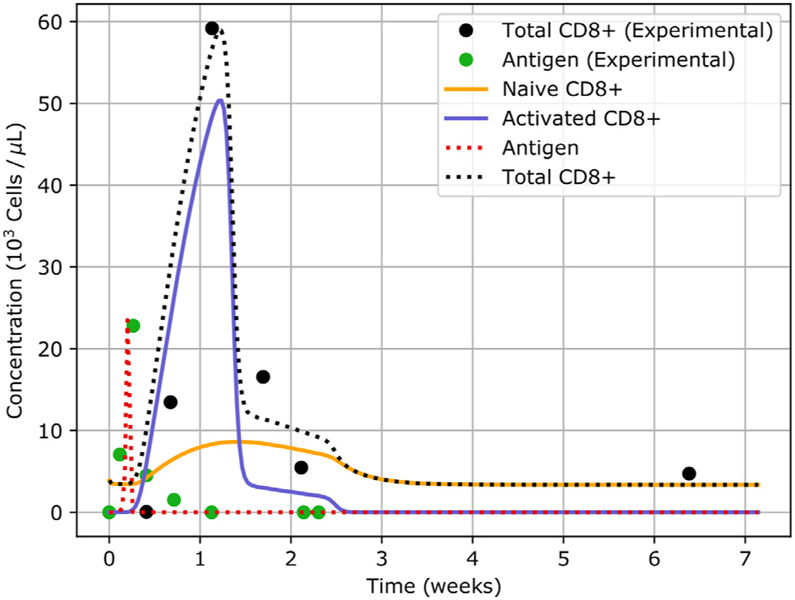
We present a physiologically-based pharmacokinetic modeling platform capable of simulating the biodistribution of different therapeutic agents, including cells, their interactions within the immune system, redistribution across lymphoid compartments, and infiltration into tumor tissues. This transport-based platform comprises a distinctive implementation of a tumor compartment with spatial heterogeneity which enables the modeling of tumors of different size, necrotic state, and agent infiltration capacity. We provide three validating and three exploratory examples that illustrate the capabilities of the proposed approach. The results show that the model can recapitulate immune cell balance across different compartments, respond to antigen stimulation, simulate immune vaccine effects, and immune cell infiltration to tumors. Based on the results, the model can be used to study problems pertinent to current immunotherapies and has the potential to assist medical techniques that rely on the transport of biological species.
Keywords: Cancer; Immunotherapy; Lymphatic system; Mathematical modeling; Physiologically-based pharmacokinetic modeling.
Copyright © 2020 Elsevier Ltd. All rights reserved.
Figures



References
-
- Alitalo A, Detmar M, 2012. Interaction of tumor cells and lymphatic vessels in cancer progression. Oncogene 31 (42), 4499–4508. - PubMed
-
- Baba M, Tatsuta M, Miya A, Ishida H, Masutani S, Kawasaki T, Satomi T, Hanai J, Kimura F, 2000. A case of breast cancer diagnosed by inguinal lymph node metastasis. Breast Cancer 7 (2), 173–175. - PubMed
-
- Bird R, Stewart W, Lightfoot E, 2002. Transport Phenomena. John Wiley & Sons.
-
- Braun M, Golubitsky M, 1983. Differential Equations and Their Applications, 4 Springer.
Publication types
MeSH terms
Grants and funding
LinkOut - more resources
Full Text Sources
Medical
