


Effects of humorous interventions on the willingness to donate organs: a quasi-experimental study in the context of medical cabaret
- PMID: 32131795
- PMCID: PMC7057630
- DOI: 10.1186/s12889-020-8400-y
Effects of humorous interventions on the willingness to donate organs: a quasi-experimental study in the context of medical cabaret
Abstract
Background: It has been shown that fears and misconceptions negatively affect the willingness to donate organs. Empirical studies have examined health communication strategies that serve to debunk these fears. There are promising indications that humor has the potential to influence health-related attitudes and behaviors. This study examines empirically whether medical cabaret, as a specific format for delivering health-related information in a humorous way, affects the willingness to donate organs.
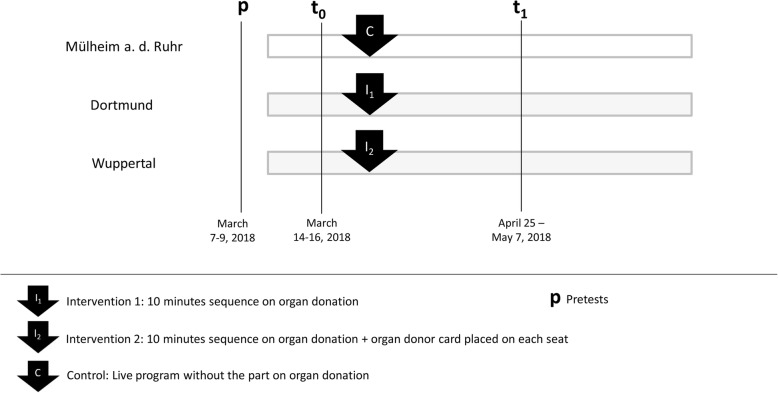
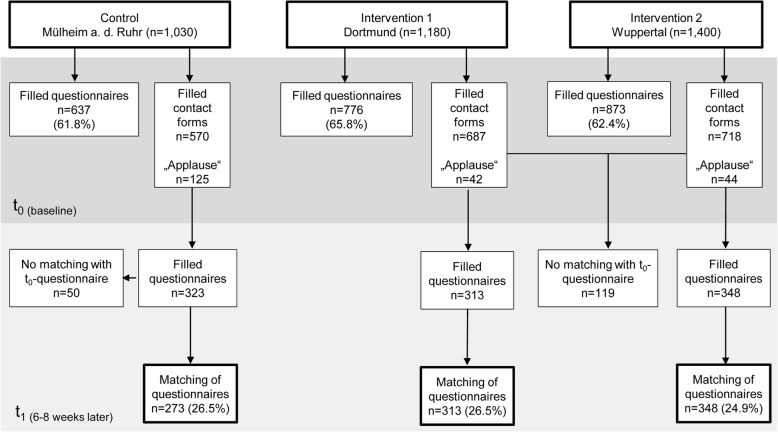
Methods: A quasi-experimental study was conducted among the audience of a medical cabaret live show. Participants in two intervention groups and one control group were interviewed just before the start of the live show (t0) and about 6 weeks later (t1). Intervention group 1 (I1) witnessed a ten-minute sequence by the cabaret artist about organ donation. Participants in I2 witnessed the sequence and, in addition, received an organ donor card. Descriptive statistics and t-tests were used to investigate changes in attitudes and the willingness to donate organs from t0 to t1.
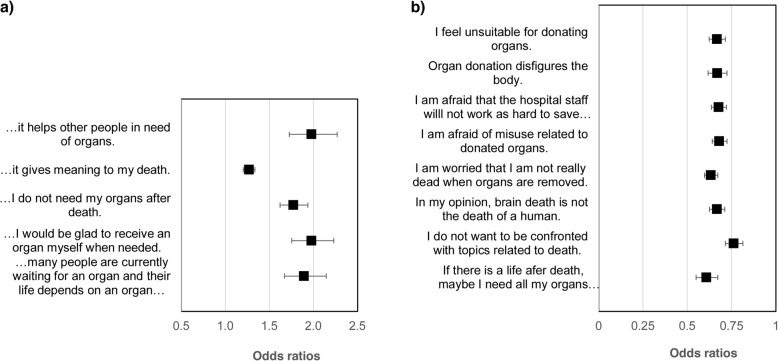
Results: A significant increase in the willingness to donate organs and an improvement in general attitude was observed in the intervention groups. Moreover, significantly more participants in I2 carried an organ donor card after the intervention. Some fears could be reduced, while understanding of the reasons for organ donation could be increased via the intervention.
Conclusions: The study confirms that medical cabaret is able to affect respondents' attitudes and behaviors even in the context of organ donation. Medical cabaret can enhance the willingness to donate organs and dispel negative concerns.
Keywords: Health communication; Humor; Medical cabaret; Organ donation; Organ transplantation.
Conflict of interest statement
The authors declare that they have no competing interests. FF serves on the Editorial Board of BMC Public Health as Associate Editor.
Figures
References
-
- Eurotransplant. Active organ waiting list. https://www.eurotransplant.org/cms/index.php?page=home. Accessed 17 June 2019.
-
- Nijkamp MD, Hollestelle ML, Zeegers MP, Van den Borne B, Reubsaet A. To be (come) or not to be (come) an organ donor, that’s the question: a meta-analysis of determinant and intervention studies. Health Psychol Rev. 2008;2(1):20–40. doi: 10.1080/17437190802307971. - DOI
-
- Six B, Hübner G. Einflussgrößen der Organspendebereitschaft – Die “Theorie des überlegten Handelns” und das erweiterte Modell der Organspende als Erklärungsansätze. In: BZgA, editor. Aufklärung zur Organ- und Gewebespende in Deutschland: Neue Wege der Gesundheitskommunikation. Köln: Bundeszentrale für gesundheitliche Aufklärung; 2012. p. 58–67.
Publication types
MeSH terms
LinkOut - more resources
Full Text Sources
Medical
