


A comparison of self-reported and device measured sedentary behaviour in adults: a systematic review and meta-analysis
- PMID: 32131845
- PMCID: PMC7055033
- DOI: 10.1186/s12966-020-00938-3
A comparison of self-reported and device measured sedentary behaviour in adults: a systematic review and meta-analysis
Abstract
Background: Sedentary behaviour (SB) is a risk factor for chronic disease and premature mortality. While many individual studies have examined the reliability and validity of various self-report measures for assessing SB, it is not clear, in general, how self-reported SB (e.g., questionnaires, logs, ecological momentary assessments (EMAs)) compares to device measures (e.g., accelerometers, inclinometers).
Objective: The primary objective of this systematic review was to compare self-report versus device measures of SB in adults.
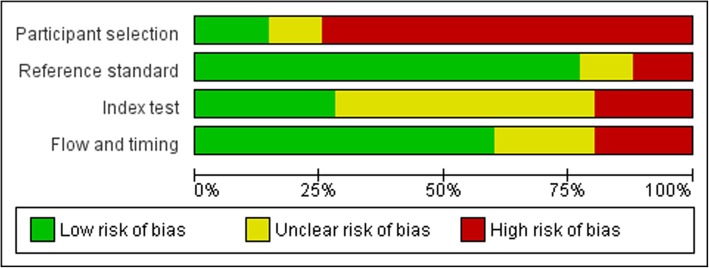
Methods: Six bibliographic databases were searched to identify all studies which included a comparable self-report and device measure of SB in adults. Risk of bias within and across studies was assessed. Results were synthesized using meta-analyses.
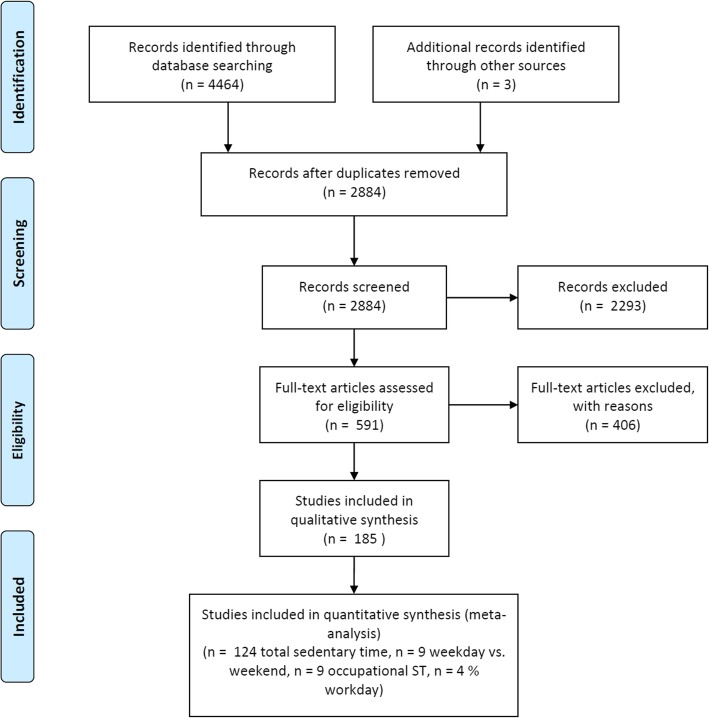
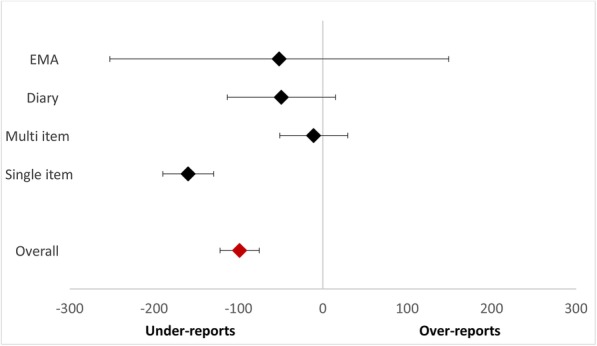
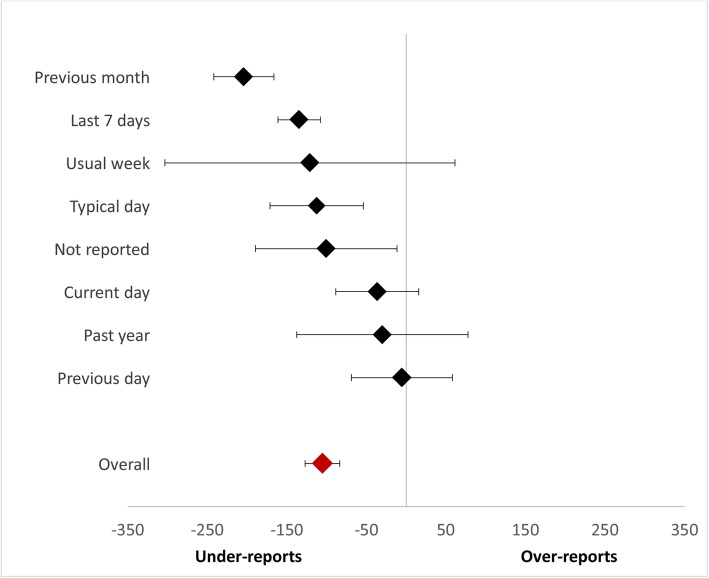
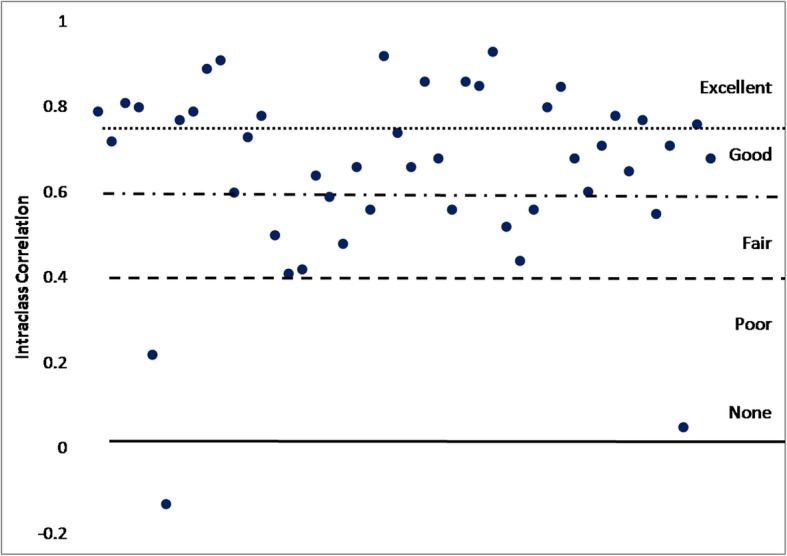
Results: The review included 185 unique studies. A total of 123 studies comprising 173 comparisons and data from 55,199 participants were used to examine general criterion validity. The average mean difference was -105.19 minutes/day (95% CI: -127.21, -83.17); self-report underestimated sedentary time by ~1.74 hours/day compared to device measures. Self-reported time spent sedentary at work was ~40 minutes higher than when assessed by devices. Single item measures performed more poorly than multi-item questionnaires, EMAs and logs/diaries. On average, when compared to inclinometers, multi-item questionnaires, EMAs and logs/diaries were not significantly different, but had substantial amount of variability (up to 6 hours/day within individual studies) with approximately half over-reporting and half under-reporting. A total of 54 studies provided an assessment of reliability of a self-report measure, on average the reliability was good (ICC = 0.66).
Conclusions: Evidence from this review suggests that single-item self-report measures generally underestimate sedentary time when compared to device measures. For accuracy, multi-item questionnaires, EMAs and logs/diaries with a shorter recall period should be encouraged above single item questions and longer recall periods if sedentary time is a primary outcome of study. Users should also be aware of the high degree of variability between and within tools. Studies should exert caution when comparing associations between different self-report and device measures with health outcomes.
Systematic review registration: PROSPERO CRD42019118755.
Keywords: Self-report; device; sedentary behaviour; systematic review.
Conflict of interest statement
The authors declare that they have no competing interests.
Figures
References
-
- LeBlanc AG, Gunnell KE, Prince SA, Saunders TJ, Barnes JD, Chaput J-P. The ubiquity of the screen: an overview of the risks and benefits of screen time in our modern world. Transl J Am Coll Sports Med. 2017;2(17):104–113.
-
- Ekelund U, Steene-Johannessen J, Brown WJ, Fagerland MW, Owen N, Powell KE, et al. Does physical activity attenuate, or even eliminate, the detrimental association of sitting time with mortality? A harmonised meta-analysis of data from more than 1 million men and women. Lancet. 2016;388(10051):1302–1310. doi: 10.1016/S0140-6736(16)30370-1. - DOI - PubMed
-
- World Health Organization. Recommended levels of physical activity for adults aged 18 - 64 years 2011 [Available from: https://www.who.int/dietphysicalactivity/factsheet_adults/en/.
Publication types
MeSH terms
Grants and funding
LinkOut - more resources
Full Text Sources
Medical
