


A Community-based Assessment of Skin Care, Allergies, and Eczema (CASCADE): an atopic dermatitis primary prevention study using emollients-protocol for a randomized controlled trial
- PMID: 32131885
- PMCID: PMC7057622
- DOI: 10.1186/s13063-020-4150-5
A Community-based Assessment of Skin Care, Allergies, and Eczema (CASCADE): an atopic dermatitis primary prevention study using emollients-protocol for a randomized controlled trial
Abstract
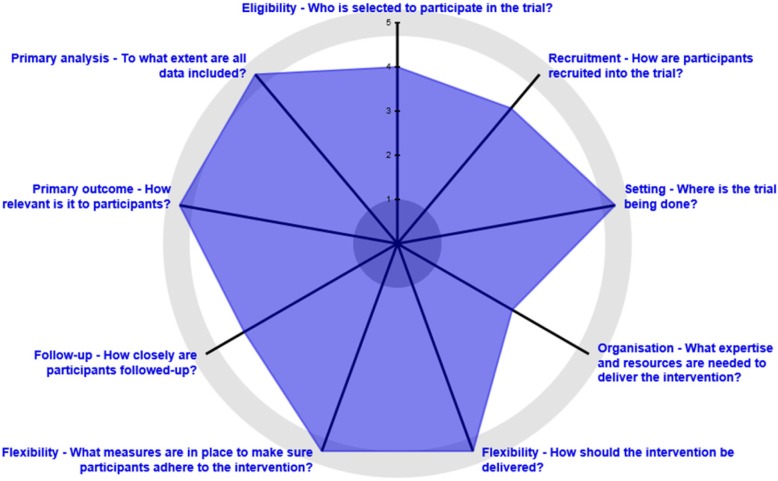
Background: Atopic dermatitis (AD) is a common, chronic skin disorder often beginning in infancy. Skin barrier dysfunction early in life serves as a central event in the pathogenesis of AD. In infants at high risk of developing AD, preventative application of lipid-rich emollients may reduce the risk of developing AD. This study aims to measure the effectiveness of this intervention in a population not selected for risk via a pragmatic, randomized, physician-blinded trial in the primary care setting.
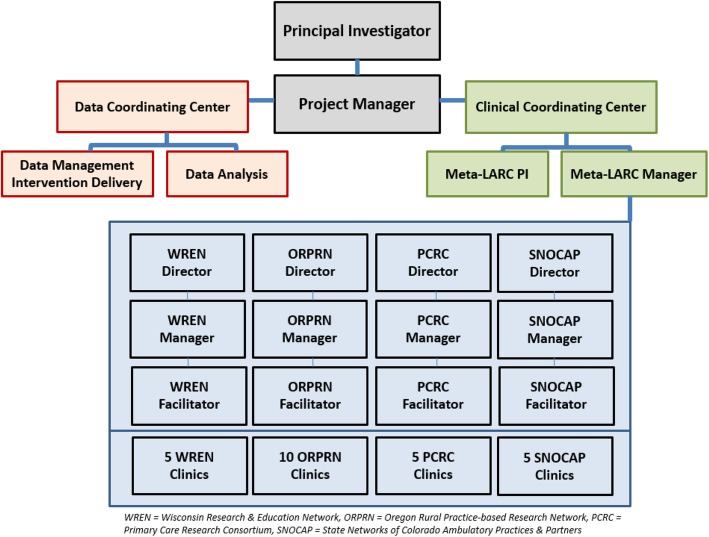
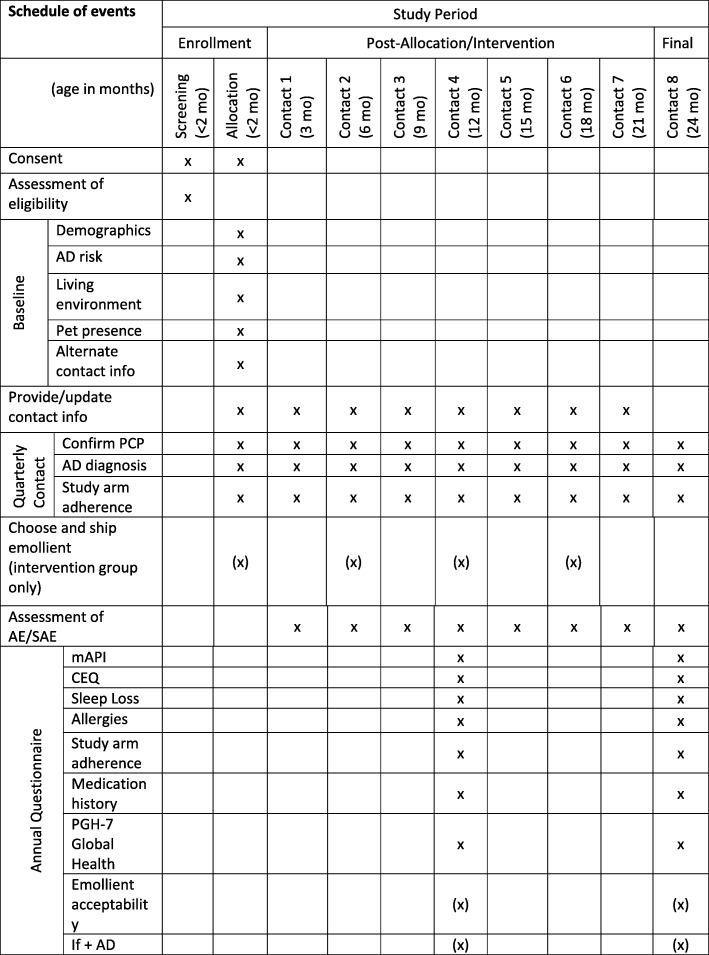
Methods: Infant-parent dyads are recruited from a primary care practice participating through one of four practice-based research networks in Oregon, Colorado, Wisconsin, and North Carolina. Eligible dyads are randomized to the intervention (daily use of lipid-rich emollient) or the control (no emollient) group (n = 625 infants in each) and are followed for 24 months. The primary outcome is the cumulative incidence of physician-diagnosed AD and secondary outcomes include caregiver-reported measures of AD and development of other atopic diseases. Data collection occurs via chart review and surveys, with no study visits required. Data will be analyzed utilizing intention-to-treat principles.
Discussion: AD is a common skin condition in infants that affects quality of life and is associated with the development of other atopic diseases. If a safe intervention, such as application of lipid-rich emollients, in the general population effectively decreases AD prevalence, this could alter the guidance given by providers regarding routine skin care of infants. Because of the pragmatic design, we anticipate that this trial will yield generalizable results.
Trial registration: ClinicalTrials.gov: NCT03409367. Registered on 11 February 2018.
Keywords: Atopic dermatitis; Eczema; Emollient; Moisturizer; Practice-based research network; Pragmatic.
Conflict of interest statement
The authors declare that they have no competing interests.
Figures
References
Publication types
MeSH terms
Substances
Associated data
Grants and funding
LinkOut - more resources
Full Text Sources
Medical
