


Protocol for a longitudinal, prospective cohort study investigating the biology of uterine fibroids and endometriosis, and patients' quality of life: the FENOX study
- PMID: 32139480
- PMCID: PMC7059531
- DOI: 10.1136/bmjopen-2019-032220
Protocol for a longitudinal, prospective cohort study investigating the biology of uterine fibroids and endometriosis, and patients' quality of life: the FENOX study
Abstract
Introduction: Millions of women suffer from the consequences of endometriosis and uterine fibroids, with fibroids the cause for over 50% of hysterectomies in the USA, and direct costs for their treatment estimated at between US$4 and US$9 billion. Endometriosis commonly affects millions of women worldwide predominantly during reproductive age, with severe menstrual and non-menstrual pain and subfertility the main symptoms. Due to the 'unhappy triad' of endometriosis-lack of awareness, lack of clinically relevant biomarkers and the unspecific nature of symptoms-women wait on average for 8-12 years before the definitive endometriosis diagnosis is made. Treatment options for both conditions are not satisfactory at the moment, especially with a view to preserving fertility for the women and families affected. In the Fibroids and Endometriosis Oxford (FENOX) study, we combine the investigation of fibroids and endometriosis, and plan to collect high-quality tissue samples and medical data of participants over a time frame of 5 years after surgical intervention.
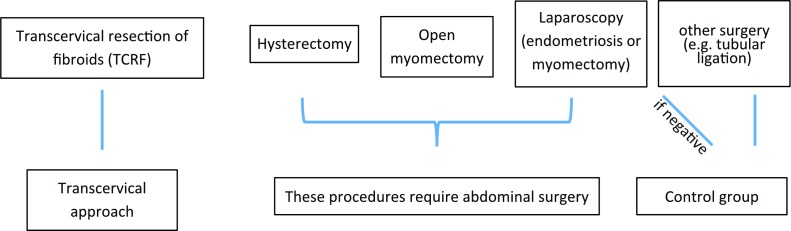
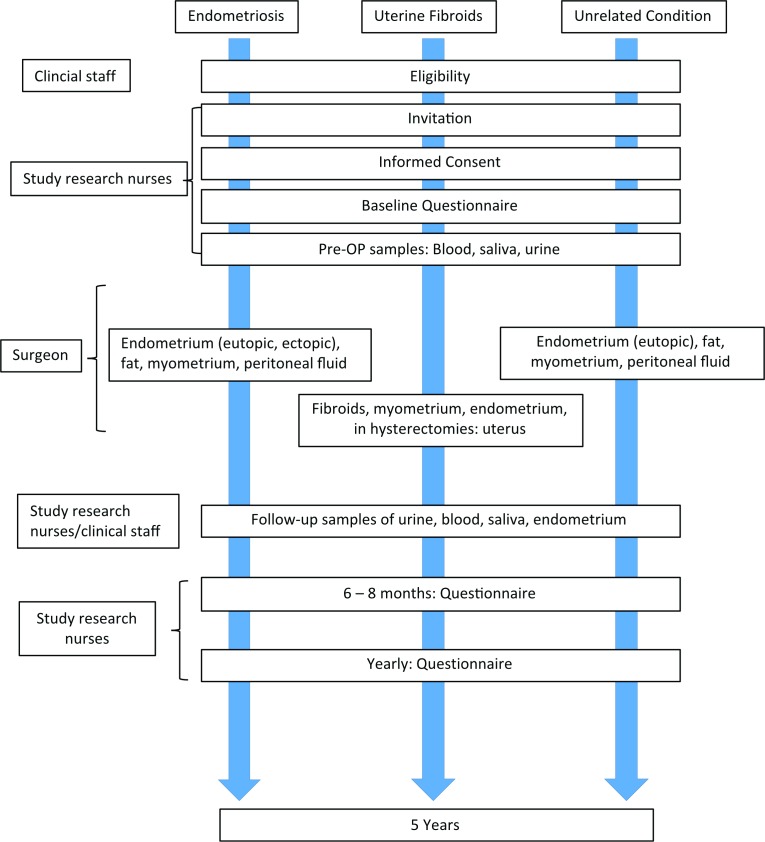
Methods and analysis: Biological samples such as blood, saliva, urine, fat, peritoneal fluid and-if found-endometrial tissue or fibroids as well as detailed clinical and intraoperative data will be collected from women undergoing surgery and participating in the study after informed consent. We plan to recruit up to 1200 participants per disease arm (ie, endometriosis and uterine fibroids) over 5 years. Participants will fill in detailed and validated questionnaires on their medical history and quality of life, with follow-ups for 5 years. Enrolment started on 2 April 2018, and FENOX will close on 31 March 2028. We will analyse the biological samples using state-of-the-art molecular biology methods and correlate the findings with the medical records and questionnaire data.
Ethics and dissemination: The findings will be published in high-ranking journals in the field and presented at national and international conferences.
Trial registration number: ISRCTN13560263.
Keywords: gynaecology; reproductive medicine; subfertility; surgery.
© Author(s) (or their employer(s)) 2020. Re-use permitted under CC BY. Published by BMJ.
Conflict of interest statement
Competing interests: None declared.
Figures
References
Publication types
MeSH terms
Associated data
LinkOut - more resources
Full Text Sources
Medical
Miscellaneous
