


Palliative Care in Children With Heart Disease Treated in an ICU
- PMID: 32142011
- PMCID: PMC7254981
- DOI: 10.1097/PCC.0000000000002271
Palliative Care in Children With Heart Disease Treated in an ICU
Abstract
Objectives: Describe pediatric palliative care consult in children with heart disease; retrospectively apply Center to Advance Palliative Care criteria for pediatric palliative care consults; determine the impact of pediatric palliative care on end of life.
Design: A retrospective single-center study.
Setting: A 16-bed cardiac ICU in a university-affiliated tertiary care children's hospital.
Patients: Children (0-21 yr old) with heart disease admitted to the cardiac ICU from January 2014 to June 2017.
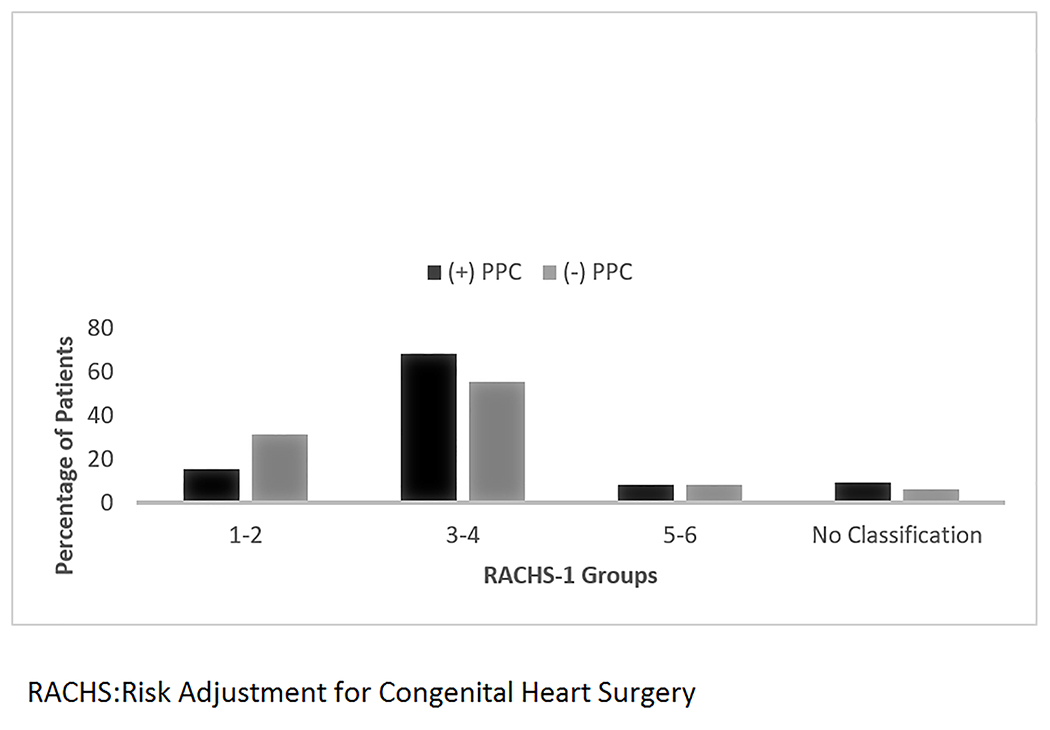
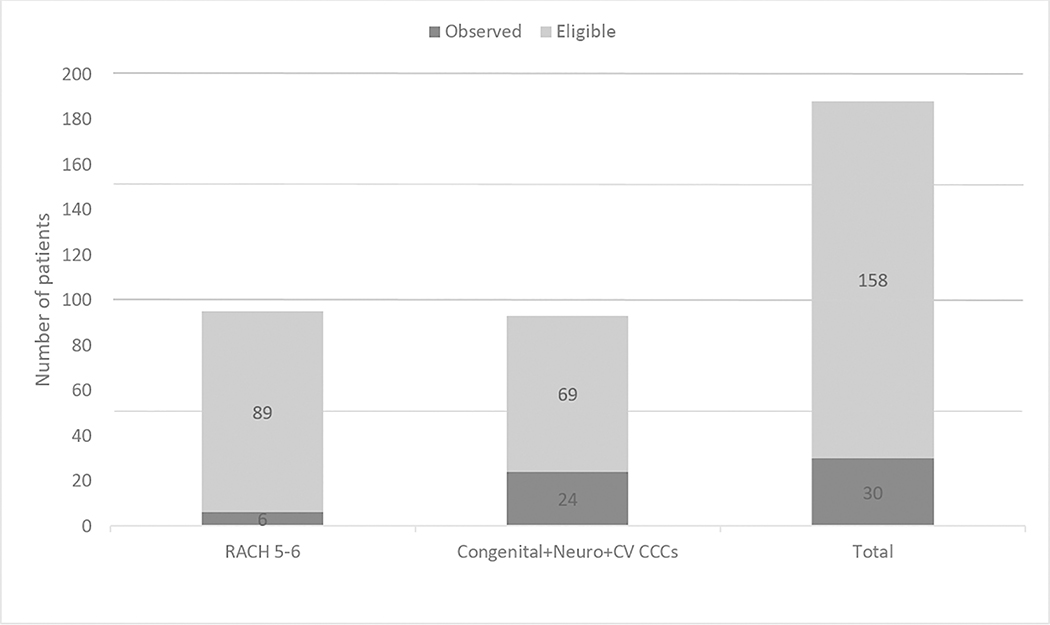
Measurements and main results: Over 1,000 patients (n = 1, 389) were admitted to the cardiac ICU with 112 (8%) receiving a pediatric palliative care consultation. Patients who received a consult were different from those who did not. Patients who received pediatric palliative care were younger at first hospital admission (median 63 vs 239 d; p = 0.003), had a higher median number of complex chronic conditions at the end of first hospitalization (3 vs 1; p < 0.001), longer cumulative length of stay in the cardiac ICU (11 vs 2 d; p < 0.001) and hospital (60 vs 7 d; p < 0.001), and higher mortality rates (38% vs 3%; p < 0.001). When comparing location and modes of death, patients who received pediatric palliative care were more likely to die at home (24% vs 2%; p = 0.02) and had more comfort care at the end of life (36% vs 2%; p = 0.002) compared to those who did not. The Center to Advance Palliative Care guidelines identified 158 patients who were eligible for pediatric palliative care consultation; however, only 30 patients (19%) in our sample received a consult.
Conclusions: Pediatric palliative care consult rarely occurred in the cardiac ICU. Patients who received a consult were medically complex and experienced high mortality. Comfort care at the end of life and death at home was more common when pediatric palliative care was consulted. Missed referrals were apparent when Center to Advance Palliative Care criteria were retrospectively applied.
Conflict of interest statement
All other authors have no financial or potential conflicts of interest to disclose.
Figures
References
-
- Friedrichsdorf SJ, Postier A, Dreyfus J, et al. Improved quality of life at end of life related to home-based palliative care in children with cancer. J Palliat Med. 2015;18:143–150 - PubMed
-
- Sheetz MJ, Bowman M-AS. Parents’ perceptions of a pediatric palliative program. Am J Hosp Plliat Care. 2013;30:291–296 - PubMed
-
- Mazwi ML, Kirsch R. The role of palliative care in critical congenital heart disease. Semin Perinatol. 2017;41:128–132 - PubMed
-
- May R, Thompson J. The role of pediatric palliative care in complex congenital heart disease: Three Illustrative Cases. J Palliat Med. 2017;20:1300–1303 - PubMed
Publication types
MeSH terms
Grants and funding
LinkOut - more resources
Full Text Sources
Medical
