


Formation of nasal polyps: The roles of innate type 2 inflammation and deposition of fibrin
- PMID: 32145873
- PMCID: PMC7263055
- DOI: 10.1016/j.jaci.2020.01.027
Formation of nasal polyps: The roles of innate type 2 inflammation and deposition of fibrin
Abstract
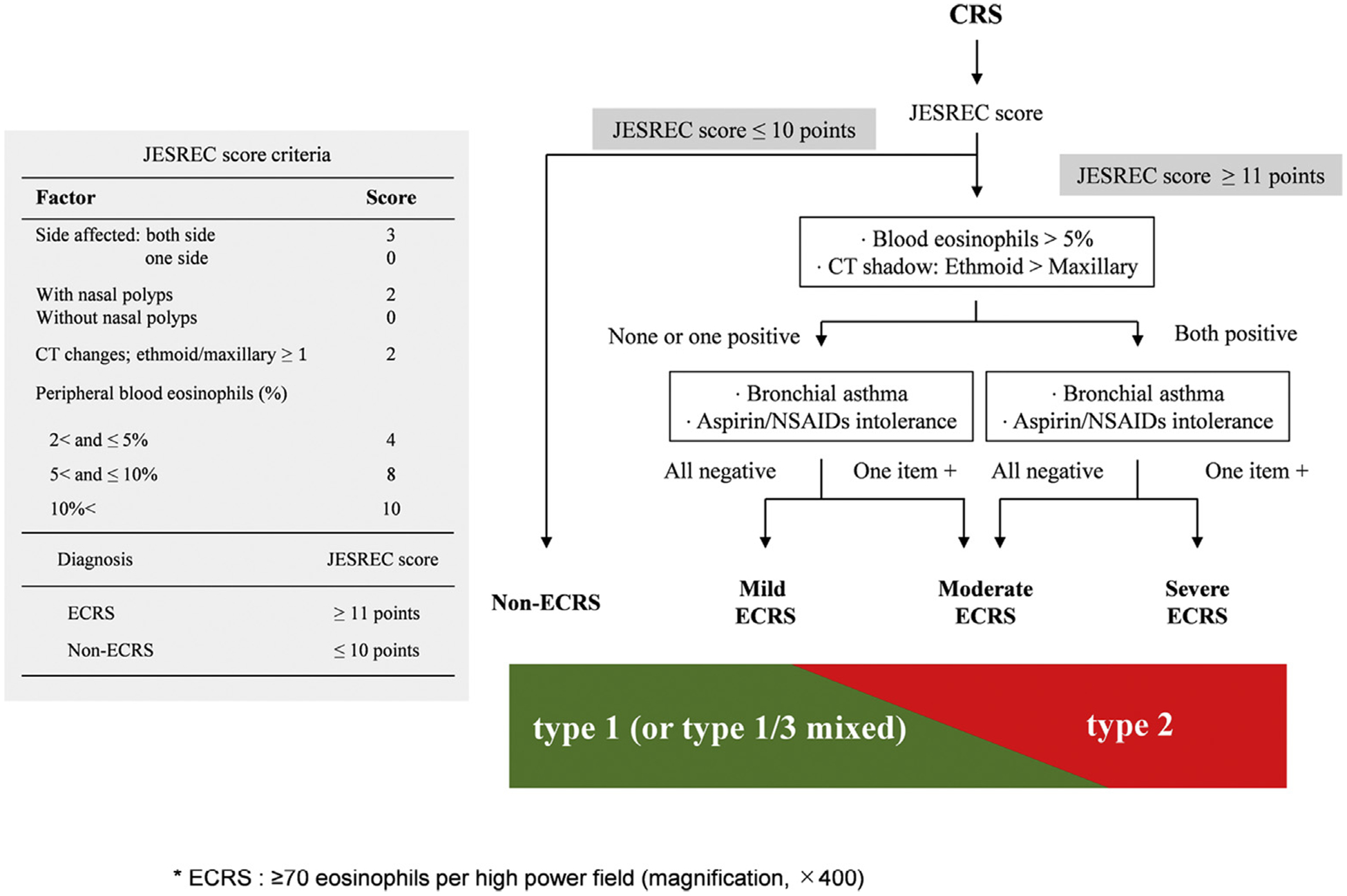
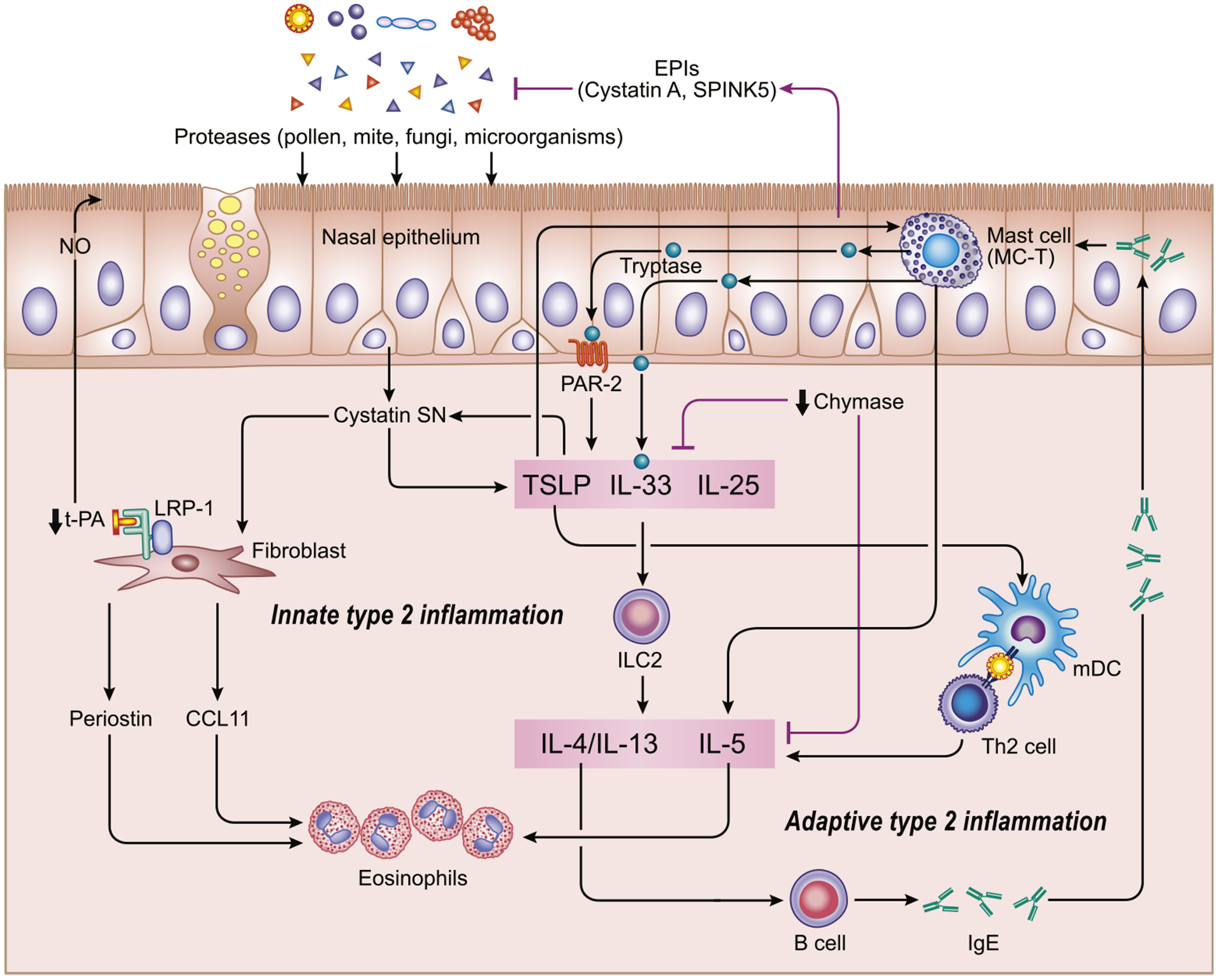
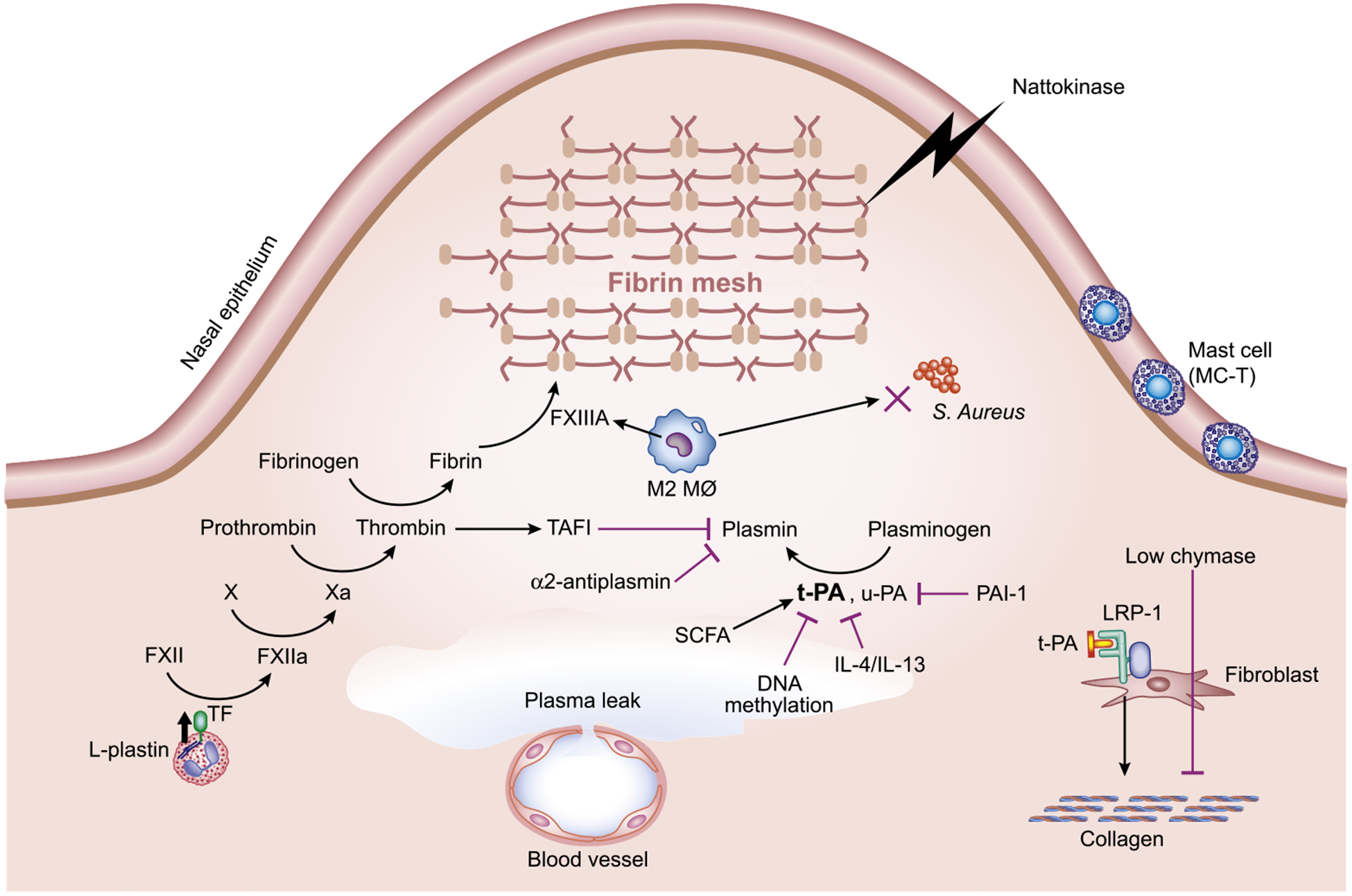
Chronic rhinosinusitis (CRS) is one of the most common chronic diseases worldwide. It is a heterogeneous disease, and geographical or ethnic differences in inflammatory pattern in nasal mucosa are major issues. Tissue eosinophilia in CRS is highly associated with extensive sinus disease, recalcitrance, and a higher nasal polyp (NP) recurrence rate after surgery. The prevalence of eosinophilic CRS (ECRS) is increasing in Asian countries within the last 2 decades, and this trend appears to be occurring across the world. International consensus criteria for ECRS are required for the accurate understanding of disease pathology and precision medicine. In a multicenter large-scale epidemiological survey, the "Japanese Epidemiological Survey of Refractory Eosinophilic Chronic Rhinosinusitis study," ECRS was definitively defined when the eosinophil count in nasal mucosa is greater than or equal to 70 eosinophils/hpf (magnification, ×400), and this study proposed an algorithm that classifies CRS into 4 groups according to disease severity. The main therapeutic goal with ECRS is to eliminate or diminish the bulk of NP tissue. NPs are unique abnormal lesions that grow from the lining of the nasal and paranasal sinuses, and type 2 inflammation plays a critical role in NP development in patients with ECRS. An imbalance between protease and endogenous protease inhibitors might play a pivotal role in the initiation and exacerbation of type 2 inflammation in ECRS. Intraepithelial mast cells in NPs, showing a tryptase+, chymase- phenotype, may also enhance type 2 inflammation. Intense edema and reduced fibrosis are important histological features of eosinophilic NPs. Mucosal edema mainly consists of exuded plasma protein, and excessive fibrin deposition would be expected to contribute to the retention of proteins from capillaries and thereby perpetuate mucosal edema that may play an etiological role in NPs. Upregulation of the coagulation cascade and downregulation of fibrinolysis strongly induce abnormal fibrin deposition in nasal mucosa, and type 2 inflammation plays a central role in the imbalance of coagulation and fibrinolysis.
Keywords: Chronic rhinosinusitis; coagulation cascade; fibrin; fibrinolysis; mast cell; nasal polyps; tissue plasminogen activator; tryptase.
Copyright © 2020 American Academy of Allergy, Asthma & Immunology. All rights reserved.
Figures
References
-
- Fokkens W, Desrosiers M, Harvey R, Hopkins C, Mullol J, Philpott C, et al. EPOS2020: development strategy and goals for the latest European Position Paper on Rhinosinusitis. Rhinology 2019;57:162–8. - PubMed
-
- Orlandi RR, Kingdom TT, Hwang PH, Smith TL, Alt JA, Baroody FM, et al. International Consensus Statement on Allergy and Rhinology: Rhinosinusitis. Int Forum Allergy Rhinol 2016;6:S22–209. - PubMed
-
- Bachert C, Zhang N, Hellings PW, Bousquet J. Endotype-driven care pathways in patients with chronic rhinosinusitis. J Allergy Clin Immunol 2018;141: 1543–51. - PubMed
-
- Okuda M [Differences in chronic rhinitis with reference to its incidence and type in Chiba and Vienna]. Monatsschr Ohrenheilkd Laryngorhinol 1969;103: 56–71. - PubMed
Publication types
MeSH terms
Substances
Grants and funding
LinkOut - more resources
Full Text Sources
Miscellaneous
