


Th17 Cells and IL-17 As Novel Immune Targets in Ovarian Cancer Therapy
- PMID: 32148497
- PMCID: PMC7054820
- DOI: 10.1155/2020/8797683
Th17 Cells and IL-17 As Novel Immune Targets in Ovarian Cancer Therapy
Abstract
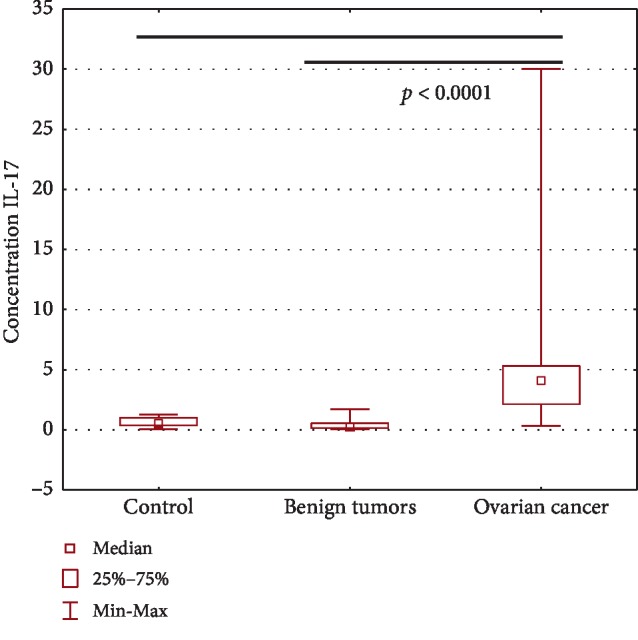
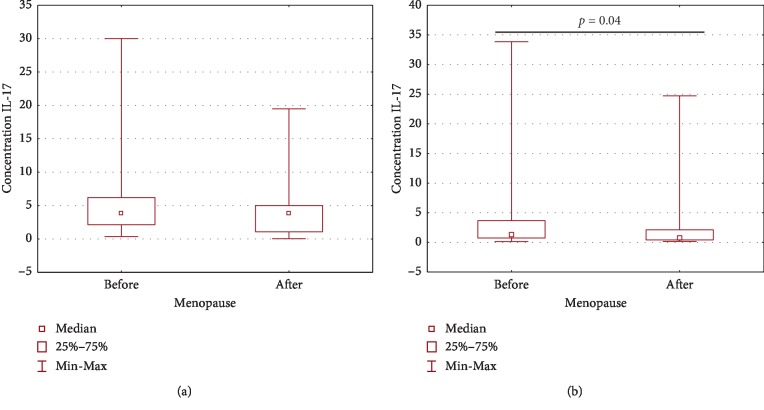
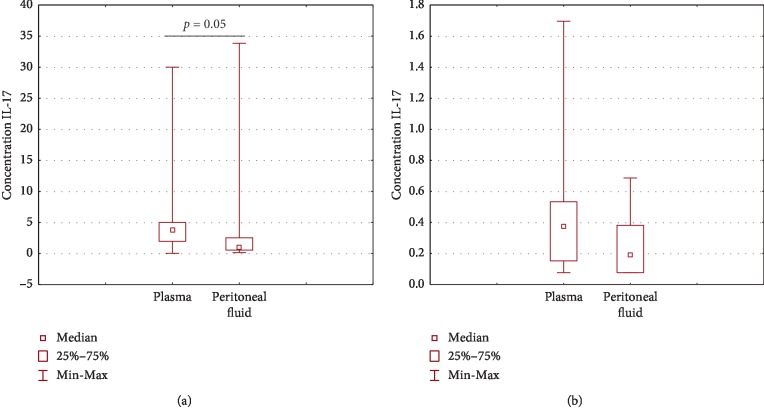
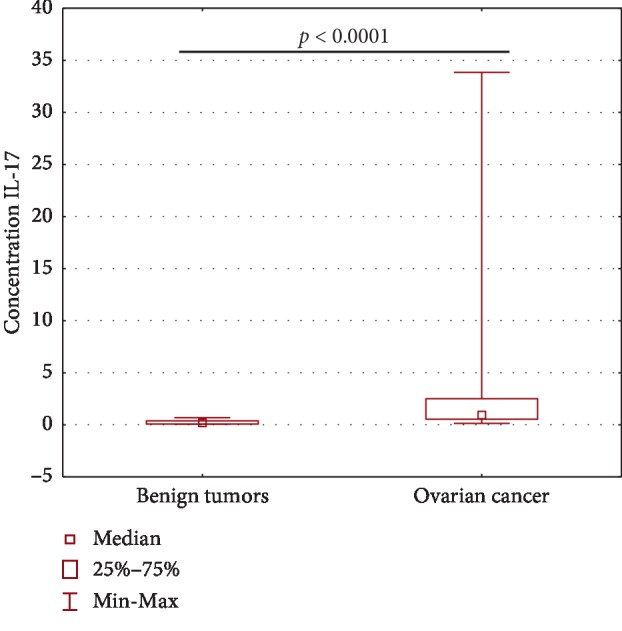
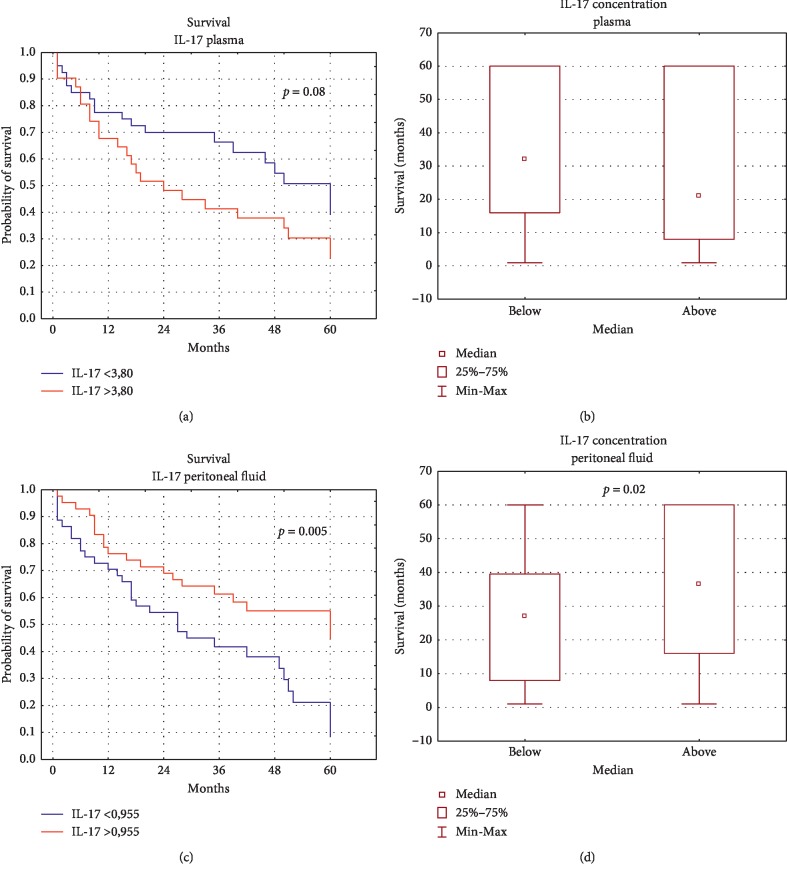
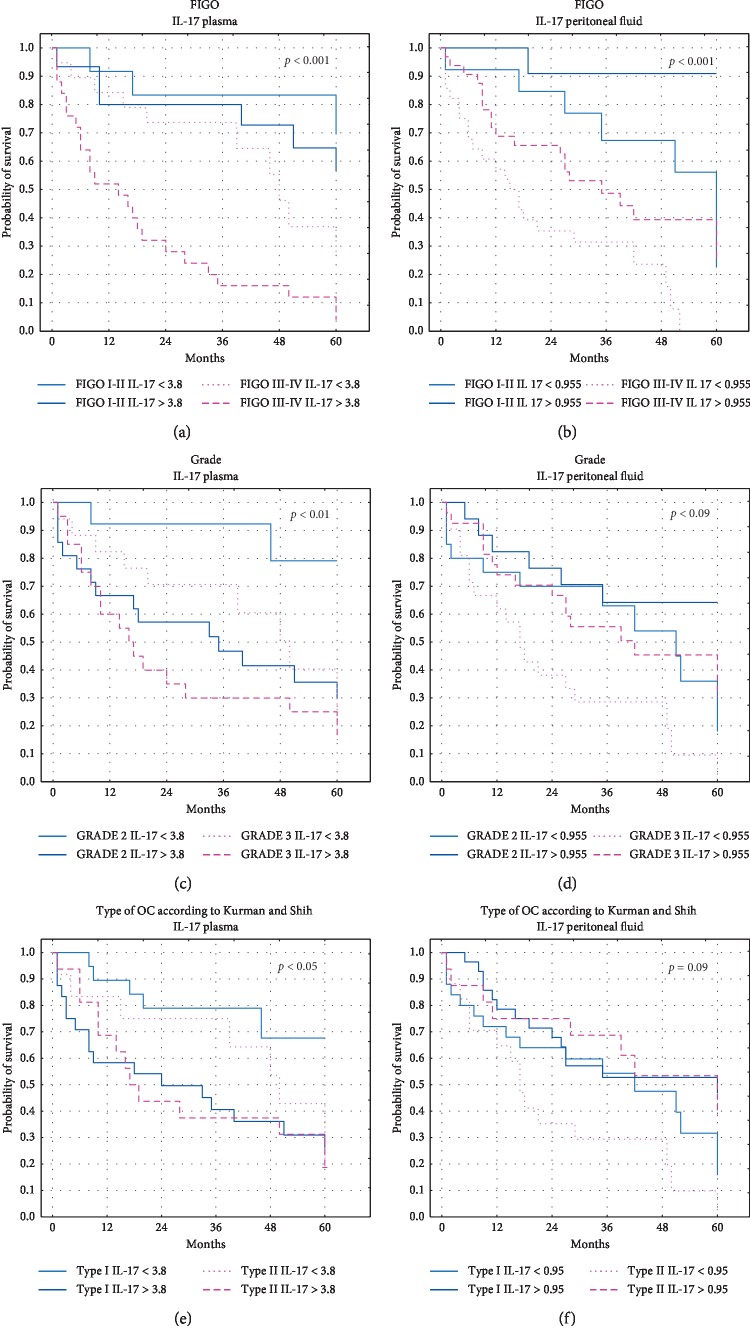
Ovarian cancer (OC) is usually diagnosed at an advanced stage and is related with poor prognosis. Despite numerous studies, the pathogenesis of OC is still unknown. Recent studies indicate the role of the immune system in the development and spread of OC. The identification of factors and mechanisms involved in that process and their modulation is crucial for creating effective antitumor therapy. We investigated the potential role of Th17 cells in OC patients (n = 71) by analyzing the frequencies of Th17 cells in three different environments, i.e., peripheral blood (PB), peritoneal fluid (PF), and tissue (Th17 infiltrating cells), and the concentration of IL-17A in plasma and PF of patients in terms of their clinical and prognostic significance. Th17 cells were analyzed by flow cytometry as a percentage of CD4+ lymphocytes that expressed intracellular expression of IL-17A. The level of IL-17A in plasma and PF were determined by ELISA. Our results showed accumulation of Th17 cells among tumor-infiltrating CD4+ lymphocytes (p < 0.001 in relation to PB). Moreover, the percentage of Th17 cells in both PB and PF of OC patients was significantly lower than that in benign tumors group (n = 35). There were no significant differences in the percentage of Th17 cells in PB, PF, and tissue in relation to clinicopathological characteristics of OC patients and survival. The lower percentage of Th17 cells in the PB and PF of OC patients may promote evasion of host immune response by cancer cells. The concentration of IL-17A in plasma of OC patients was higher (p < 0.0001) than that in both benign tumors and control group (n = 10). The PF IL-17A level in OC patients was higher (p < 0.0001) than that in women with benign ovarian tumors, indicating its synthesis in OC microenvironment. Higher IL-17A level in PF is correlated with longer (median: 36.5 vs. 27 months) survival of OC patients.
Copyright © 2020 Monika Bilska et al.
Conflict of interest statement
The authors declared no potential conflicts of interest with respect to the research, authorship, and/or publication of this article.
Figures
References
-
- Shishir T. A., Khan R. I., Nirzhor S. S. R. The critical role of tumor microenvironment in cancer evolution and metastasis. International Journal of Business Research. 2018;9(7):244–258.
LinkOut - more resources
Full Text Sources
Research Materials
