


Comparison of two forms of daily preventive zinc supplementation versus therapeutic zinc supplementation for diarrhea on young children's physical growth and risk of infection: study design and rationale for a randomized controlled trial
- PMID: 32153900
- PMCID: PMC7050875
- DOI: 10.1186/s40795-018-0247-6
Comparison of two forms of daily preventive zinc supplementation versus therapeutic zinc supplementation for diarrhea on young children's physical growth and risk of infection: study design and rationale for a randomized controlled trial
Abstract
Background: Zinc is an essential nutrient that is required for children's normal growth and resistance to infections, including diarrhea and pneumonia, two major causes of child mortality. Daily or weekly preventive zinc supplementation has been shown to improve growth and reduce the risk of infection, while therapeutic zinc supplementation for 10-14 days is recommended for the treatment of diarrhea. The overall objective of the present study is to compare several regimens for delivering zinc to young children, both for the prevention of zinc deficiency and the treatment of diarrhea.
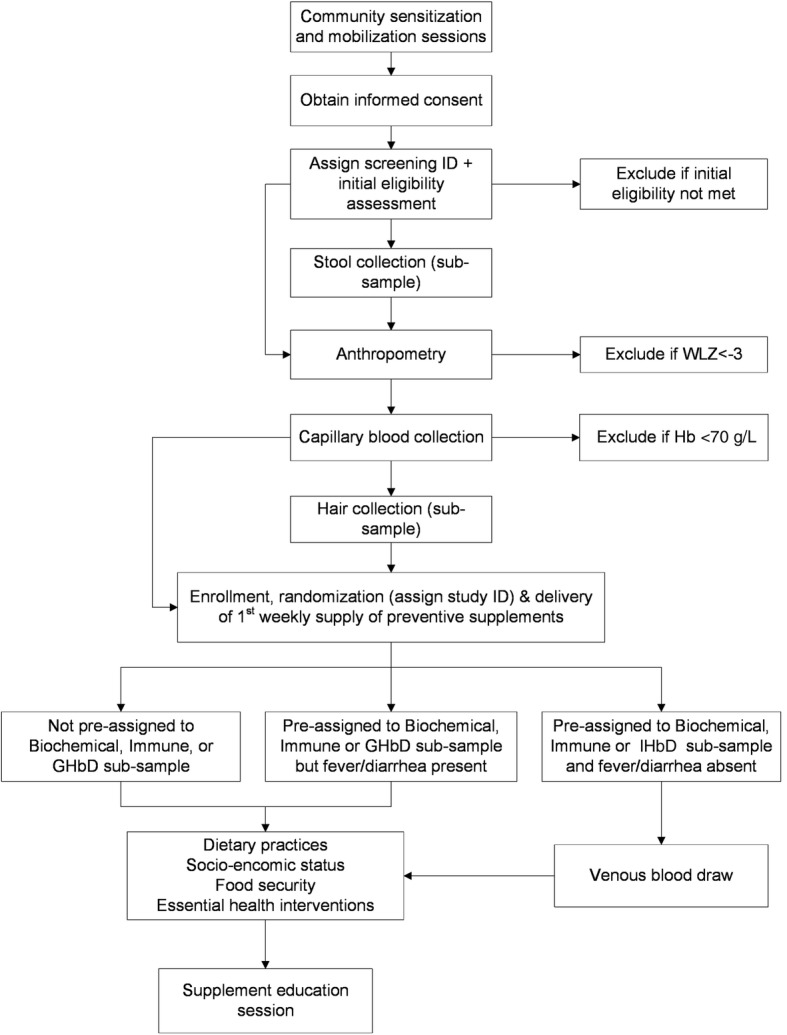
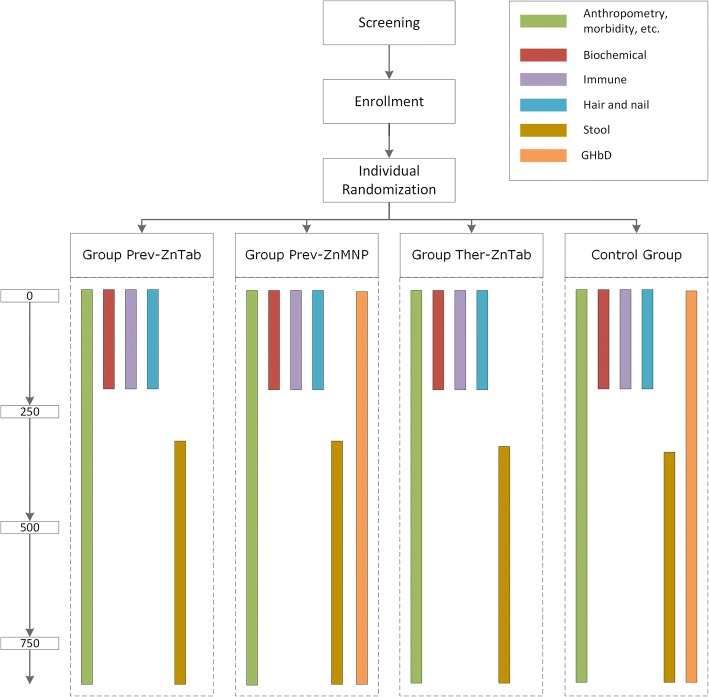
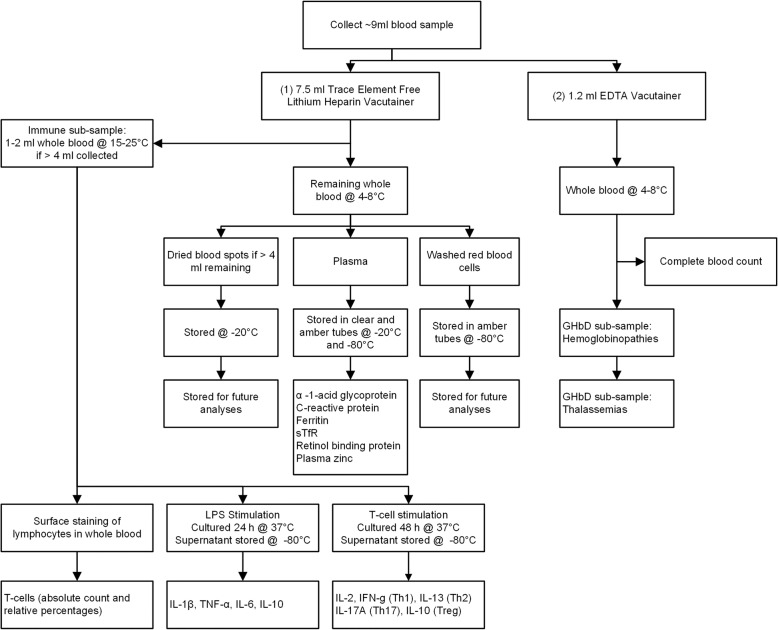
Methods: The present study is a community-based, randomized controlled trial in the Lao People's Democratic Republic (PDR). Three thousand, four hundred children 6-23 months of age will be randomized to one of four intervention groups (daily preventive zinc dispersible tablet, daily preventive multiple micronutrient powder, therapeutic zinc dispersible tablet for diarrhea, or placebo control); interventions will be delivered for 9 months and outcomes measured at pre-determined intervals. Primary outcomes include physical growth (length and weight), diarrhea incidence, hemoglobin and micronutrient status, and innate and adaptive immune function. Secondary outcomes include mid-upper-arm circumference, neuro-behavioral development, hair cortisol concentrations, markers of intestinal inflammation and parasite burden. Incidence of adverse events and the modifying effects of inherited hemoglobin disorders and iron status on the response to the intervention will also be examined. We will estimate unadjusted effects and effects adjusted for selected baseline covariates using ANCOVA.
Discussion: Many countries are now rolling out large-scale programs to include therapeutic zinc supplementation in the treatment of childhood diarrhea, but few have established programs demonstrated to be effective in the prevention of zinc deficiency. This study will address how best to deliver supplemental zinc to prevent zinc deficiency and reduce the severity of diarrhea-related health complications.
Trial registration: Trial registration identifier (NCT02428647) ; Date of registration: April 29, 2015.
Keywords: Diarrhea; Growth; Home-fortification; Micronutrient; Preventive; Supplementation; Therapeutic; Zinc.
© The Author(s). 2018.
Conflict of interest statement
Competing interestsKBH is an employee of Nutrition International, formerly the Micronutrient Initiative and GAR was an employee of the Mathile Institute for the Advancement of Human Nutrition at the time of the initial proposal writing. KHB works for the Bill & Melinda Gates Foundation, which provided part of the financial support. The spouse of SYH works for the Bill & Melinda Gates Foundation. KRW, SK, MAB, GMH, SS, KR, CBS, CPL, CDA, GL, SF and RMB declare that they have no competing interests.
Figures
References
-
- Mayo-Wilson E, Junior JA, Imdad A, et al. Zinc supplementation for preventing mortality, morbidity, and growth failure in children aged 6 months to 12 years of age. Cochrane Database Syst Rev. 2014:CD009384. - PubMed
Associated data
LinkOut - more resources
Full Text Sources
Medical
Miscellaneous