


Antihypercholesterolemic and antiatherosclerotic potencies of Pandanus tectorius fruits via increasing scavenger receptor-B1 genes expression and inhibition of 3-hydroxy-3-methylglutaryl coenzyme A reductase activity
- PMID: 32154156
- PMCID: PMC7034180
- DOI: 10.4103/japtr.JAPTR_164_19
Antihypercholesterolemic and antiatherosclerotic potencies of Pandanus tectorius fruits via increasing scavenger receptor-B1 genes expression and inhibition of 3-hydroxy-3-methylglutaryl coenzyme A reductase activity
Abstract
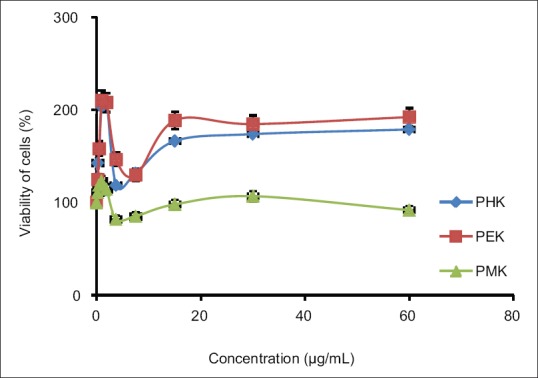
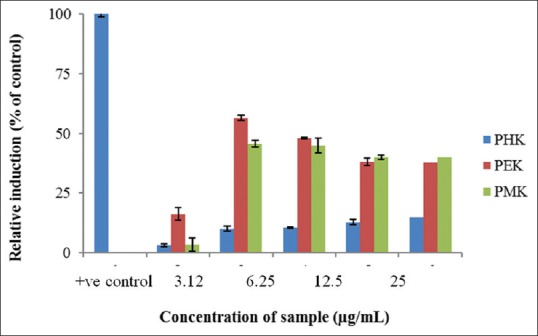
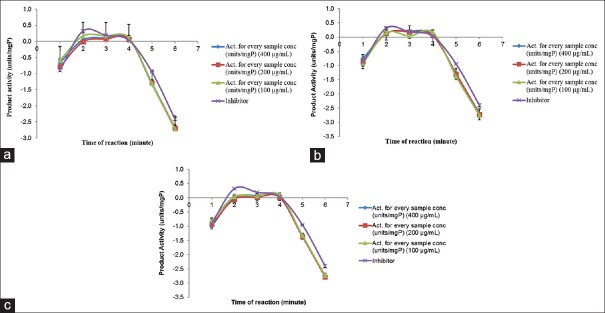
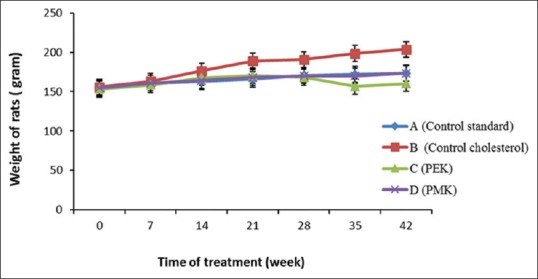
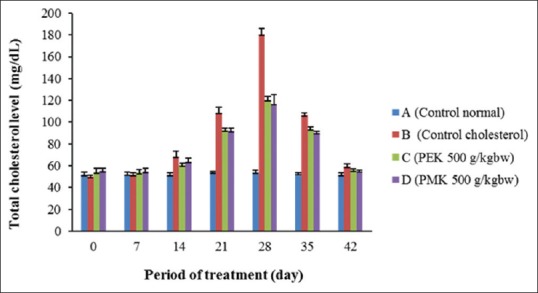
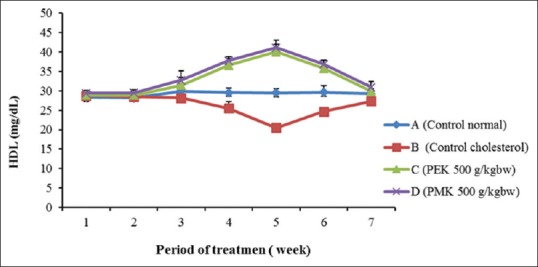
Atherosclerosis is a leading cause of death worldwide. The adverse side effects of currently available drugs urge to find more effective and safe remedial agents. Alternative candidates from natural resources are of great consequence in the emerging of new drugs. Pandanus tectorius (Pandanaceae) was traditionally used in Ayurvedic medicine to cure certain diseases. Thus, the current study conducted to elucidate the potency of P. tectorius fruit as antiatherosclerosis and antihypercholesterolemia agents through the regulation of high density lipoprotein (HDL) receptor (scavenger receptor [SR]-B1) gene expression and 3-hydroxy-3-methylglutaryl coenzyme A reductase reductase (HMGCR) in vitro, respectively. The P. tectorius fruit was noncytotoxic against the HepG2 cell line confirmed by 3-(4,5-dimethylthiazol-2-yl) 2,5-diphenyl tetrazolium bromide assay. The P. tectorius fruit successfully upregulates the SR-B1 gene expression and downregulate the HMGCR. Moreover, an in vivo study showed that P. tectorius has good activity on the upregulation of HDL and subsequently downregulation of total cholesterol level. Moreover, P. tectorius fruit did not show any increase in toxicity biomarkers serum glutamic oxaloacetic transaminase and serum glutamate pyruvate transaminase in vivo. These results found that P. tectorius fruits have potency as the preventive agent for hypercholesterolemia and atherosclerosis via SR-B1 and HMGCR mechanisms of action.
Keywords: 3-hydroxy-3-methylglutaryl coenzyme A reductase; Pandanus tectorius; antiatherosclerosis; antihypercholesterolemia; scavenger receptor-B1.
Copyright: © 2020 Journal of Advanced Pharmaceutical Technology & Research.
Conflict of interest statement
There are no conflicts of interest.
Figures
References
-
- Navab M, Berliner JA, Watson AD, Hama SY, Territo MC, Lusis AJ, et al. The yin and yang of oxidation in the development of the fatty streak. A review based on the 1994 George Lyman duff memorial lecture. Arterioscler Thromb Vasc Biol. 1996;16:831–42. - PubMed
-
- Keaney JF., Jr Atherosclerosis: From lesion formation to plaque activation and endothelial dysfunction. Mol Aspects Med. 2000;21:99–166. - PubMed
-
- Wald NJ, Law MR. Serum cholesterol and ischaemic heart disease. Atherosclerosis. 1995;118(Suppl):S1–5. - PubMed
-
- Kressel G, Trunz B, Bub A, Hülsmann O, Wolters M, Lichtinghagen R, et al. Systemic and vascular markers of inflammation in relation to metabolic syndrome and insulin resistance in adults with elevated atherosclerosis risk. Atherosclerosis. 2009;202:263–71. - PubMed
LinkOut - more resources
Full Text Sources
Research Materials