


What If My Dad Finds Out!?: Assessing Adolescent Men Who Have Sex with Men's Perceptions About Parents as Barriers to PrEP Uptake
- PMID: 32157491
- PMCID: PMC7462124
- DOI: 10.1007/s10461-020-02827-z
What If My Dad Finds Out!?: Assessing Adolescent Men Who Have Sex with Men's Perceptions About Parents as Barriers to PrEP Uptake
Abstract
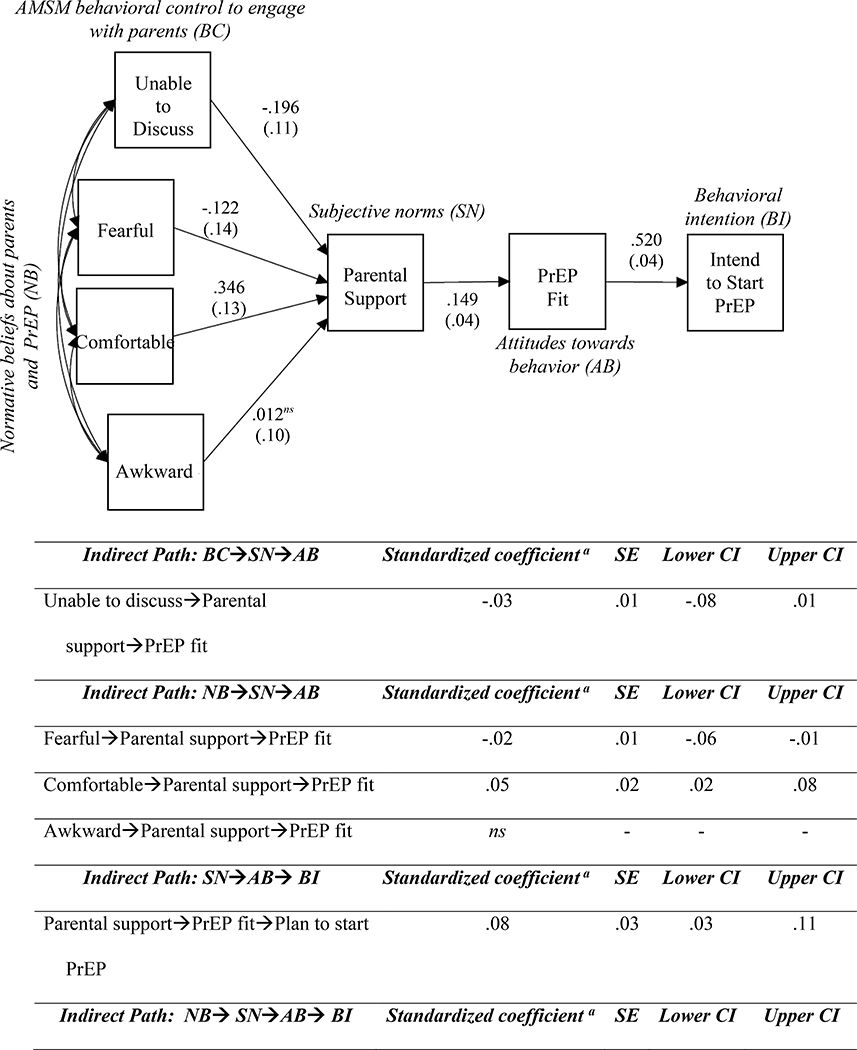
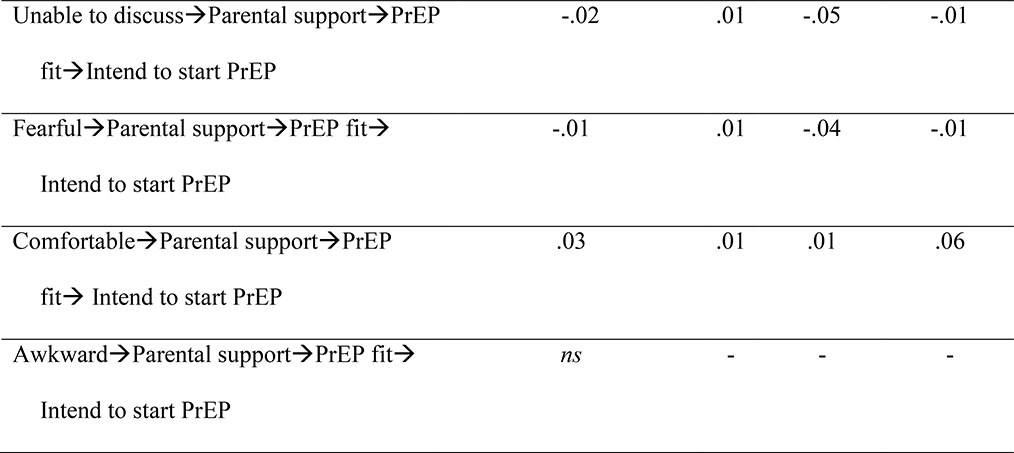
Pre-exposure prophylaxis (PrEP) is an effective HIV prevention strategy for high-risk adults and recently was given US FDA approval for use among adolescents. Yet, the barriers to medication uptake for this population are unique when compared to adult populations, as parents may be just as likely as prescribers to be gatekeepers to access. To better understand the role of parents in adolescents' attitudes towards PrEP, we surveyed 491 adolescent men who have sex with men (AMSM) ages 13-18, using forced choice and open-ended response questions. We measured perceived parent-PrEP supportiveness, hypothetical parent reactions to a request to initiate PrEP, and perceived positive and negative aspects of taking PrEP without parents knowing. A mixed-methods approach was employed. Results indicated a majority of AMSM had heard of PrEP and most reported their parents would be unsupportive of their taking PrEP. Teens perceived their parents would likely be angry, accusatory, and punitive if PrEP use was discovered, and that accessing PrEP independent of parents might increase their health autonomy, agency, and prevent awkward conversations about sex. Furthermore, a path model revealed that fears of parental reaction and poor self-efficacy to communicate with parents about PrEP significantly contributed to participants feeling PrEP was not "right" for them, and as a corollary, less interest in starting PrEP. The study suggests that improving parental knowledge of PrEP and encouraging parents to begin the conversation about PrEP could help increase uptake in AMSM.
El Profilaxis de preexposición (PrEP) ha sido aprobado por la US FDA como una estrategia efectiva para la prevención del VIH en adolescentes. Las barreras de esta población para el uso de PrEP son únicas, ya que padres y proveedores pueden controlar su acceso. Para entender mejor la influencia que tienen los padres en las actitudes de los adolescentes hacia PrEP, se llevó a cabo una encuesta con 491 adolescentes (–18) que tienen sexo con otros hombres. Medimos la percepción de apoyo parental hacia el uso PrEP, reacciones hipotéticas de los padres al enterarse de su uso y aspectos positivo y negativos de tomar PrEP sin el conocimiento de los padres. La mayoría de los adolescentes indicó haber escuchado de PrEP y que sus padres no los apoyarían si quisieran tomarlo. Los participantes reportaron que sus padres reaccionarían con coraje, acusaciones y castigos al enterarse del uso de PrEP. También reportaron que acceder a PrEP sin sus padres podría aumentar su autonomía, su agencia y prevenir conversaciones incómodas acerca del sexo. Un análisis de ruta reveló que el miedo a la reacción de sus padres y poca auto-eficacia para comunicarse con sus padres acerca de PrEP, contribuyen significativamente a que los participantes sientan que PrEP no es adecuado para ellos y tengan menos interés en comenzar a tomar PrEP. Nuestro estudio sugiere que mejorar el conocimiento de los padres acerca de PrEP y fomentar la comunicación entre padres y adolescentes acerca del mismo puede aumentar el consumo de PrEP en adolescentes que tienen sexo con otros hombres.
Keywords: Adolescents; Family communication; HIV prevention; Parents; PrEP.
Conflict of interest statement
Conflict of Interest
All authors declare that they have no conflicts of interests.
Figures
References
-
- Centers for Disease Control and Prevention. HIV Surveillance Report, 2017 2018 [updated November 2018. Available from: https://www.cdc.gov/hiv/pdf/library/reports/surveillance/cdc-hiv-surveil....
-
- Shannon CL, Keizur EM, Fehrenbacher A, Wood-Palmer D, Ramos W, Koussa M, et al. Sexually Transmitted Infection Positivity Among Adolescents With or at High-Risk for Human Immunodeficiency Virus Infection in Los Angeles and New Orleans. Sexually transmitted diseases. 2019;46(11):737–42. - PMC - PubMed
MeSH terms
Substances
Grants and funding
LinkOut - more resources
Full Text Sources
Medical
Miscellaneous
