


A Genome-wide ER-phagy Screen Highlights Key Roles of Mitochondrial Metabolism and ER-Resident UFMylation
- PMID: 32160526
- PMCID: PMC7197389
- DOI: 10.1016/j.cell.2020.02.017
A Genome-wide ER-phagy Screen Highlights Key Roles of Mitochondrial Metabolism and ER-Resident UFMylation
Abstract
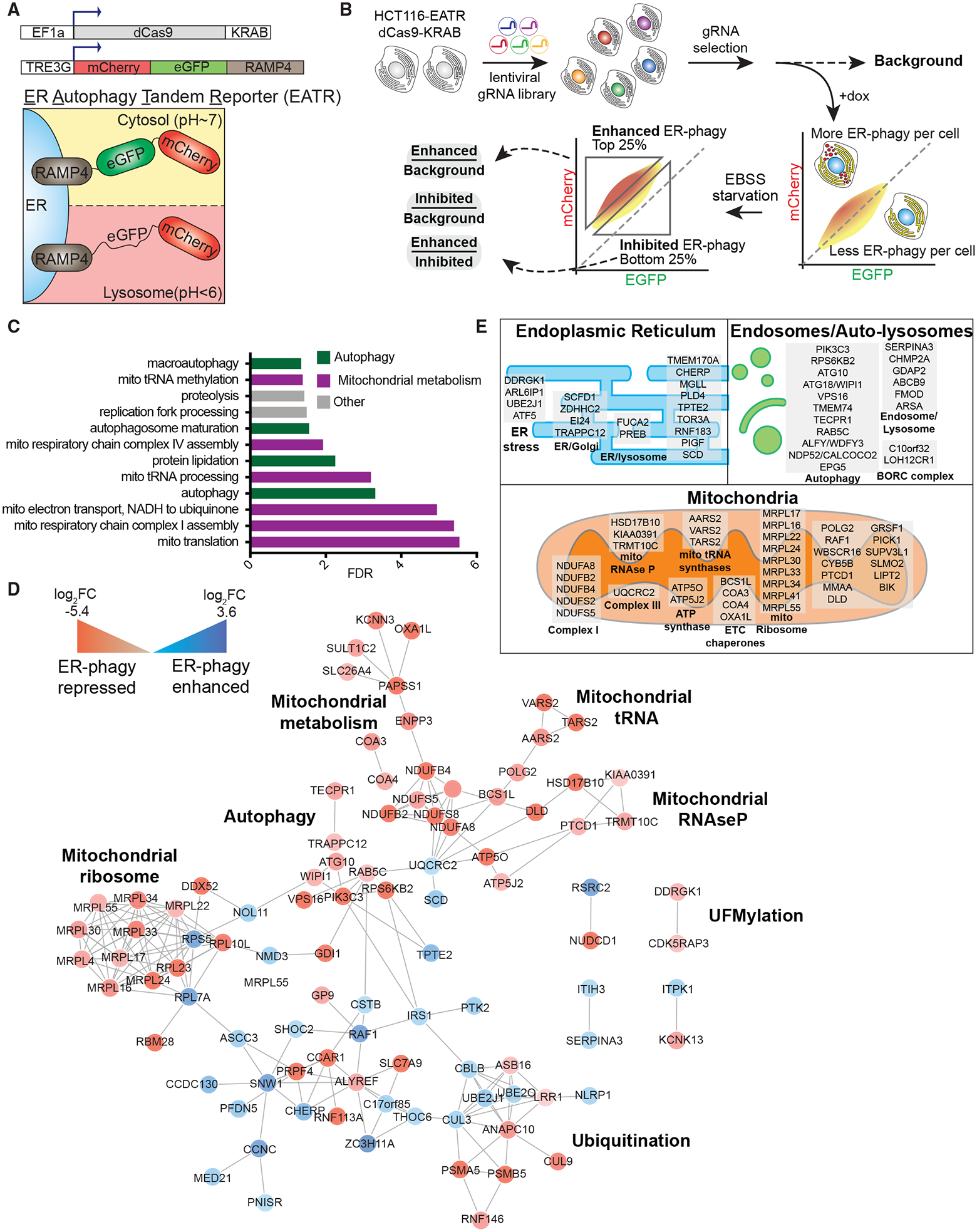
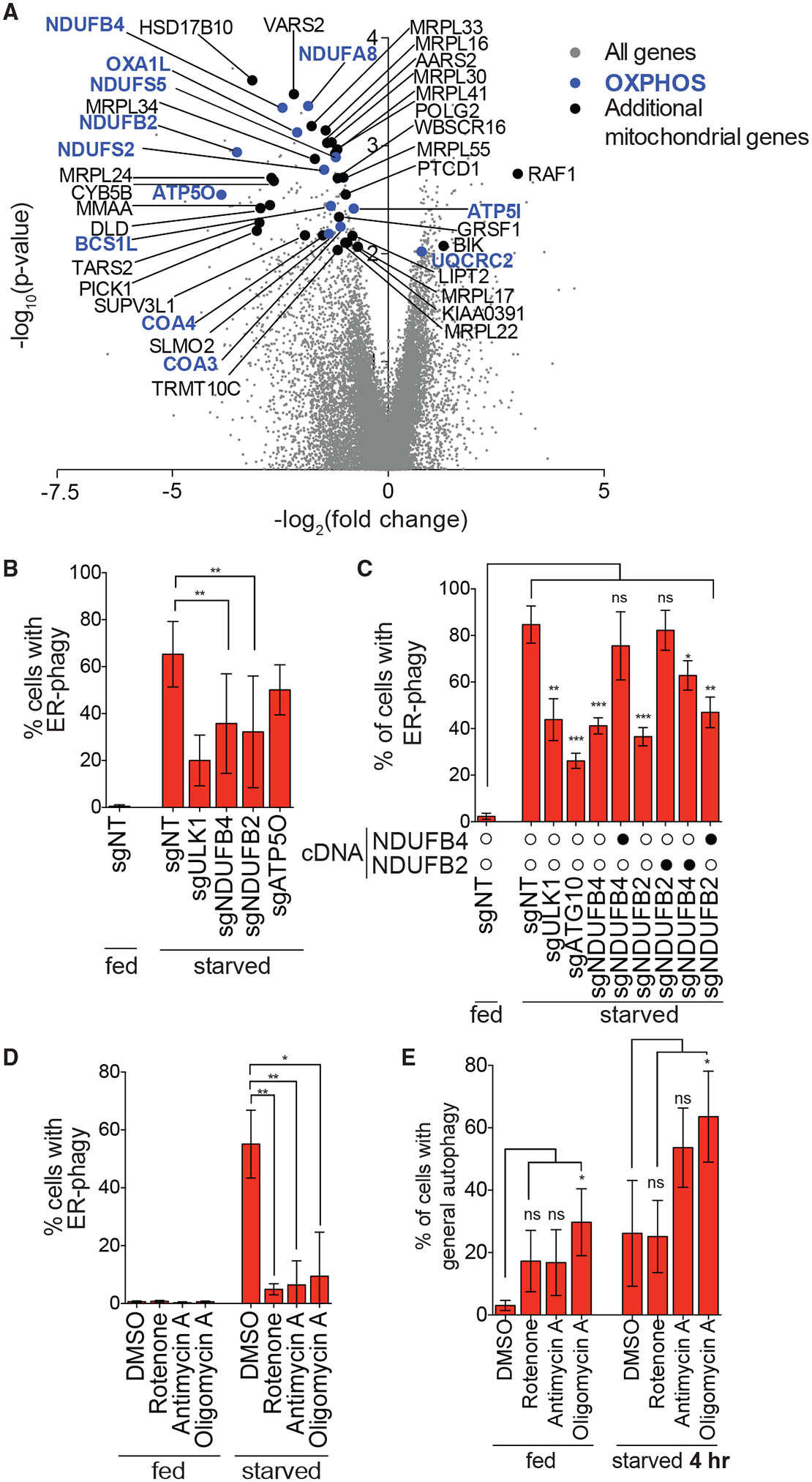
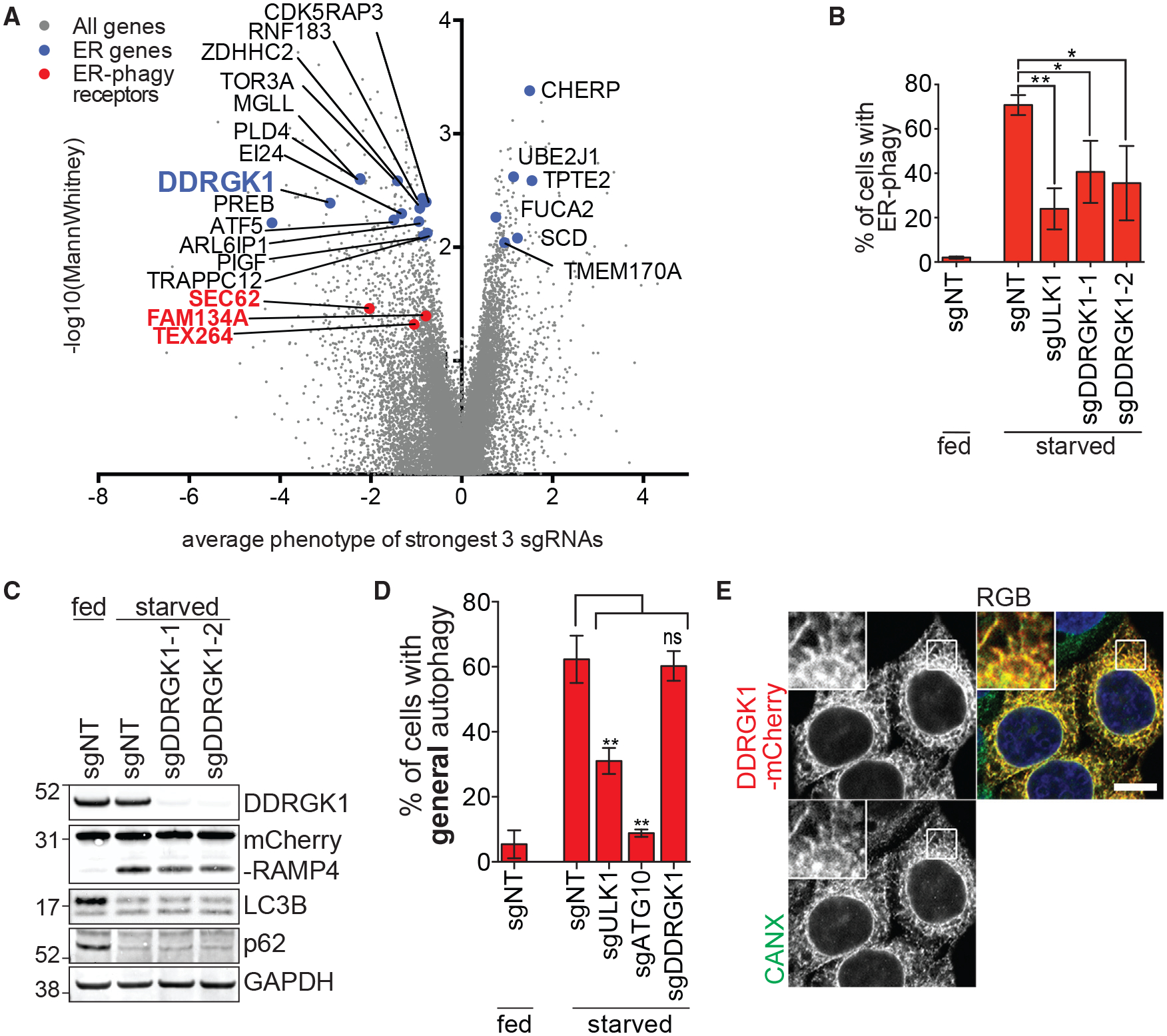
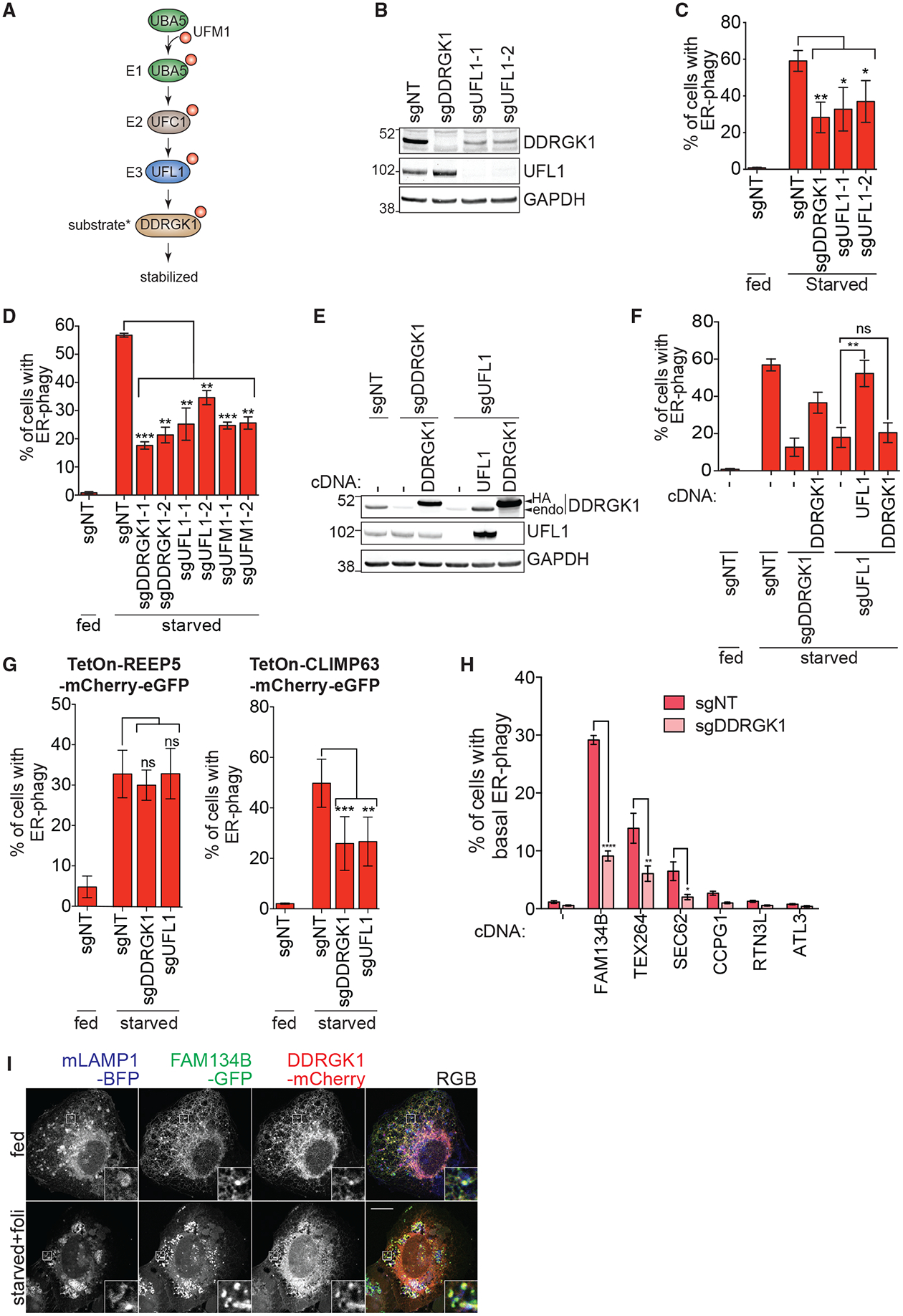
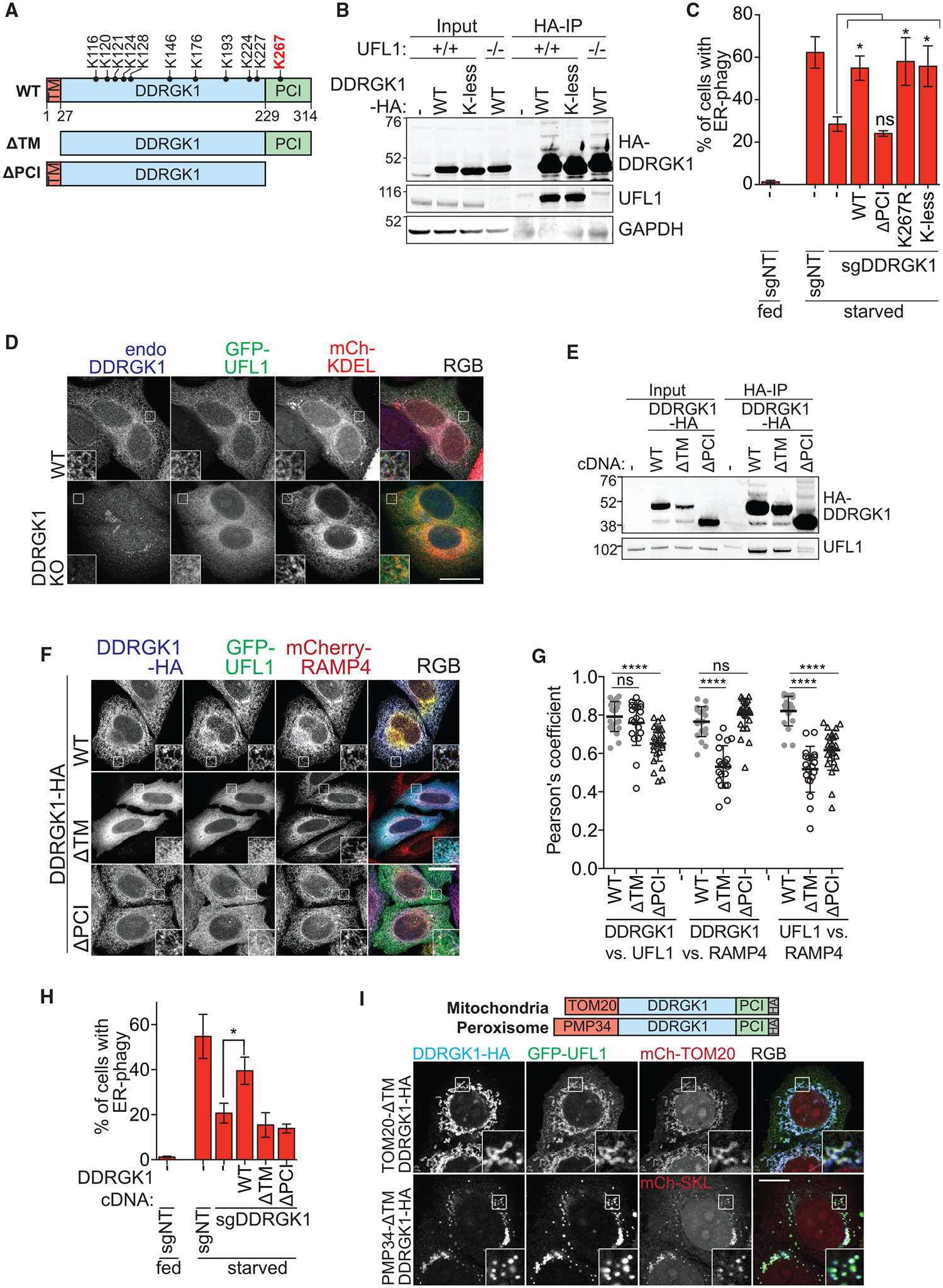
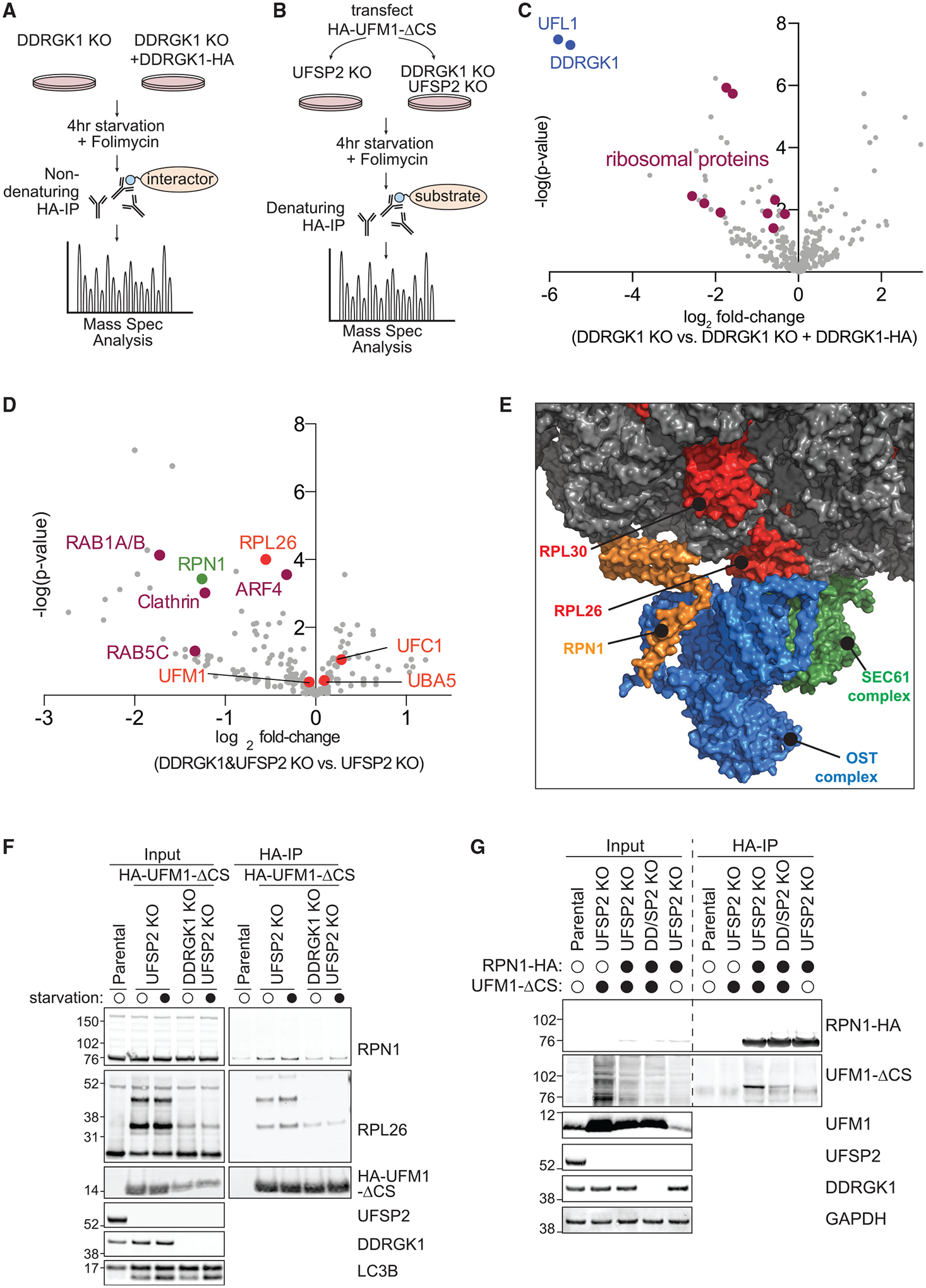
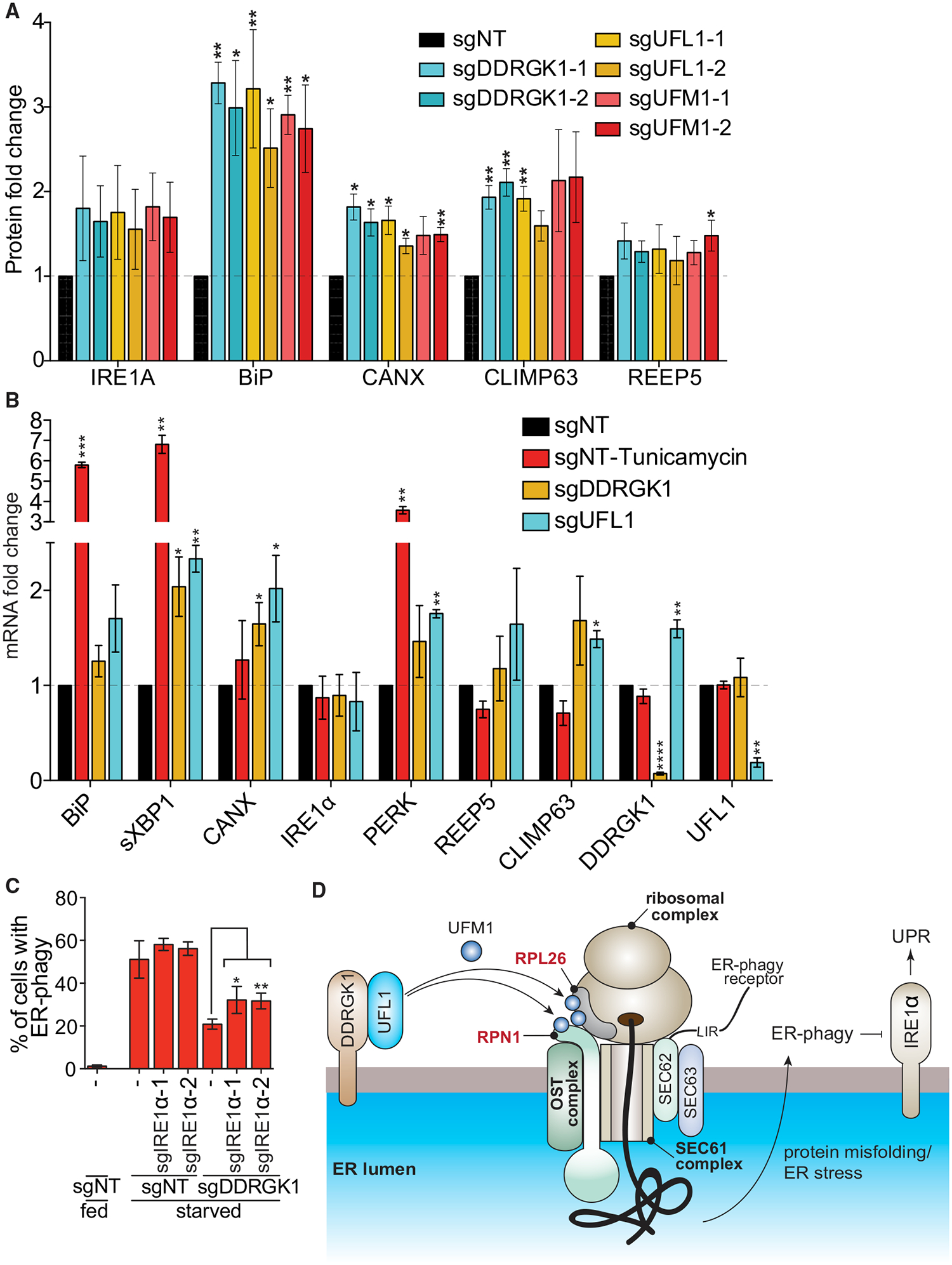
Selective autophagy of organelles is critical for cellular differentiation, homeostasis, and organismal health. Autophagy of the ER (ER-phagy) is implicated in human neuropathy but is poorly understood beyond a few autophagosomal receptors and remodelers. By using an ER-phagy reporter and genome-wide CRISPRi screening, we identified 200 high-confidence human ER-phagy factors. Two pathways were unexpectedly required for ER-phagy. First, reduced mitochondrial metabolism represses ER-phagy, which is opposite of general autophagy and is independent of AMPK. Second, ER-localized UFMylation is required for ER-phagy to repress the unfolded protein response via IRE1α. The UFL1 ligase is brought to the ER surface by DDRGK1 to UFMylate RPN1 and RPL26 and preferentially targets ER sheets for degradation, analogous to PINK1-Parkin regulation during mitophagy. Our data provide insight into the cellular logic of ER-phagy, reveal parallels between organelle autophagies, and provide an entry point to the relatively unexplored process of degrading the ER network.
Keywords: CRISPR; ER-phagy; UFMylation; autophagy; endoplasmic reticulum; genome-wide screen; organelle turnover; oxidative phosphorylation; post-translational modification.
Copyright © 2020 Elsevier Inc. All rights reserved.
Conflict of interest statement
Declaration of Interests The authors declare no competing interests.
Figures
Comment in
-
Foundations of ER-phagy regulation.Nat Rev Mol Cell Biol. 2020 May;21(5):251. doi: 10.1038/s41580-020-0238-8. Nat Rev Mol Cell Biol. 2020. PMID: 32203271 No abstract available.
-
ER-phagy: Eating the Factory.Mol Cell. 2020 Jun 4;78(5):811-813. doi: 10.1016/j.molcel.2020.05.002. Mol Cell. 2020. PMID: 32502421
References
-
- Abel A, Fonknechten N, Hofer A, Dürr A, Cruaud C, Voit T, Weissen-bach J, Brice A, Klimpe S, Auburger G, and Hazan J (2004). Early onset autosomal dominant spastic paraplegia caused by novel mutations in SPG3A. Neurogenetics 5, 239–243. - PubMed
Publication types
MeSH terms
Substances
Grants and funding
LinkOut - more resources
Full Text Sources
Other Literature Sources
Molecular Biology Databases
Research Materials
Miscellaneous
