


Rodents as Hosts of Pathogens and Related Zoonotic Disease Risk
- PMID: 32164206
- PMCID: PMC7157691
- DOI: 10.3390/pathogens9030202
Rodents as Hosts of Pathogens and Related Zoonotic Disease Risk
Abstract
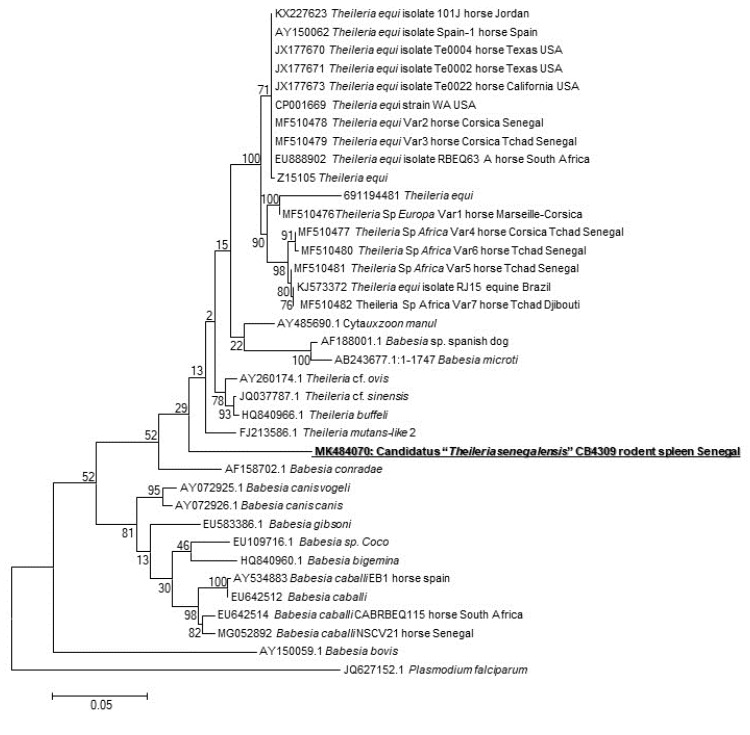
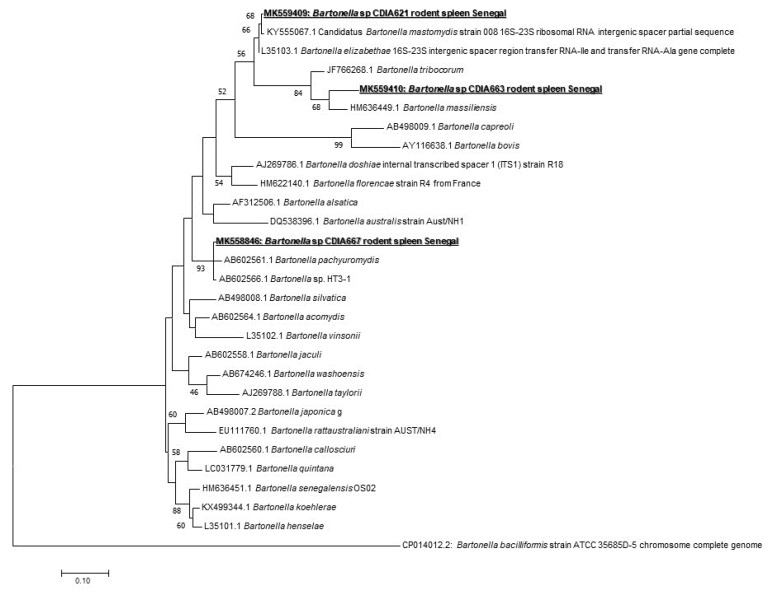
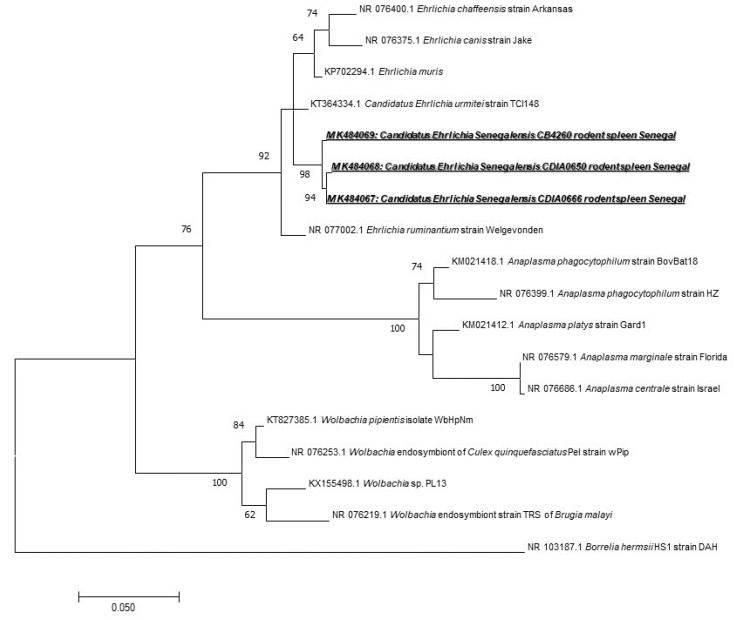
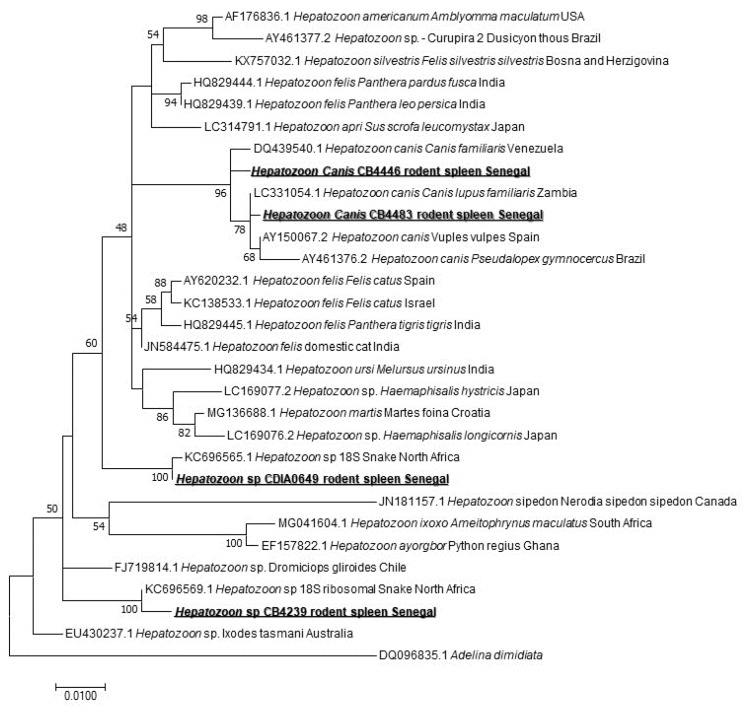
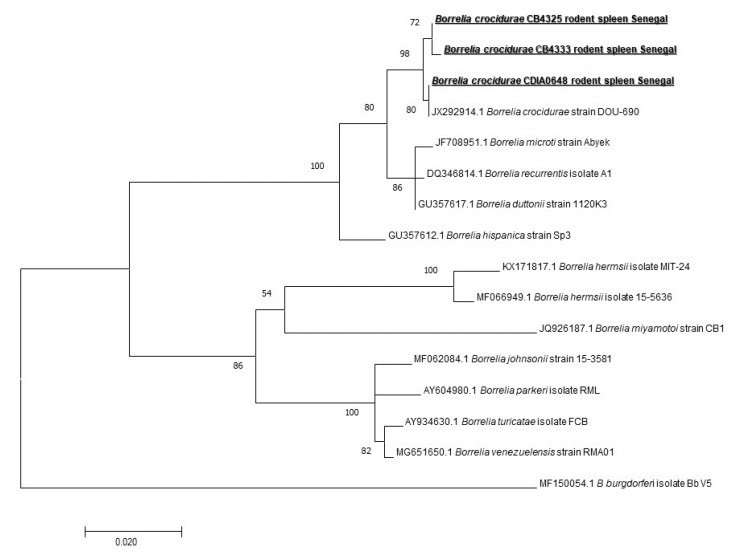
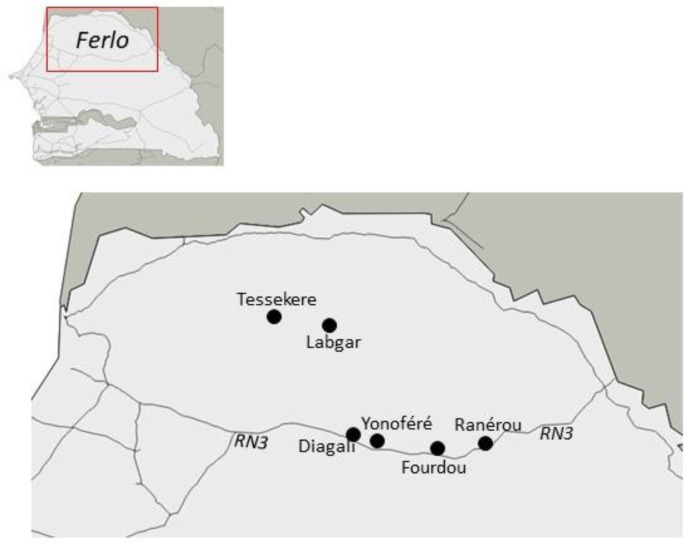
Rodents are known to be reservoir hosts for at least 60 zoonotic diseases and are known to play an important role in their transmission and spread in different ways. We sampled different rodent communities within and around human settlements in Northern Senegal, an area subjected to major environmental transformations associated with global changes. Herein, we conducted an epidemiological study on their bacterial communities. One hundred and seventy-one (171) invasive and native rodents were captured, 50 from outdoor trapping sites and 121 rodents from indoor habitats, consisting of five species. The DNA of thirteen pathogens was successfully screened on the rodents' spleens. We found: 2.3% of spleens positive to Piroplasmida and amplified one which gave a potentially new species Candidatus "Theileria senegalensis"; 9.35% of Bartonella spp. and amplified 10, giving three genotypes; 3.5% of filariasis species; 18.12% of Anaplasmataceae species and amplified only 5, giving a new potential species Candidatus "Ehrlichia senegalensis"; 2.33% of Hepatozoon spp.; 3.5% of Kinetoplastidae spp.; and 15.2% of Borrelia spp. and amplified 8 belonging all to Borrelia crocidurae. Some of the species of pathogens carried by the rodents of our studied area may be unknown because most of those we have identified are new species. In one bacterial taxon, Anaplasma, a positive correlation between host body mass and infection was found. Overall, male and invasive rodents appeared less infected than female and native ones, respectively.
Keywords: Anaplasmataceae; Bartonella; Borrelia crocidurae; Hepatozoon; Piroplasmida; pathogens host; rodents; zoonotic disease.
Conflict of interest statement
The authors declare no conflict of interest. The funders had no role in study design, data collection, and analysis, decision to publish, or preparation of the manuscript.
Figures
References
-
- Capizzi D., Bertolino S., Mortelliti A. Rating the rat: Global patterns and research priorities in impacts and management of rodent pests. Mamm. Rev. 2014;44:148–162. doi: 10.1111/mam.12019. - DOI
-
- Dalecky A., Bâ K., Piry S., Lippens C., Diagne C.A., Kane M., Sow A., Diallo M., Niang Y., Konečný A., et al. Range expansion of the invasive house mouse Mus musculus domesticus in Senegal, West Africa: A synthesis of trapping data over three decades, 1983–2014. Mamm. Rev. 2015;45:176–190. doi: 10.1111/mam.12043. - DOI
-
- Dobigny G., Garba M., Tatard C., Loiseau A., Galan M., Kadaouré I., Rossi J.-P., Picardeau M., Bertherat E. Urban Market Gardening and Rodent-Borne Pathogenic Leptospira in Arid Zones: A Case Study in Niamey, Niger. PLoS Negl. Trop. Dis. 2015;9:e0004097. doi: 10.1371/journal.pntd.0004097. - DOI - PMC - PubMed
Grants and funding
LinkOut - more resources
Full Text Sources
Miscellaneous
