


Infection control in ERCP using a duodenoscope with a disposable cap (ICECAP): rationale for and design of a randomized controlled trial
- PMID: 32164535
- PMCID: PMC7066768
- DOI: 10.1186/s12876-020-01200-7
Infection control in ERCP using a duodenoscope with a disposable cap (ICECAP): rationale for and design of a randomized controlled trial
Abstract
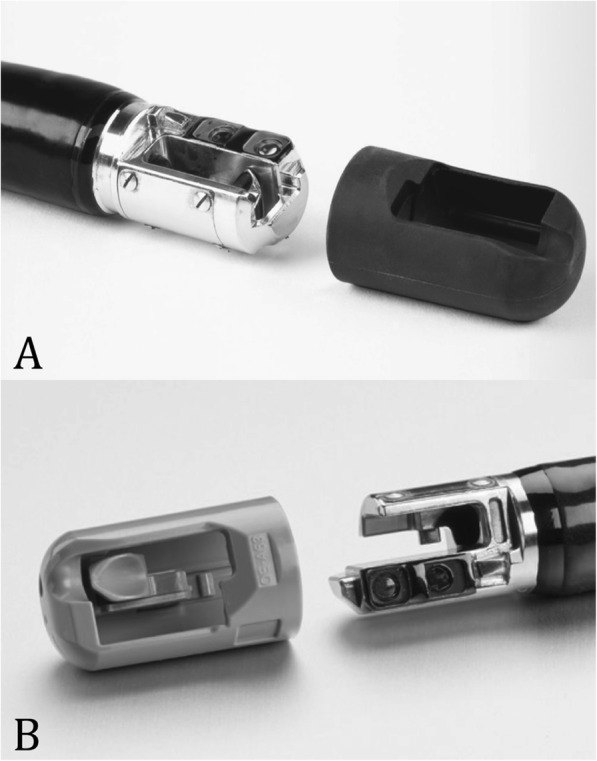
Background: Endoscopic retrograde cholangio-pancreatography (ERCP) is commonly performed in the management of pancreatic and biliary disease. Duodenoscopes are specialized endoscopes used to perform ERCP, and inherent to their design, a high rate of persistent bacterial contamination exists even after automated reprocessing and disinfection. Consequently, in recent years, ERCP has been associated with infection transmission, leading to several fatal patient outbreaks. Due to increasing fears over widespread future duodenoscope-related outbreaks, regulatory bodies have called for alterations in the design of duodenoscopes. A duodenoscope has recently been developed that employs a disposable cap. This novel design theoretically eliminates the mechanism behind persistent bacterial contamination and infection transmission. However, there are no data demonstrating persistent bacterial contamination rates, technical success rates, or clinical outcomes associated with these duodenoscopes.
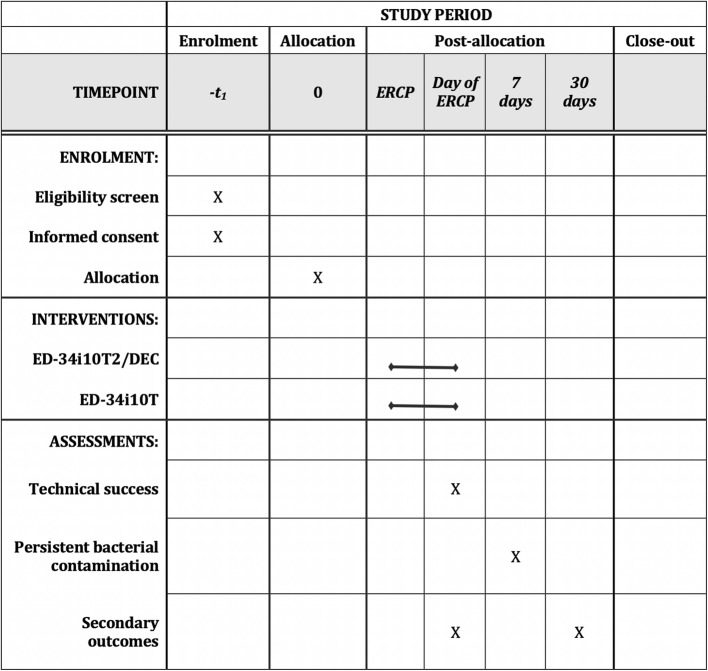
Methods: A parallel arm randomized controlled trial will be performed for which 520 patients will be recruited. The study population will consist of consecutive patients undergoing ERCP procedures for any indication at a high-volume tertiary care centre in Calgary, Alberta, Canada. Patients will be randomized to an intervention group, that will undergo ERCP with a novel duodenoscope with disposable cap, or to a control group who will undergo ERCP with a traditional duodenoscope. Co-primary outcomes will include persistent bacterial contamination rates (post automated reprocessing) and ERCP technical success rates. Secondary outcomes include clinical success rates, overall and specific early and late adverse event rates, 30-day mortality and healthcare utilization rates, procedure and reprocessing times, and ease of device use.
Discussion: The ICECAP trial will answer important questions regarding the use of a novel duodenoscope with disposable cap. Specifically, persistent bacterial contamination, technical performance, and relevant clinical outcomes will be assessed. Given the mortality and morbidity burden associated with ERCP-related infectious outbreaks, the results of this study have the capacity to be impactful at an international level.
Trial registration: This trial was registered on clinicaltrials.gov (NCT04040504) on July 31, 2019.
Keywords: Duodenoscopes; ERCP; Infection control; Sepsis.
Conflict of interest statement
Nauzer Forbes has received speaker’s honoraria and research funding from Pentax Canada. No funding was received to support this study.
Figures
References
-
- Anderson MA, Appalaneni V, Ben-Menachem T, Decker GA, Early DS, Evans JA, Fanelli RD, Fisher DA, Fisher LR, Fukami N, et al. The role of endoscopy in the evaluation and treatment of patients with biliary neoplasia. Gastrointest Endosc. 2013;77(2):167–174. doi: 10.1016/j.gie.2012.09.029. - DOI - PubMed
Publication types
MeSH terms
Associated data
Grants and funding
LinkOut - more resources
Full Text Sources
Medical
Miscellaneous
