


Management of Cardiogenic Shock due to Thyrotoxicosis: A Systematic Literature Review
- PMID: 32167428
- PMCID: PMC7903499
- DOI: 10.2174/1573403X16666200313103657
Management of Cardiogenic Shock due to Thyrotoxicosis: A Systematic Literature Review
Abstract
Background: A grave complication of thyrotoxicosis, or thyroid storm, is the development of heart failure and cardiomyopathy. Recognizing this condition is imperative in preventing further left ventricular dysfunction and cardiogenic shock. This manuscript aims to review the literature on cardiogenic shock associated with thyrotoxicosis and present management recommendations on this rare condition.
Methods: A literature search was performed in December of 2018, using the PubMed medical search engine. A systematic search was carried out using the keywords Thyroid Storm AND Cardiogenic Shock and Thyrotoxicosis AND Shock.
Management: Decrease of thyroid hormone levels using therapeutic plasma exchange LV Unloading and ventilation by Impella and Extracorporeal Mechanical Ventilation (ECMO).
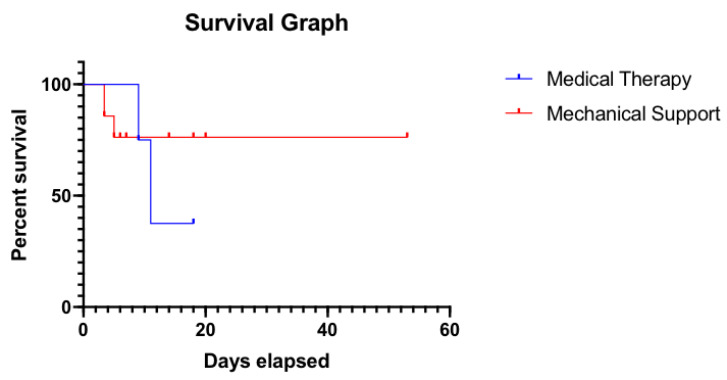
Conclusion: Patients presenting with thyroid storm-induced shock may not be suitable candidates for traditional management with β -adrenergic blockers (β-blockers). The use of β-blockers could exasperate their condition. Through extensive literature review on this rare condition, the most effective management was found to be therapeutic plasma exchange in order to decrease thyroid hormone levels, which have direct toxic effect on the heart. Furthermore, the use of ECMO and Impella is advised to reduce pressure on the heart and ensure the patient's organs are well oxygenated and perfused while the left ventricle is recovering.
Keywords: ECMO; Thyrotoxicosis; cardiogenic shock; impella; shock; therapeutic plasma exchange; thyroid storm.
Copyright© Bentham Science Publishers; For any queries, please email at epub@benthamscience.net.
Figures
References
Publication types
MeSH terms
LinkOut - more resources
Full Text Sources
Other Literature Sources