Review
. 2020 Jul;72(1):330-346.
doi: 10.1002/hep.31229.

Genetic Pathways in Nonalcoholic Fatty Liver Disease: Insights From Systems Biology

Affiliations
Review

Genetic Pathways in Nonalcoholic Fatty Liver Disease: Insights From Systems Biology

Silvia Sookoian et al. Hepatology. 2020 Jul.

Abstract

Nonalcoholic fatty liver disease (NAFLD) represents a burgeoning worldwide epidemic whose etiology reflects multiple interactions between environmental and genetic factors. Here, we review the major pathways and dominant genetic modifiers known to be relevant players in human NAFLD and which may determine key components of the heritability of distinctive disease traits including steatosis and fibrosis. In addition, we have employed general assumptions which are based on known genetic factors in NAFLD to build a systems biology prediction model that includes functional enrichment. This prediction model highlights additional complementary pathways that represent plausible intersecting signaling networks that we define here as an NAFLD-Reactome. We review the evidence connecting variants in each of the major known genetic modifiers (variants in patatin-like phospholipase domain containing 3, transmembrane 6 superfamily member 2, membrane-bound O-acyltransferase domain containing 7, glucokinase regulator, and hydroxysteroid 17-beta dehydrogenase 13) to NAFLD and expand the associated underlying mechanisms using functional enrichment predictions, based on both preclinical and cell-based experimental findings. These major candidate gene variants function in distinct pathways, including substrate delivery for de novo lipogenesis; mitochondrial energy use; lipid droplet assembly, lipolytic catabolism, and fatty acid compartmentalization; and very low-density lipoprotein assembly and secretion. The NAFLD-Reactome model expands these pathways and allows for hypothesis testing, as well as serving as a discovery platform for druggable targets across multiple pathways that promote NAFLD development and influence several progressive outcomes. In conclusion, we summarize the strengths and weaknesses of studies implicating selected variants in the pathophysiology of NAFLD and highlight opportunities for future clinical research and pharmacologic intervention, as well as the implications for clinical practice.


Figures

Figure 1.
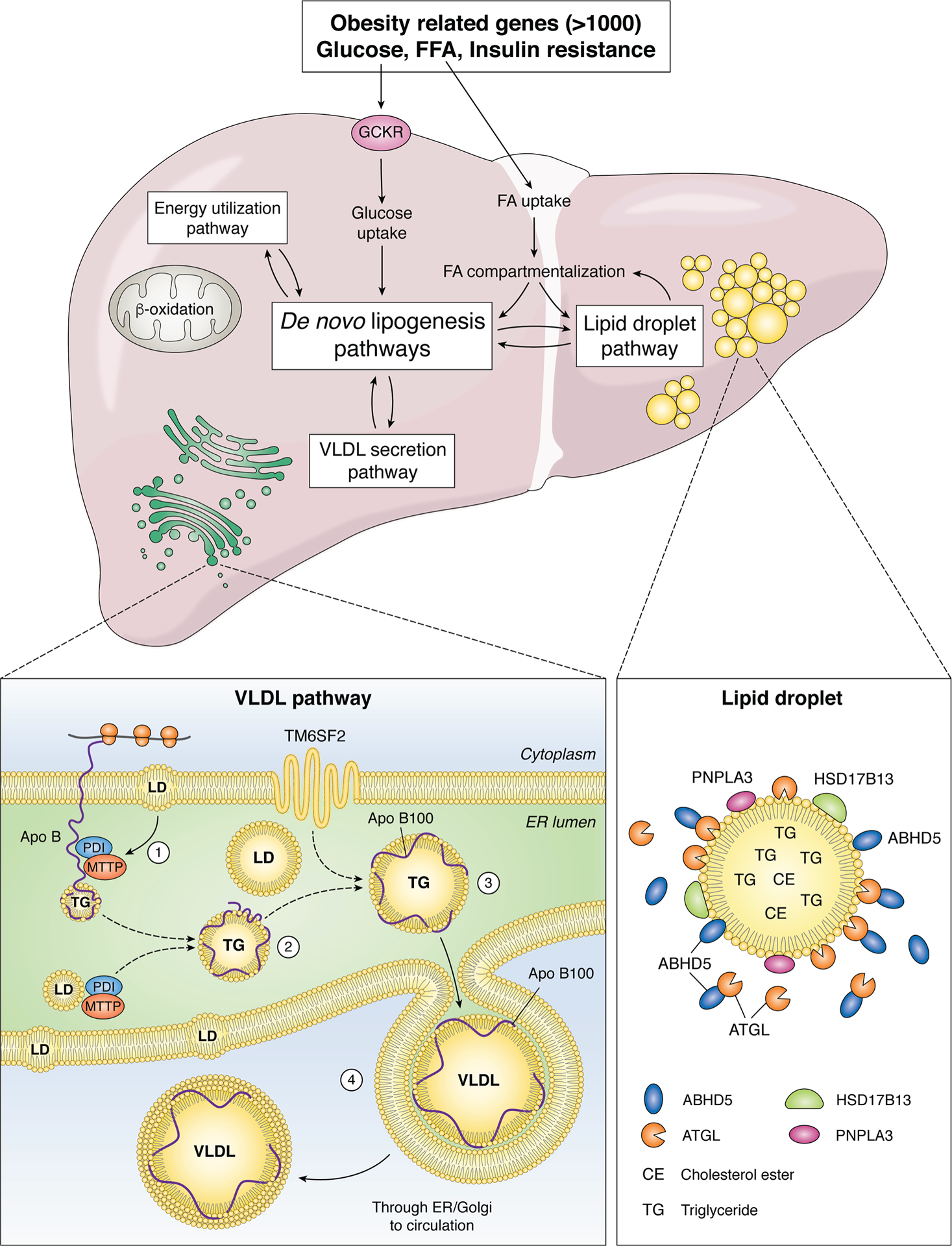
Figure 1.. Overview of genetic pathways in nonalcoholic fatty liver disease (NAFLD)
The major pathways involved in lipid trafficking, compartmentalization and utilization are represented within boxes, each of which undergo regulation through a combination of host genetic factors and environmental interactions (14). Obesity and insulin resistance are each complex genetic traits, with variants in more than 1000 genes linked to altered susceptibility (106, 107). Variations in energy metabolism are linked to variants in mitochondrial genes including uncoupling protein 1, 2 (UCP1, UCP2) as well as superoxide dismutase2 (SOD2), whose candidate genes are expressed in extrahepatic tissues (adipose, muscle) as well as the liver. Fatty acid uptake and metabolic channeling results in partitioning between de novo lipogenesis/energy utilization/lipid droplet pathways. Hepatic glucose uptake and utilization is also regulated by variants in glucokinase regulator (GCKR) (61), which in turn regulate substrate flow for de novo lipogenesis. In addition, de novo lipogenesis pathways also interact metabolically with the very low density lipoprotein (VLDL) secretion pathway. The lipid droplet (LD) pathway includes many of the candidate genes implicated in NAFLD development and progression, including patatin-like phospholipase domain-containing protein 3 (PNPLA3), abhydrolase containing domain 5 (ABDH5), adipose triglyceride lipase (ATGL), hydroxysteroid 17-β-dehydrogenase B13 (HSD17B13). Those proteins are associated with LDs which contain a core of neutral lipids (triglyceride, TG and cholesterol ester, CE). The VLDL pathway includes gatekeeper genes (microsomal triglyceride transfer protein, MTTP and apolipoprotein B, APOB, variants of which impair VLDL assembly within the endoplasmic reticulum (ER). MTTP is an endoluminal ER protein that functions as an obligate heteromeric complex with protein disulfide isomerase (PDI) and together promote lipidation and correct folding of the APOB protein around a core of neutral lipid transferred from membrane associated and intraluminal LD. In addition, variations in another transmembrane ER associated protein, transmembrane 6 superfamily 2 (TM6SF2) are associated with defective VLDL assembly and secretion (74, 75).
Figure 2:
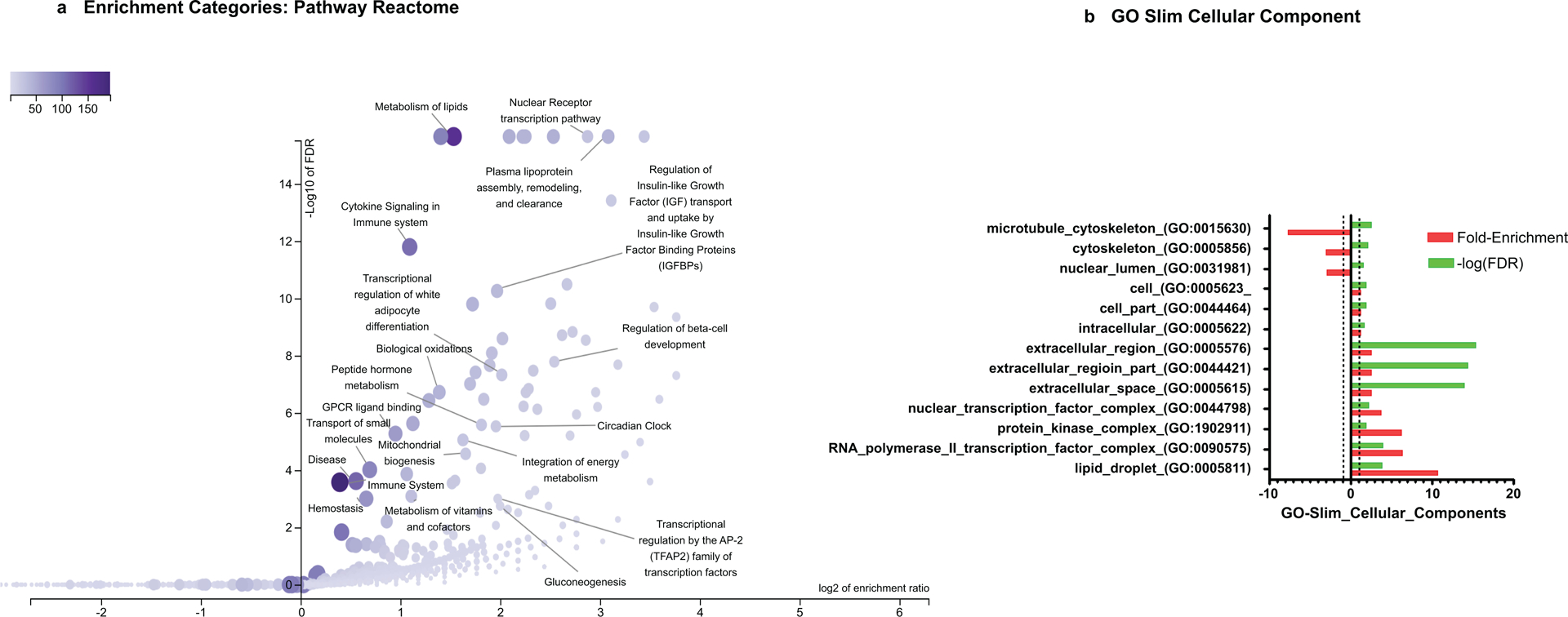
Figure 2:. Mapping NAFLD onto Reactome pathways elucidates disease mechanisms
a) Volcano plot on NAFLD-predicted reactome pathways Enrichment method: ORA (over representation analysis). Enrichment Categories: pathway_Reactome (data source: https://www.reactome.org/ and http://www.geneontology.org. Reference list: all mapped entrez gene IDs from the selected platform genome (61506entrezgene IDs and 10554 IDs are annotated to the selected functional categories that are used as the reference for the enrichment analysis.Organism: Homo sapiens. Parameters for the enrichment analysis: minimum number of IDs in the category: 5; maximum number of IDs in the category: 2000. FDR Method: Benjamini-Hochberg. Significance Level: Top 200. The size and color of the dot is proportional to the number of overlapping (for ORA) or leading edge genes (for GSEA) of the category. ORA was performed by the WebGestalt (WEB-based Gene SeTAnaLysis Toolkit) functional enrichment analysis web tool available at http://www.webgestalt.org/. Figure illustrates results of redundancy reduction (RR) of enriched gene sets; nevertheless, important biological pathways were all covered by the analysis. To identify the most representative and statistically significant gene sets for visualization, we used redundancy reduction and weighted set cover (99) b) Figure ORA GO Slim Cellular component Cellular component was analyzed by PANTHER resource based on Gene ontology (GO) database. PANTHER GO-slim annotations represent only the subset of GO annotations that have been selected by curation (from available experimental annotations), and judged to be evolutionarily conserved(108)Fold-enrichment is calculated for each testing list as: (# genes for the category - # genes expected)/# genes expected; broken lines are shown at 1 and −1 (no enrichments). The negative inverse of the fold-enrichment is used to show values below 1. The -log transformation of false discovery rate (-log(FDR) is also shown.

References

    1. Younossi ZM, Koenig AB, Abdelatif D, Fazel Y, Henry L, Wymer M. Global epidemiology of nonalcoholic fatty liver disease-Meta-analytic assessment of prevalence, incidence, and outcomes. Hepatology 2016;64:73–84. - PubMed
    1. Collaborators GBDO. Health Effects of Overweight and Obesity in 195 Countries over 25 Years. N Engl J Med 2017;377:13–27. - PMC - PubMed
    1. Willner IR, Waters B, Patil SR, Reuben A, Morelli J, Riely CA. Ninety patients with nonalcoholic steatohepatitis: insulin resistance, familial tendency, and severity of disease. Am J Gastroenterol 2001;96:2957–2961. - PubMed
    1. Struben VM, Hespenheide EE, Caldwell SH. Nonalcoholic steatohepatitis and cryptogenic cirrhosis within kindreds. Am J Med 2000;108:9–13. - PubMed
    1. Abdelmalek MF, Liu C, Shuster J, Nelson DR, Asal NR. Familial aggregation of insulin resistance in first-degree relatives of patients with nonalcoholic fatty liver disease. Clin Gastroenterol Hepatol 2006;4:1162–1169. - PubMed

Publication types