


A multimodel regime for evaluating effectiveness of antimicrobial wound care products in microbial biofilms
- PMID: 32175636
- PMCID: PMC7540695
- DOI: 10.1111/wrr.12806
A multimodel regime for evaluating effectiveness of antimicrobial wound care products in microbial biofilms
Abstract
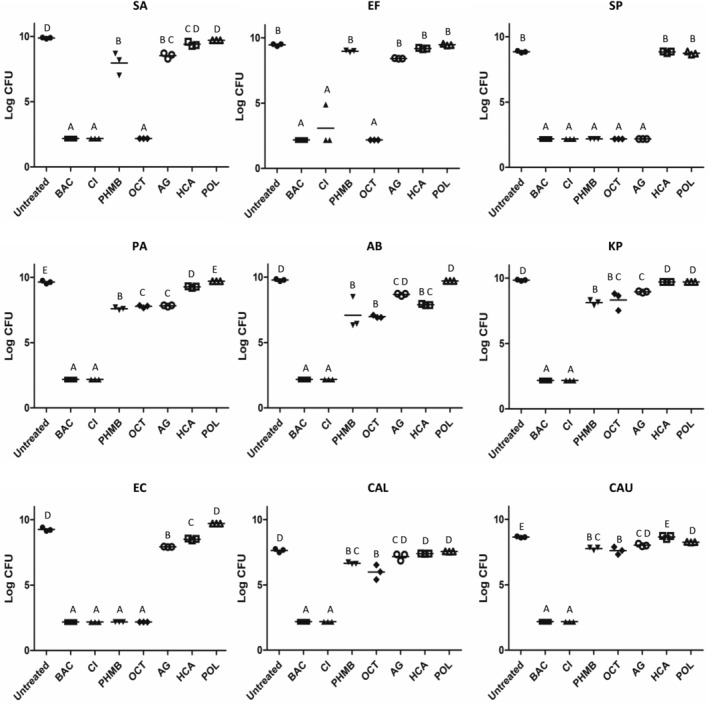
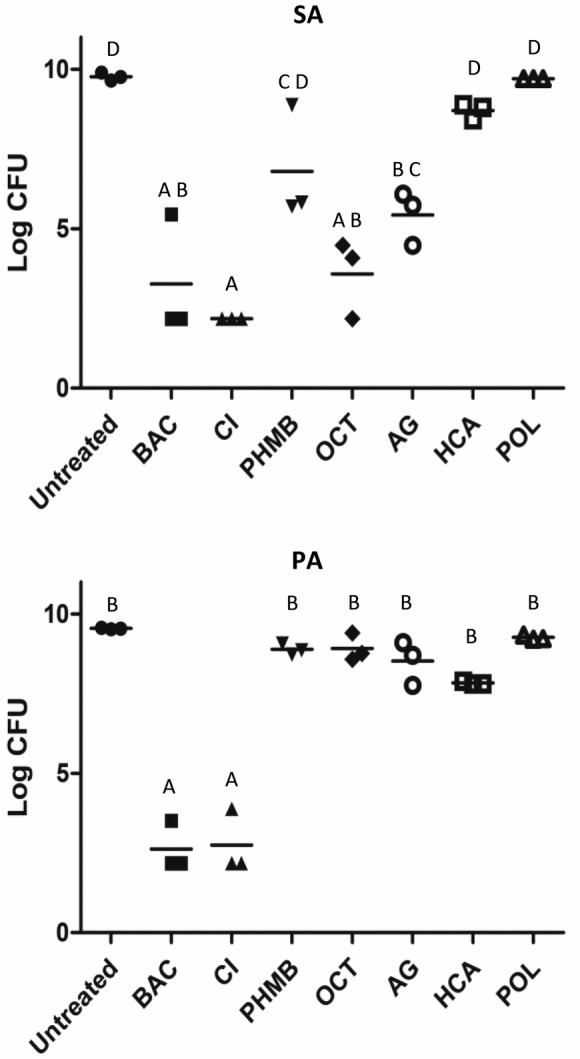
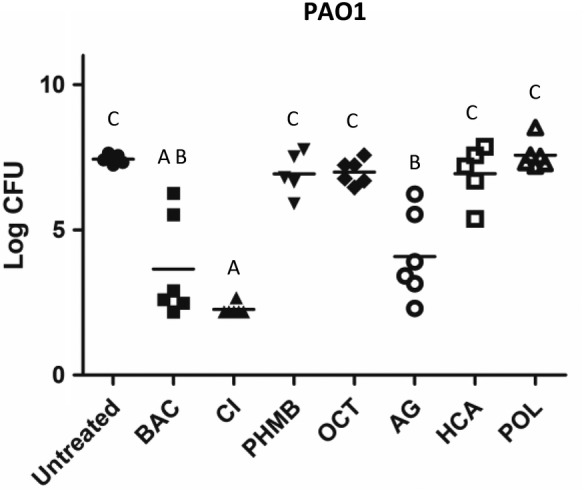
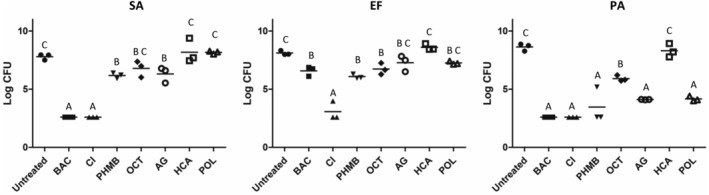
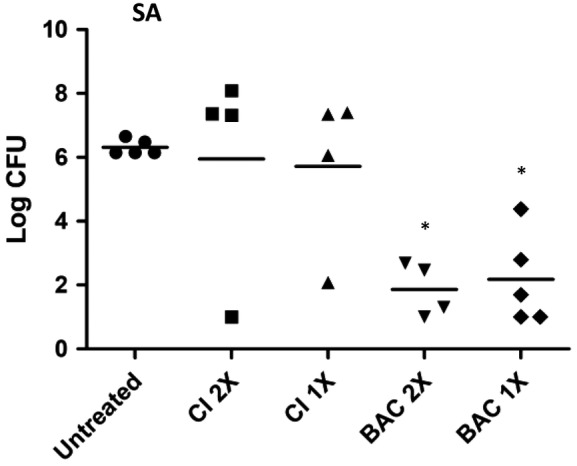
Microbial biofilms have become increasingly recognized as a cause of wound chronicity. There are several topical antimicrobial wound care products available for use; however, their effectiveness has routinely been demonstrated with planktonic microorganisms. There is no target reference value for antimicrobial effectiveness of wound care products in biofilm models. In addition, data on antimicrobial activity of products in biofilm models are scattered across many test methods in a variety of studies. The aim of this work is to directly compare commercial products containing the commonly used topical antimicrobial agents iodine, silver, polyhexamethylene biguanide, octenidine, hypochlorous acid, benzalkonium chloride, and a surfactant-based topical containing poloxamer 188. Five different in vitro biofilm models of varied complexity were used, incorporating several bacterial pathogens such as Staphylococcus, Enterococcus, Streptococcus, Pseudomonas, Acinetobacter, Klebsiella, and Enterobacter. The fungal pathogens Candida albicans and Candida auris were also evaluated. A multispecies bacterial biofilm model was also used to evaluate the products. Additionally, C. albicans was used in combination with S. aureus and P. aeruginosa in a multikingdom version of the polymicrobial biofilm model. Statistically significant differences in antimicrobial performance were observed between treatments in each model and changing microbial growth conditions or combinations of organisms resulted in significant performance differences for some treatments. The iodine and benzalkonium chloride-containing products were overall the most effective in vitro and were then selected for in vivo evaluation in an infected immunocompromised murine model. Unexpectedly, the iodine product was statistically (P > .05) no different than the untreated control, while the benzalkonium chloride containing product significantly (P < .05) reduced the biofilm compared to untreated control. This body of work demonstrates the importance of not only evaluating antimicrobial wound care products in biofilm models but also the importance of using several different models to gain a comprehensive understanding of products' effectiveness.
© 2020 The Authors. Wound Repair and Regeneration published by Wiley Periodicals, Inc. on behalf of by the Wound Healing Society.
Conflict of interest statement
3M is the exclusive distributor of BlastX Antimicrobial Wound Gel.
Figures

Comment in
-
The importance of in vivo biofilm models for clinical practice.Wound Repair Regen. 2020 Jul;28(4):578-579. doi: 10.1111/wrr.12819. Epub 2020 May 20. Wound Repair Regen. 2020. PMID: 32432813 No abstract available.
References
-
- Costerton JW, Stewart PS, Greenberg EP. Bacterial biofilms: a common cause of persistent infections. Science. 1999;284:1318‐1322. - PubMed
-
- James GA, Swogger E, Wolcott R, et al. Biofilms in chronic wounds. Wound Rep Regen. 2008;16(1):37‐44. - PubMed
-
- Percival SL, Bowler PG. Biofilms and their potential role in wound healing. Wounds. 2004;16(7):234‐240.
-
- Bjarnsholt T, Kirketerp‐Moller K, Jensen PO, et al. Why chronic wounds will not heal: a novel hypothesis. Wound Rep Reg. 2008;16:2‐10. - PubMed
-
- Landsman A, Masturzo A, Barbul A. Examining the real‐world healthcare costs of treating chronic wounds. Value Health. 2019;22:S213.
Publication types
MeSH terms
Substances
LinkOut - more resources
Full Text Sources
Molecular Biology Databases
