


Platelet-rich plasma versus hyaluronic acid in the treatment of knee osteoarthritis: A meta-analysis
- PMID: 32176063
- PMCID: PMC7220139
- DOI: 10.1097/MD.0000000000019388
Platelet-rich plasma versus hyaluronic acid in the treatment of knee osteoarthritis: A meta-analysis
Abstract
Background: This meta-analysis focuses on the controversial efficacy and safety of platelet-rich plasma (PRP) as compared with hyaluronic acid (HA) in the clinical treatment of knee osteoarthritis. We have attempted to provide an evidence-based medicine protocol for the conservative treatment of knee osteoarthritis. In addition, we included the latest relevant literature in this meta-analysis, and a staging study was conducted to compare the therapeutic effects of PRP and HA for knee osteoarthritis over different time periods.
Methods: An online computer search with "platelet-rich plasma" and "knee osteoarthritis" as search terms was conducted in the PubMed, EMBASE, and Cochrane Library databases. We conducted a quality assessment of the retrieved literature and extracted the following indicators: visual analog scale (VAS) score, subjective International Knee Documentation Committee (IKDC) score, Western Ontario and McMaster Universities (WOMAC) score, Knee Injury and Osteoarthritis Outcome Score (KOOS), and adverse events. RevMan5.3 software was used to determine the effect sizes, and indicators were compared across studies at three different time points from the administration of treatment.
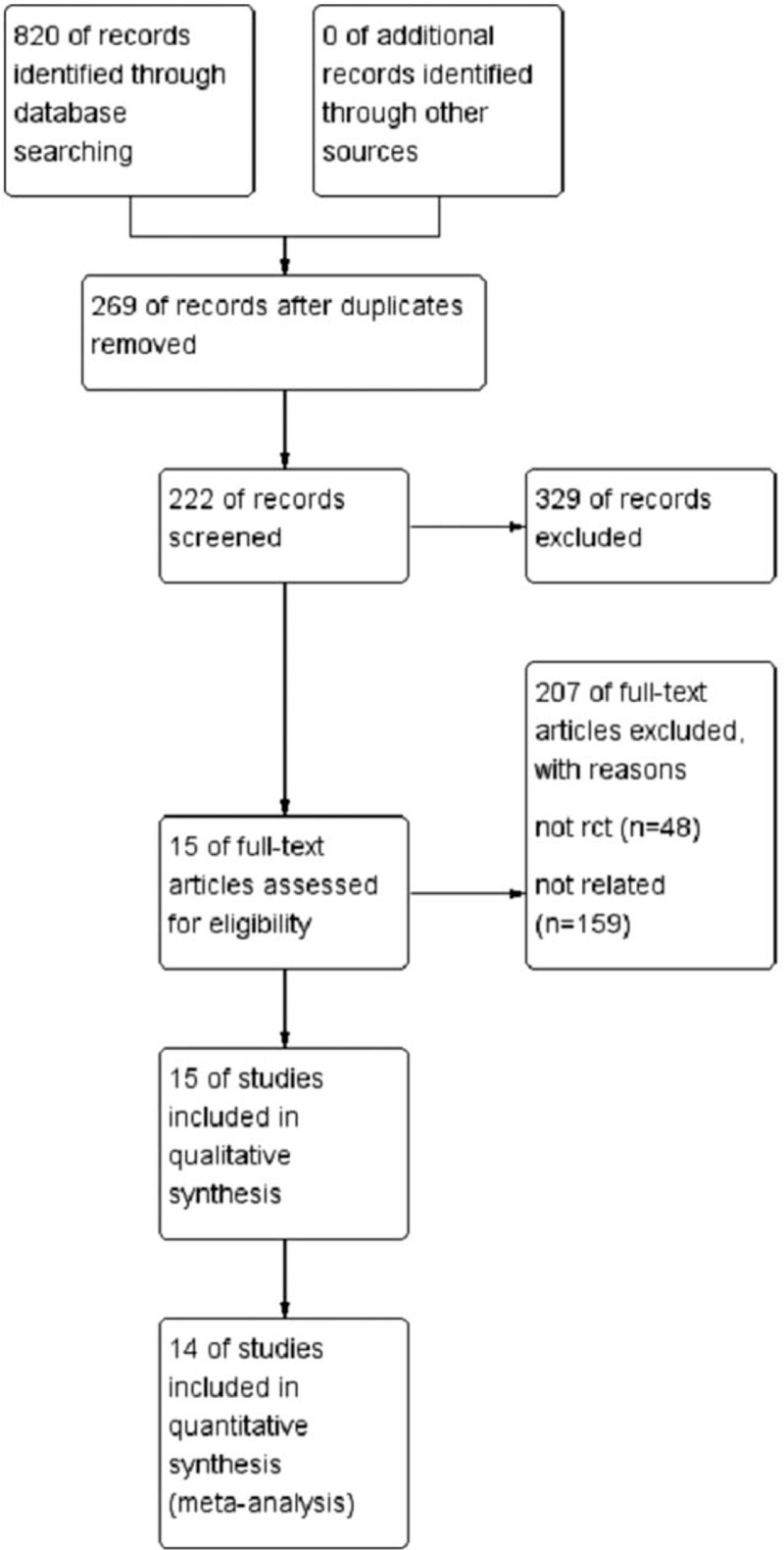
Results: A total of 14 randomized controlled trials (RCTs) involving 1350 patients were included. Long-term VAS, IKDC, WOMAC-Pain, WOMAC-Stiffness, WOMAC-Physical Function, and WOMAC-Total scores at each time point were higher in the PRP group than in the HA group. There were no significant differences in the remaining indicators between the two groups.
Conclusion: Compared with HA, PRP offers obvious advantages in the conservative treatment of knee osteoarthritis. Treatment with PRP can reduce long-term pain and improve knee joint function with no additional risks. Therefore, PRP can be widely used for the conservative treatment of knee osteoarthritis.
Conflict of interest statement
The authors have no conflicts of interest to disclose.
Figures
References
-
- Youm J, Chan V, Belkora J, et al. Impact of socioeconomic factors on informed decision making and treatment choice in patients with hip and knee OA. J Arthroplasty 2015;30:171–5. - PubMed
-
- Harvey WF, Hunter DJ. The role of analgesics and intra-articular injections in disease management. Med Clin North Am 2009;34:777–88. - PubMed
-
- Faust HJ, Sommerfeld SD, Rathod S, et al. A hyaluronic acid binding peptide-polymer system for treating osteoarthritis. Biomaterials 2018;183:93–101. - PubMed
Publication types
MeSH terms
Substances
LinkOut - more resources
Full Text Sources
Research Materials
