


Disambiguating "Mechanisms" in Pharmacy: Lessons from Mechanist Philosophy of Science
- PMID: 32178269
- PMCID: PMC7143661
- DOI: 10.3390/ijerph17061833
Disambiguating "Mechanisms" in Pharmacy: Lessons from Mechanist Philosophy of Science
Abstract
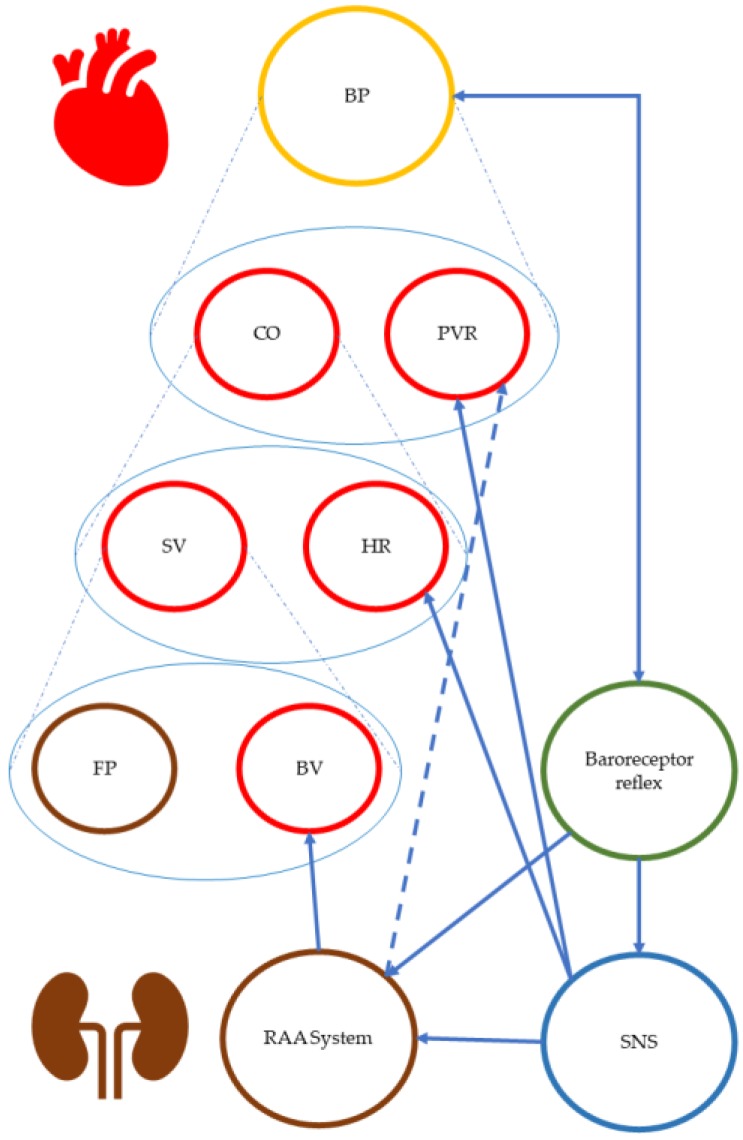
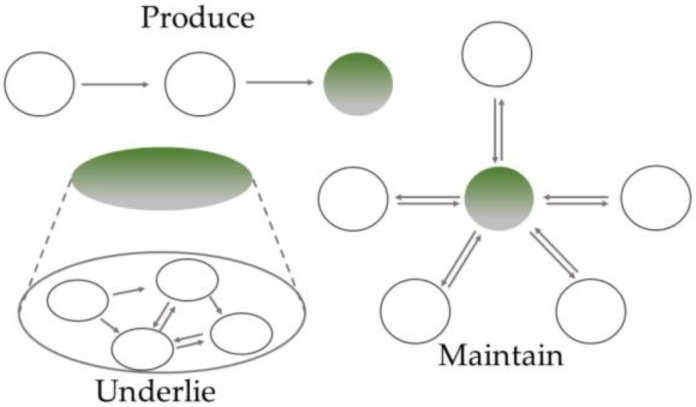
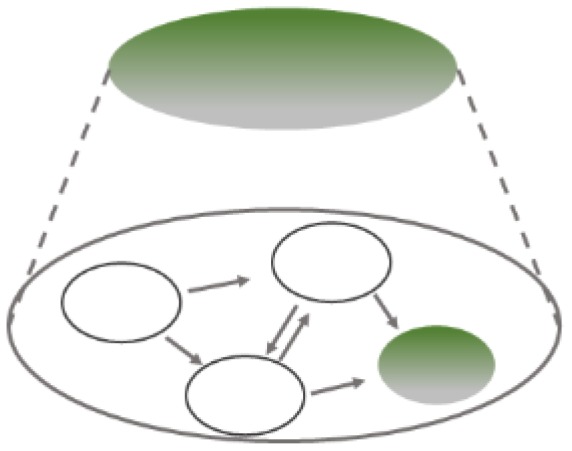
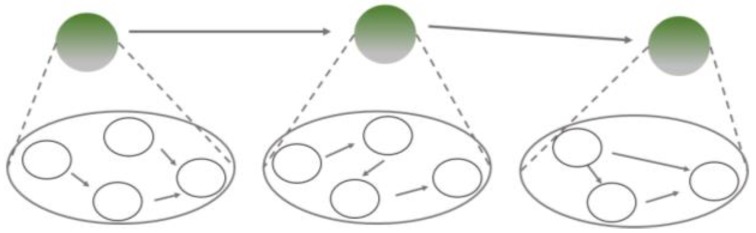
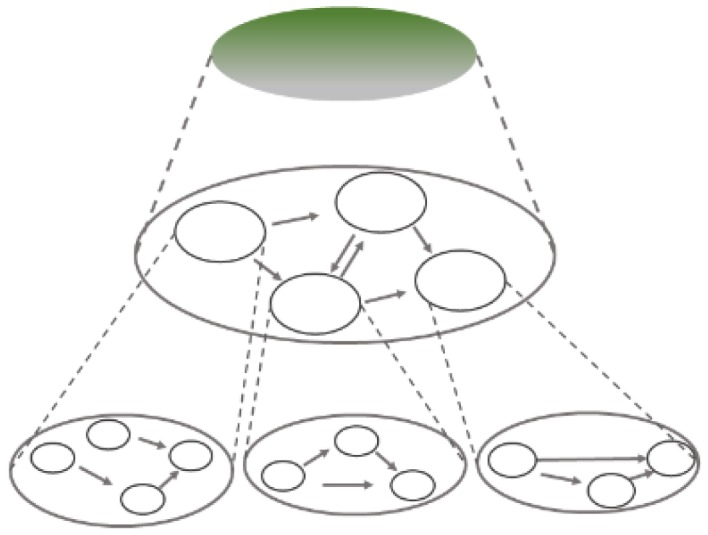
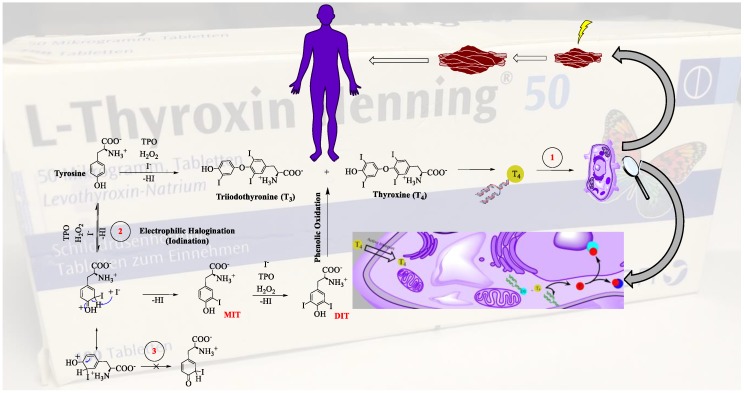
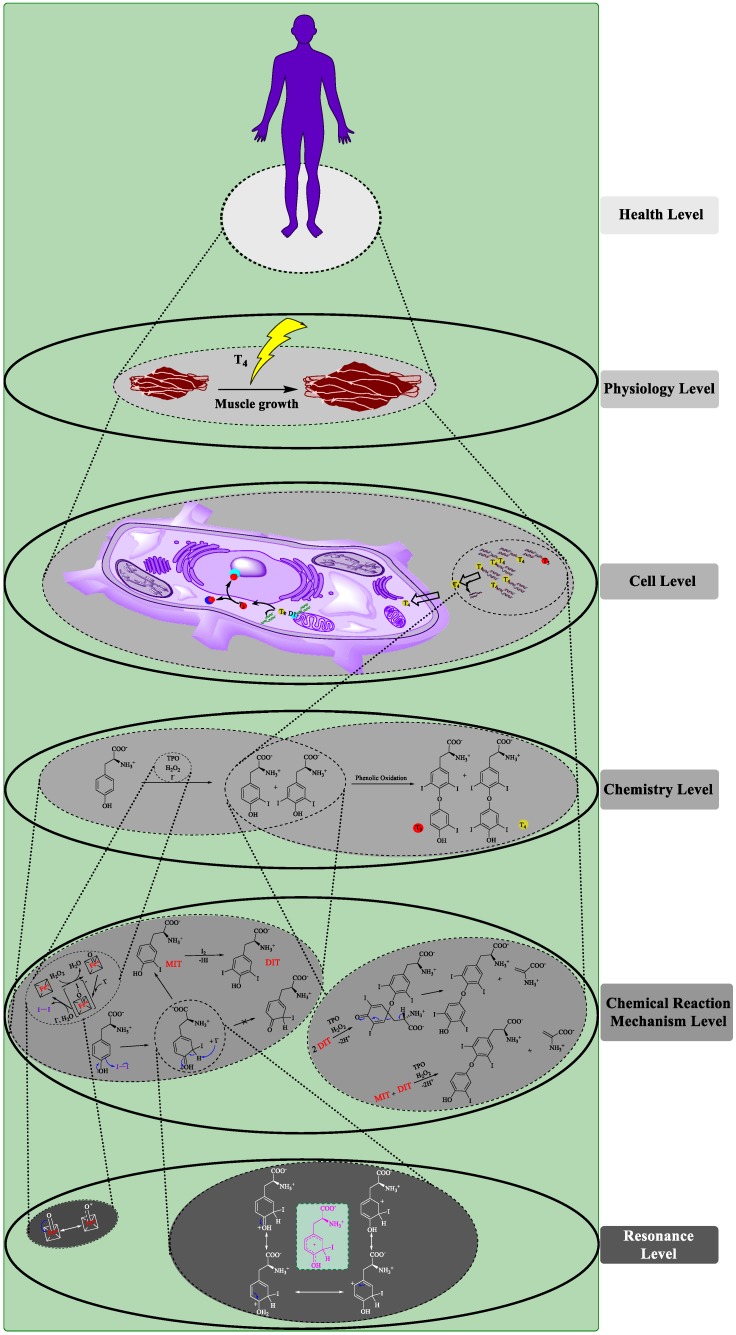
Talk of mechanisms is ubiquitous in the natural sciences. Interdisciplinary fields such as biochemistry and pharmacy frequently discuss mechanisms with the assistance of diagrams. Such diagrams usually depict entities as structures or boxes and activities or interactions as arrows. While some of these arrows may indicate causal or componential relations, others may represent temporal or operational orders. Importantly, what kind of relation an arrow represents may not only vary with context but also be underdetermined by empirical data. In this manuscript, we investigate how an analysis of pharmacological mechanisms in terms of producing and underlying mechanisms-as discussed in the contemporary philosophy of science-may shed light on these issues. Specifically, we shall argue that while pharmacokinetic mechanisms usually describe causal chains of production, pharmacodynamics tends to focus on mechanisms of action underlying the in vivo effects of a drug. Considering the action of thyroid gland hormones in the human body as a case study, we further demonstrate that pharmacodynamic schemes tend to incorporate entities and interactions on multiple levels. Yet, traditional pharmacodynamic schemes are sketched "flat", i.e., non-hierarchically. We suggest that transforming flat pharmacodynamic schemes into mechanistic multi-level representations may assist in disentangling the different kinds of mechanisms and relations depicted by arrows in flat schemes. The resulting Baumkuchen model provides a powerful and practical alternative to traditional flat schemes, as it explicates the relevant mechanisms and relations more clearly. On a more general note, our discussion demonstrates how pharmacology and related disciplines may benefit from applying concepts from the new mechanist philosophy to guide the interpretation of scientific diagrams.
Keywords: Baumkuchen model; arrows; causation; mode of action; multi-level mechanisms; new mechanist philosophy; pharmacodynamics.
Conflict of interest statement
The authors declare no conflict of interest.
Figures

References
-
- Kästner L., Andersen L.M. Intervening into mechanisms: Prospects and challenges. Philos. Comp. 2018;13:e12546. doi: 10.1111/phc3.12546. - DOI
-
- Wimsatt W.C. Reductionism, Levels of Organization, and the Mind-Body Problem. In: Globus G.G., Maxwell G., Savodnik I., editors. Consciousness and the Brain: A Scientific and Philosophical Inquiry. Springer; Boston, MA, USA: 1976. pp. 205–267.
-
- Craver C.F., Darden L. In Search of Mechanisms: Discoveries Across the Life Sciences. Chicago Press; Chicago, IL, USA: 2013.
-
- Katzung B.G. Basic and Clinical Pharmacology 14th Edition. McGraw Hill Professional; New York, NY, USA: 2017.
Publication types
MeSH terms
LinkOut - more resources
Full Text Sources
