


Iron deficiency in pregnancy
- PMID: 32184147
- PMCID: PMC7492370
- DOI: 10.1016/j.ajog.2020.03.006
Iron deficiency in pregnancy
Abstract
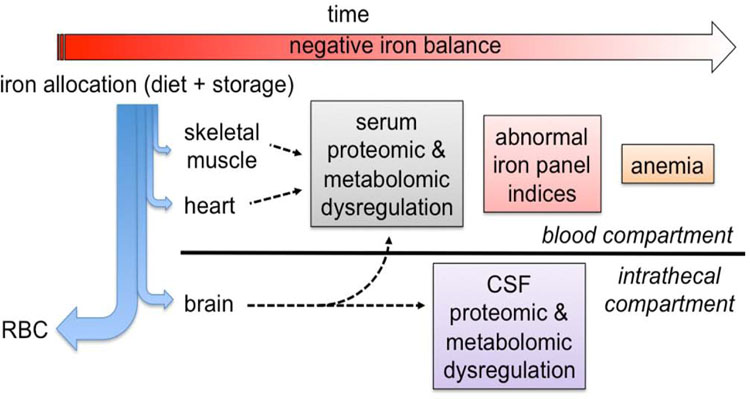
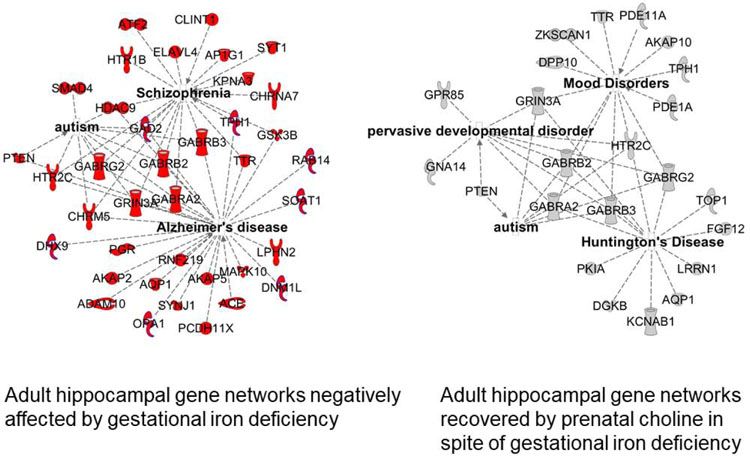
Iron is essential for the function of all cells through its roles in oxygen delivery, electron transport, and enzymatic activity. Cells with high metabolic rates require more iron and are at greater risk for dysfunction during iron deficiency. Iron requirements during pregnancy increase dramatically, as the mother's blood volume expands and the fetus grows and develops. Thus, pregnancy is a condition of impending or existing iron deficiency, which may be difficult to diagnose because of limitations to commonly used biomarkers such as hemoglobin and ferritin concentrations. Iron deficiency is associated with adverse pregnancy outcomes, including increased maternal illness, low birthweight, prematurity, and intrauterine growth restriction. The rapidly developing fetal brain is at particular risk of iron deficiency, which can occur because of maternal iron deficiency, hypertension, smoking, or glucose intolerance. Low maternal gestational iron intake is associated with autism, schizophrenia, and abnormal brain structure in the offspring. Newborns with iron deficiency have compromised recognition memory, slower speed of processing, and poorer bonding that persist despite postnatal iron repletion. Preclinical models of fetal iron deficiency confirm that expected iron-dependent processes such as monoamine neurotransmission, neuronal growth and differentiation, myelination, and gene expression are all compromised acutely and long term into adulthood. This review outlines strategies to diagnose and prevent iron deficiency in pregnancy. It describes the neurocognitive and mental health consequences of fetal iron deficiency. It emphasizes that fetal iron is a key nutrient that influences brain development and function across the lifespan.
Keywords: anemia; biomarkers; brain; brain development; epigenetics; ferritin; fetal growth restriction; fetus; gestational diabetes; hemoglobin; hepcidin; hippocampus; iron; iron deficiency; mental health; metabolism; nutrition neurodevelopmental disorder; placenta; pregnancy; prematurity; preterm birth.
Copyright © 2020 Elsevier Inc. All rights reserved.
Conflict of interest statement
The author has no conflicts of interest to report.
Figures
References
-
- Kuzawa CW. Adipose tissue in human infancy and childhood: an evolutionary perspective. Am J Phys Anthropol 1998; 27 (Suppl):177–209. - PubMed
-
- Cowan MW. The development of the brain. Sci Am 1979; 241:113–133. - PubMed
-
- Thompson RA, Nelson CA. Developmental science and the media. Early brain development. Am Psychol 2001; 56:5–15. - PubMed
-
- World Health Organization. Iron deficiency anaemia: assessment, prevention and control: a guide for programme managers. Available at: www.who.int/nutrition/publications/en/ida_assessment_prevention_control.pdf 2015.
Publication types
MeSH terms
Substances
Grants and funding
LinkOut - more resources
Full Text Sources
Medical
