Case Reports
. 2020 Feb 28:14:597-607.
doi: 10.2147/OPTH.S242327. eCollection 2020.

Lightning Injury to Eye: Brief Review of the Literature and Case Series

Affiliations
Case Reports

Lightning Injury to Eye: Brief Review of the Literature and Case Series

Eli Pradhan et al. Clin Ophthalmol. .

Abstract

Purpose: In ophthalmology, injuries due to lightning strikes have been documented as various entities ranging from keratitis, cataracts, uveitis in the anterior segments to retinal detachments, papillitis, and macular hole formation in the posterior segment. We report the largest case series so far with a total of seven cases of lightning injuries with ocular involvement and its management and a brief review of the literature on this topic.

Patients and methods: All of the patients were evaluated for ocular injuries due to a lightning strike and each of the cases has been individually described as case series with their findings and management in this report.

Results: Ocular injuries caused by lightning are very rare, but when they occur, they can present with various ocular tissue pathology-ranging from anterior to the posterior segment structures. Most of the cases presented with maculopathy and foveschitic lesions, which resolved over time with the use of steroids.

Conclusion: Lightning injuries to the eyes, if detected early and managed appropriately, have a very good prognosis. The recovery is usually good with minimal functional loss if there is a quick referral. The macular region seems to be particularly involved in most cases and OCT can be a valuable diagnostic tool to detect and monitor the pathology.

Keywords: cataract; eye; keratitis; lightning; lightning injuries; ophthalmology; uveitis.


Conflict of interest statement

The authors report no competing interests.

Figures
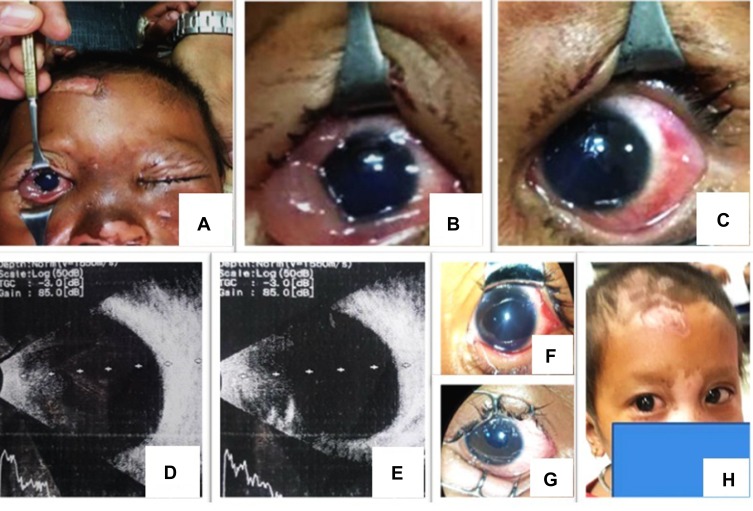
Figure 1
Figure 1
(A) A child patient with resultant burn secondary to lightning strike. (B, C) Conjunctival congestion and chemosis with corneal edema. Lens was cataractous. (D, E) Normal posterior segment findings in B-scan. (F, G) Post-operative findings in both eye after lens aspiration and posterior chamber intraocular lens implantation. (H) Healing of the burn scars after 3 weeks.
Figure 2
Figure 2
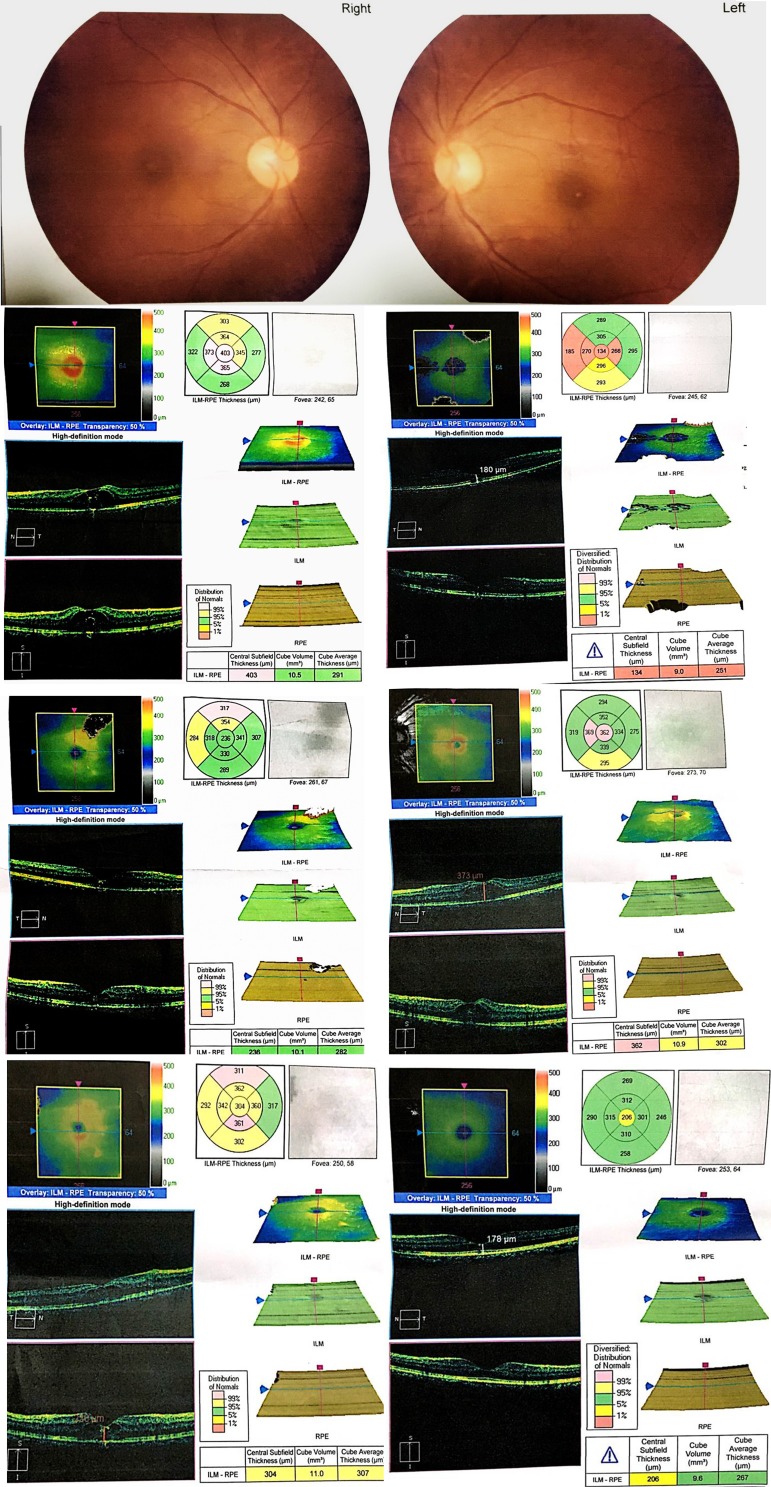
OCT findings in a young male patient suggesting bilateral foveolar cysts. Both cysts disappeared with improvement of vision by 3 months following treatment with topical steroids.
Figure 3
Figure 3
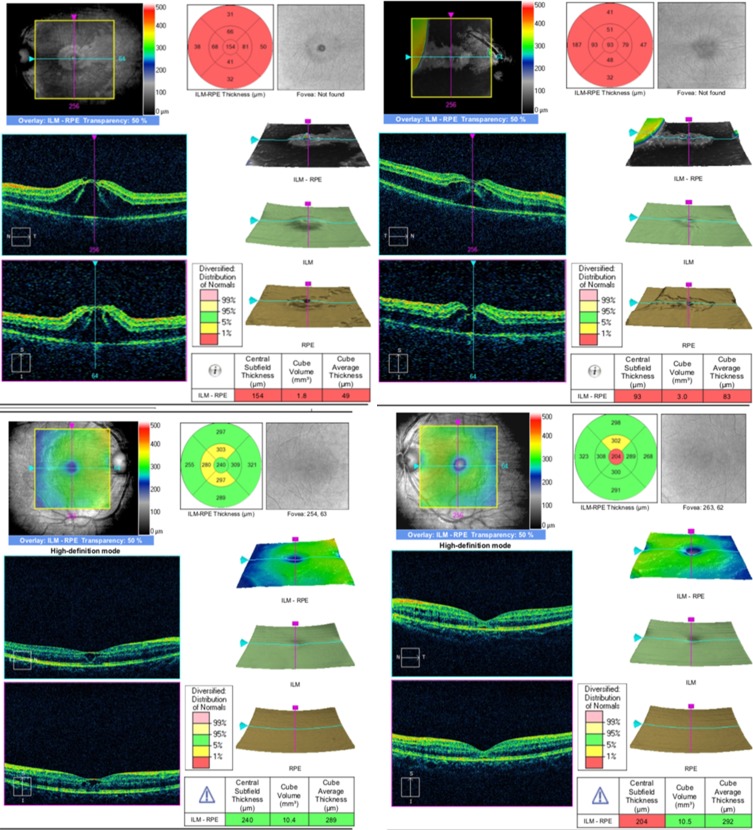
A young female patient stuck by lightning in an open area. She presented with diminution of vision and on OCT examination presented with bilateral foveolar cysts.
Figure 4
Figure 4
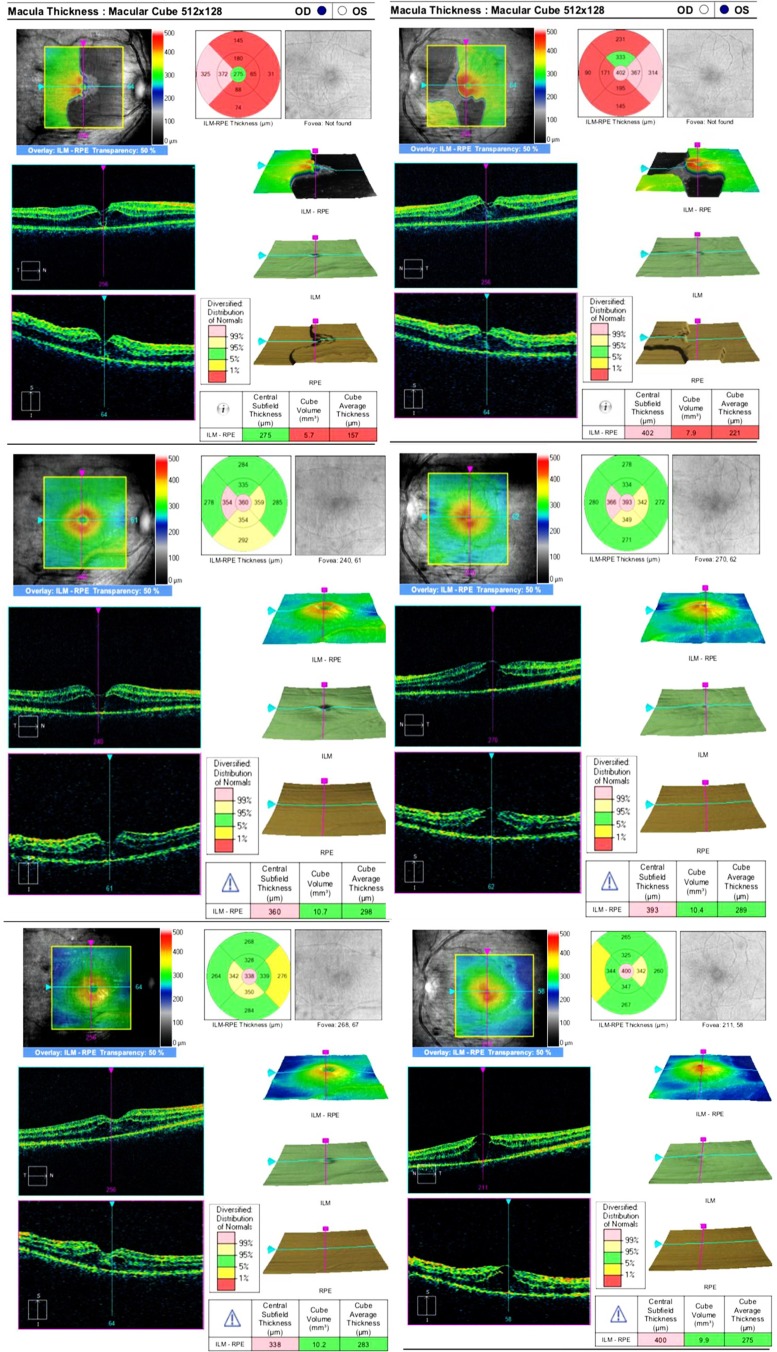
A young male patient with foveal cysts following a lightning strike.
Figure 5
Figure 5
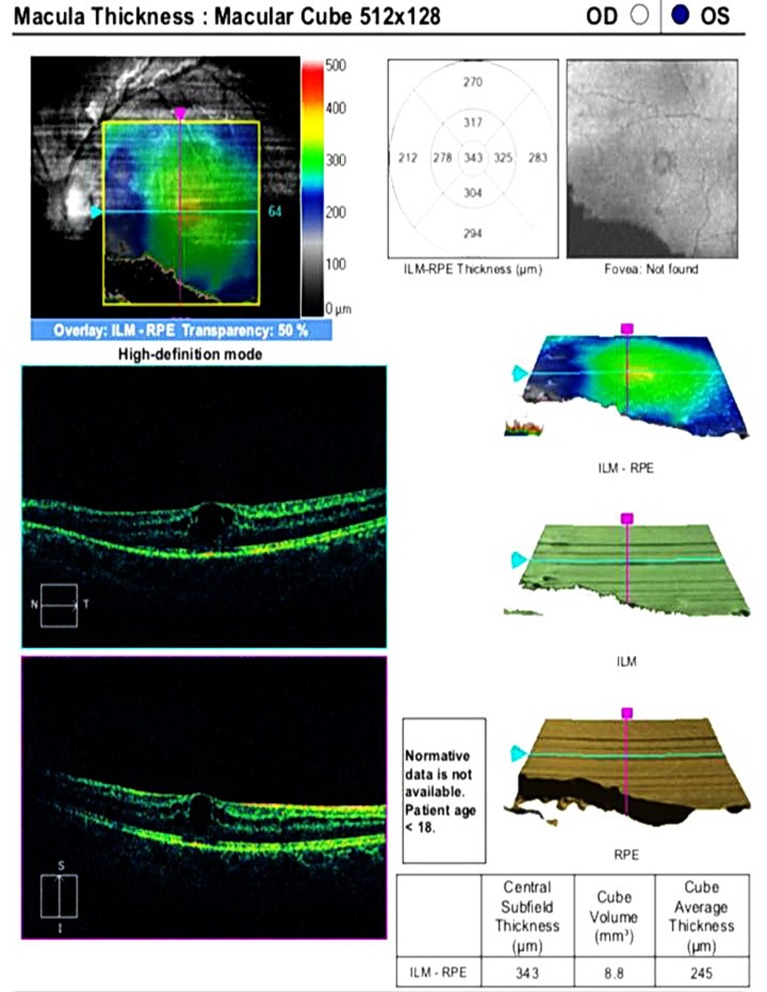
OCT of a young male patient who presented with uveitis and macular edema following a lightning strike.
Figure 6
Figure 6
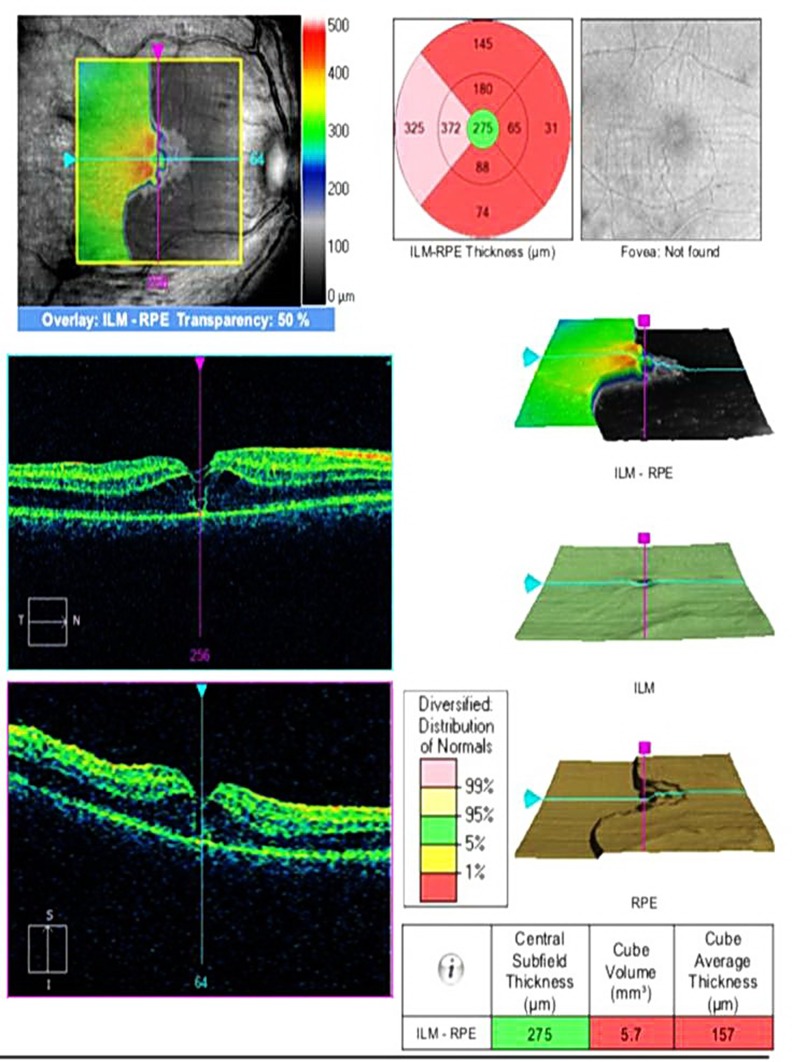
OCT of a young female patient with macular edema and “foveoscitic” lesion following lightning strike who presented nearly at 2 weeks following trauma.
Figure 7
Figure 7
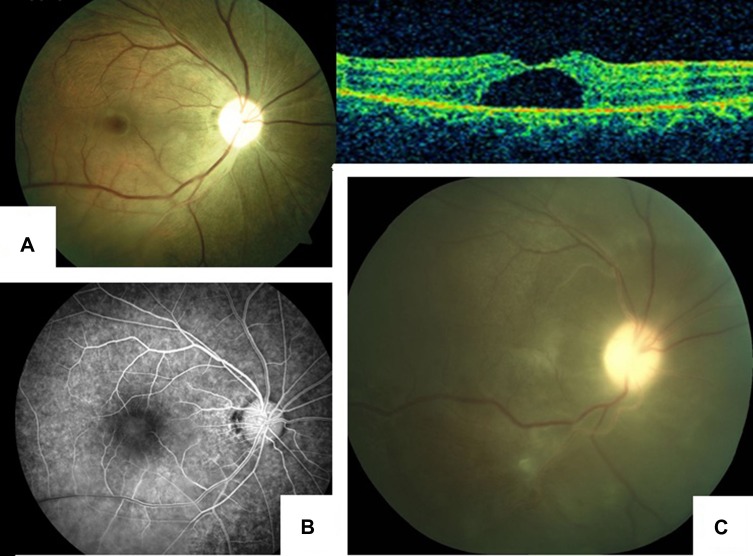
Fundus images of a young woman who presented with exudative retinal detachment following a lightning strike. (A) Fundus photo and OCT image, 5 days following treatment. (B) Fundus fluorescein angiography (FFA) showed mild diffuse hyper fluorescence in the foveal area with no leakage. (C) Shifting fluid with retinal pigment epithelium (RPE) mottling suggestive of exudative RD.

References

    1. Vavrek JR, Kithil R, Holle RL, Allsopp J, Cooper MA. The Science of Thunder. Earth Sci 2006;22(3):5–9.
    1. Lagrèze WD, Bömer TG, Aiello LP. Lightning-induced ocular injury. Arch Ophthalmol. 1995;113:1076–1077. doi: 10.1001/archopht.1995.01100080128041 - DOI - PubMed
    1. Handa JT, Jaffe GJ. Lightning maculopathy. A case report. Retina. 1994;14:169–172. doi: 10.1097/00006982-199414020-00011 - DOI - PubMed
    1. Espaillat A, Janigian R Jr, To K. Cataracts, bilateral macular holes, and rhegmatogenous retinal detachment induced by lightning. Am J Ophthalmol. 1999;127:216–217. doi: 10.1016/S0002-9394(98)00294-3 - DOI - PubMed
    1. Liu TYA, See C, Singman E, Han IC. Delayed onset of intraretinal cystoid abnormalities in lightning retinopathydelayed onset of intraretinal cystoid abnormalities letters. JAMA Ophthalmol. 2016;134(7):840–842. doi: 10.1001/jamaophthalmol.2016.1018 - DOI - PubMed

Publication types

LinkOut - more resources