


Mapping of Current Obstacles for Rationalizing Use of Medicines (CORUM) in Europe: Current Situation and Potential Solutions
- PMID: 32194401
- PMCID: PMC7063972
- DOI: 10.3389/fphar.2020.00144
Mapping of Current Obstacles for Rationalizing Use of Medicines (CORUM) in Europe: Current Situation and Potential Solutions
Abstract
Introduction: There are increasing concerns regarding the inappropriate use of medicines with expenditure continuing to grow driven by increasing sales in oncology and orphan diseases, enhanced by their emotive nature. As a result, even high income countries are struggling to fund new premium priced medicines. These concerns have resulted in initiatives to better manage the entry of new medicines and enhance the rational use of medicines (RUM). However, there is a need to ascertain the current situation. We sought to address this by developing the Current Obstacles for Rationalizing Use of Medicines in Europe (CORUM) mapping tool to qualitatively investigate the current situation and provide analysis of current views on RUM and interventions among key European payers and their advisers. The findings will be used to provide future guidance.
Methodology: Descriptive study exploring and identifying perceived gaps to achieving optimal RUM. The CORUM tool was based on the WHO 12 key interventions to promote RUM.
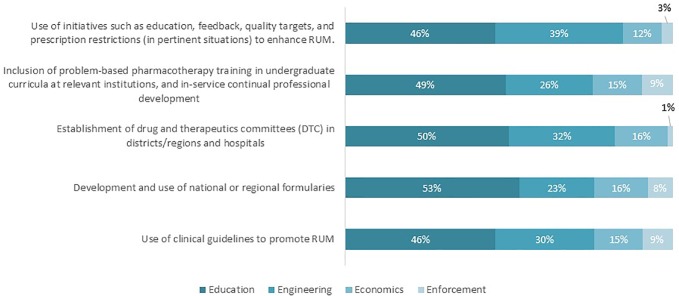
Results: 62 participants took part with most respondents believing their country could improve RUM capacity. This included educational initiatives on the use of clinical guidelines (90%) and the inclusion of problem-based pharmacotherapy in undergraduate curricula and for Continued Professional Development. Key challenges included a lack of regular updates of guidelines, exacerbated by limited funding and a lack of follow-up to monitor adherence to agreed guidelines. RUM could also be enhanced by the development of regional formularies as well as implementing Drug and Therapeutic Committees where these are currently limited. There also needs to be greater co-ordination between RUM and Health Technology Assessment activities, with countries learning from each other.
Conclusion: There is an urgent need to improve RUM through improved educational and other activities among European countries, with countries learning from each other. This will involve addressing current challenges and we will be following this up.
Keywords: Europe; health authorities; health technology assessment; initiatives; rational use of medicines.
Copyright © 2020 Gad, Salem, Oortwijn, Hill and Godman.
Figures




References
-
- Alvarez-Madrazo S., Kavanagh K., Siebert S., Semple Y., Godman B., Maciel Almeida A., et al. (2019). Discontinuation, persistence and adherence to subcutaneous biologics delivered via a homecare route to Scottish adults with rheumatic diseases: a retrospective study. BMJ Open 9 (9), e027059. 10.1136/bmjopen-2018-027059 - DOI - PMC - PubMed
-
- Brau R., Tzeng I. (2018). Orphan Drug Commercial Models. Available at URL: https://www.lifescienceleader.com/doc/orphan-drug-commercial-models-0001.
LinkOut - more resources
Full Text Sources
Research Materials
