


Dissecting the role of PfAP2-G in malaria gametocytogenesis
- PMID: 32198457
- PMCID: PMC7083873
- DOI: 10.1038/s41467-020-15026-0
Dissecting the role of PfAP2-G in malaria gametocytogenesis
Abstract
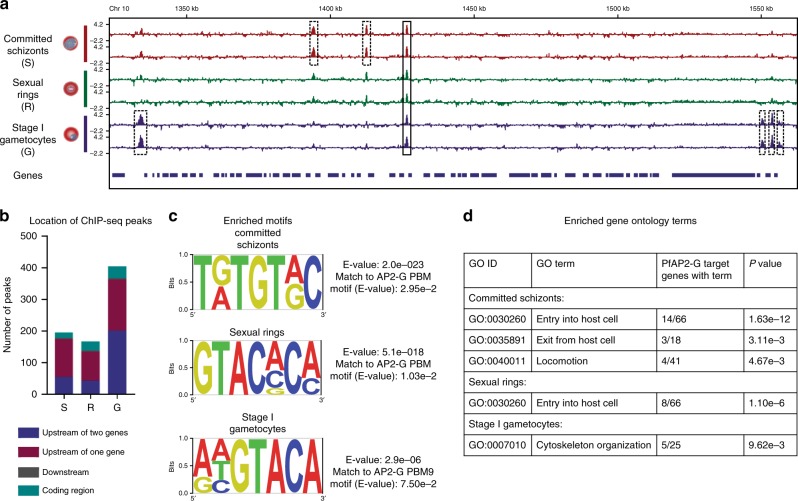
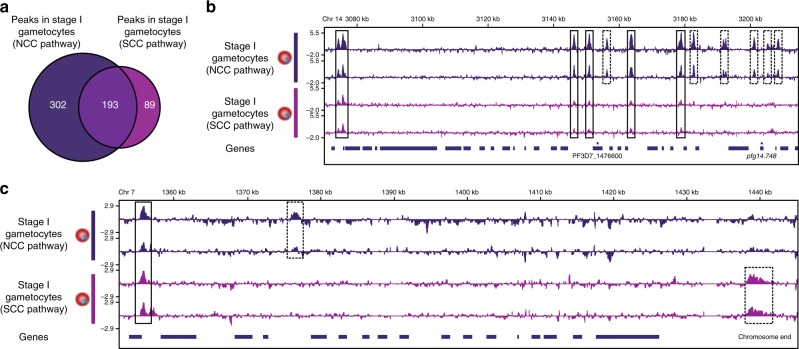
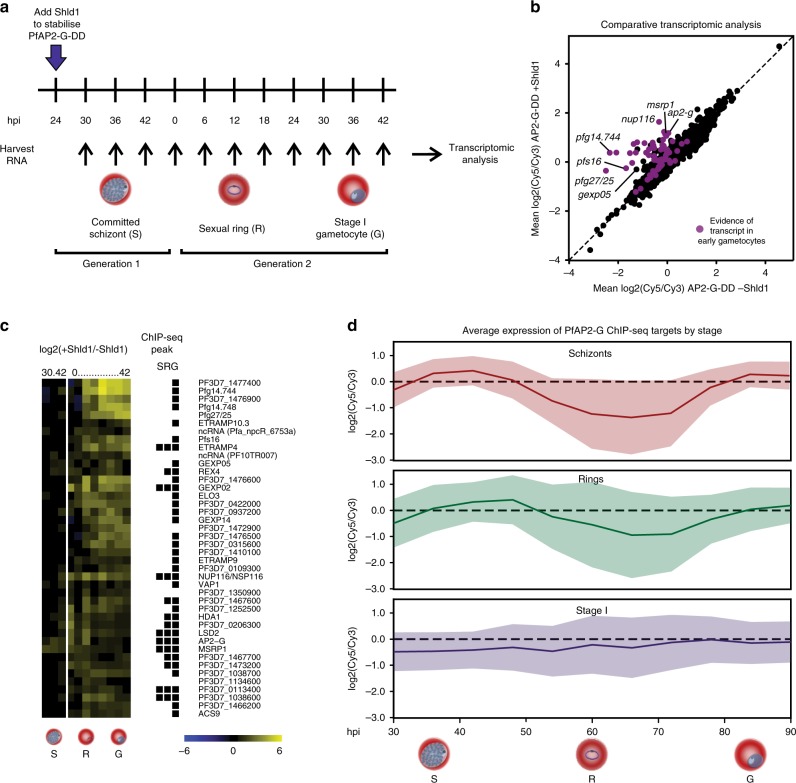
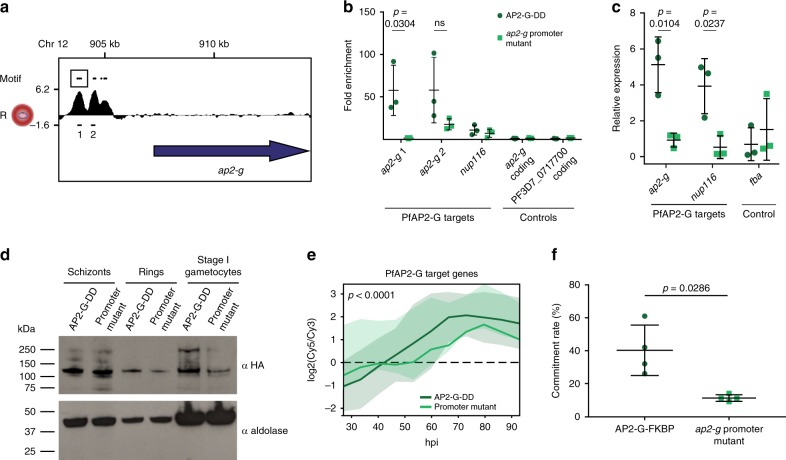
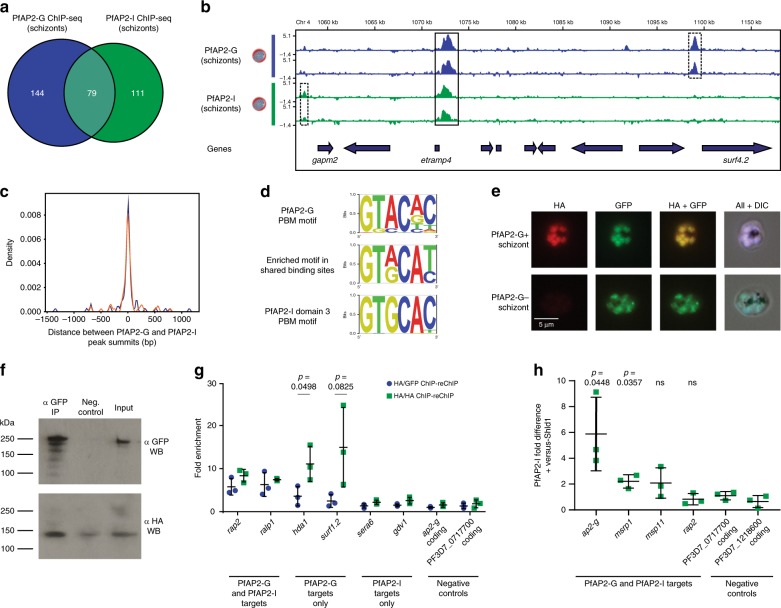
In the malaria parasite Plasmodium falciparum, the switch from asexual multiplication to sexual differentiation into gametocytes is essential for transmission to mosquitos. The transcription factor PfAP2-G is a key determinant of sexual commitment that orchestrates this crucial cell fate decision. Here we identify the direct targets of PfAP2-G and demonstrate that it dynamically binds hundreds of sites across the genome. We find that PfAP2-G is a transcriptional activator of early gametocyte genes, and identify differences in PfAP2-G occupancy between gametocytes derived via next-cycle and same-cycle conversion. Our data implicate PfAP2-G not only as a transcriptional activator of gametocyte genes, but also as a potential regulator of genes important for red blood cell invasion. We also find that regulation by PfAP2-G requires interaction with a second transcription factor, PfAP2-I. These results clarify the functional role of PfAP2-G during sexual commitment and early gametocytogenesis.
Conflict of interest statement
The authors declare no competing interests.
Figures
References
-
- World Health Organization. World Malaria Report 2017. (2017).
Publication types
MeSH terms
Substances
Grants and funding
LinkOut - more resources
Full Text Sources
Medical
Molecular Biology Databases
