


New Perspectives for Mucolytic, Anti-inflammatory and Adjunctive Therapy with 1,8-Cineole in COPD and Asthma: Review on the New Therapeutic Approach
- PMID: 32200535
- PMCID: PMC7467491
- DOI: 10.1007/s12325-020-01279-0
New Perspectives for Mucolytic, Anti-inflammatory and Adjunctive Therapy with 1,8-Cineole in COPD and Asthma: Review on the New Therapeutic Approach
Abstract
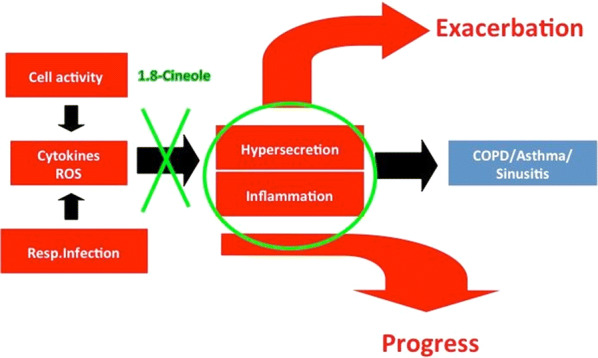
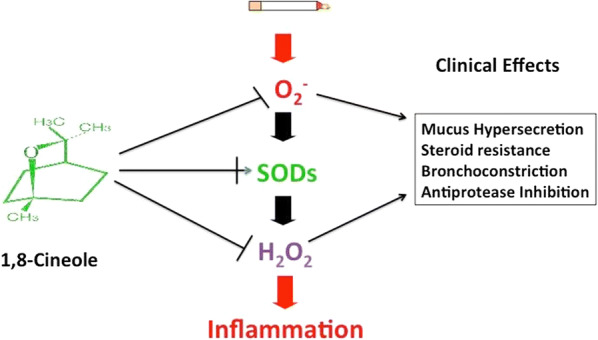
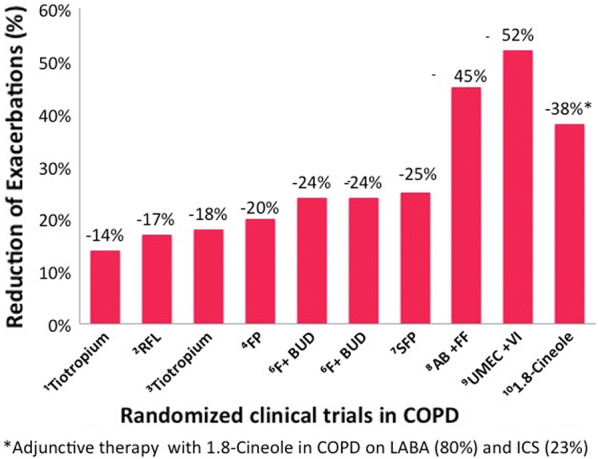
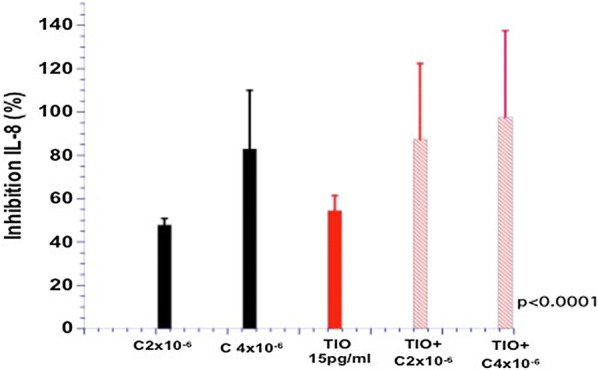
The mucolytic monoterpene 1,8-cineole (eucalyptol), the major constituent of eucalyptus species, is well known for its anti-inflammatory, antioxidant, bronchodilatory, antiviral and antimicrobial effects. The main protective antiviral, anti-inflammatory and mucolytic mechanisms of 1,8-cineole are the induction of interferon regulatory factor 3 (IRF3), the control of nuclear factor kappa-light-chain-enhancer of activated B cells (NF-κB) along with decreasing mucin genes (MUC2, MUC19). In normal human monocytes direct inhibition was shown of reactive oxygen species (ROS)-mediated mucus hypersecretion and of steroid resistence inducing superoxides (O2·-) and pro-inflammatory hydrogen peroxides (H2O2) with partial control of superoxide dismutase (SOD), which enzymatically metabolizes O2·- into H2O2. By inhibition of NF-κB, 1,8-cineole, at relevant plasma concentrations (1.5 µg/ml), strongly and significantly inhibited in normal human monocyte lipopolysaccharide (LPS)-stimulated cytokines relevant for exacerbation (tumour necrosis factor alpha (TNFα), interleukin (IL)-1β and systemic inflammation (IL-6, IL-8). Infectious agents and environmental noxa have access via TNFα and IL-1β to the immune system with induction of bronchitis complaints and exacerbations of chronic obstructive pulmonary disease (COPD), asthma and asthma-COPD overlap. In lymphocytes from healthy human donors 1,8-cineole inhibited TNFα, IL-1β, IL-4 and IL-5 and demonstrated for the first time control of Th1/2-type inflammation. 1,8-Cineole at relevant plasma levels increased additively in vitro the efficacy of inhaled guideline medications of budesonide (BUD) and budesonide + formoterol ,and preliminary data also showed increased efficacy of long-acting muscarinic receptor antagonist (LAMA)-mediated cytokine inhibition in vitro. On the basis of the preclinical data, earlier randomised controlled studies with adjunctive therapy of 1,8-cineole (3 × 200 mg/day) for 6 months showed improvement of uncontrolled asthma by significant improvement of lung function, nocturnal asthma and quality of life scores and in COPD decrease of exacerbations (- 38.5%) (during wintertime). This review reports an update with reference to the literature of 1,8-cineole, also as adjunctive therapy, as a therapeutic agent for the protection and control of inflammatory airway diseases.
Keywords: 1,8-Cineole; Asthma; Chronic obstructive pulmonary disease (COPD); Mucolytics; Sinusitis.
Figures
Comment in
-
Antianginöse Therapie.MMW Fortschr Med. 2021 Feb;163(3):82. doi: 10.1007/s15006-021-9621-4. MMW Fortschr Med. 2021. PMID: 33591535 German. No abstract available.
-
Cineol - hoher therapeutischer Nutzen.MMW Fortschr Med. 2021 Feb;163(3):82. doi: 10.1007/s15006-021-9620-5. MMW Fortschr Med. 2021. PMID: 33591536 German. No abstract available.
References
-
- Dhakad AK, Pandey VV, Beg S, Rawat JM, Singh A. Biological, medicinal and toxicological significance of eucalyptus leaf essential oil: a review. J Sci Food Agric. 2018;98:833–848. - PubMed
-
- Jnanesha AC, Ashish K, Vanitha TK. Variation in the yield and chemical composition of eucalyptus species (Nilagiri) under different agro climatic condition of India. Int J Herbal Med. 2019;7(1):04–07.
-
- De Lima Gondim F, dos Santos GR, do Nascimento IFMG, Serra DS, Cavalcante FSA. Beneficial effects of eucalyptol in the pathophysiological changes of the respiratory system: a proposal for alternative pharmacological therapy for individuals with COPD. Eur J Med Plants. 2018;25(1):1–10.
-
- Siafakas NM, Vermeire P, Pride NB, et al. Optimal assessment and management of chronic obstructive pulmonary disease (COPD). The European Respiratory Society Task Force. Eur Respir J. 1995;8(8):398–1420. - PubMed
Publication types
MeSH terms
Substances
LinkOut - more resources
Full Text Sources
Medical
Miscellaneous
