


Fit to Perform: A Profile of Higher Education Music Students' Physical Fitness
- PMID: 32210876
- PMCID: PMC7066496
- DOI: 10.3389/fpsyg.2020.00298
Fit to Perform: A Profile of Higher Education Music Students' Physical Fitness
Abstract
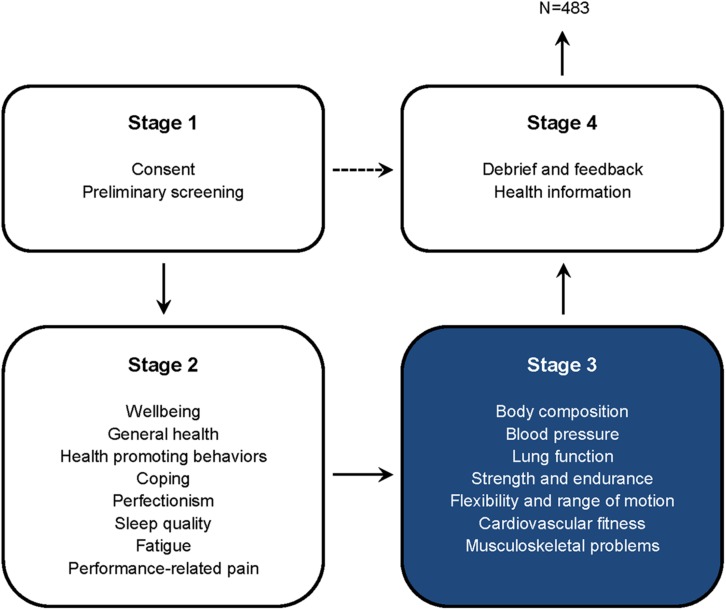
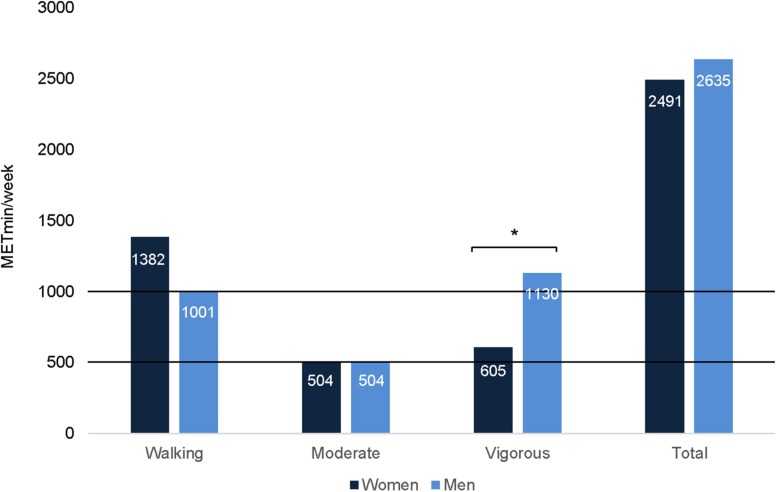
The physical demands of music making are well acknowledged, but understanding of musicians' physical and fitness profiles is nonetheless limited, especially those of advanced music students who are training to enter music's competitive professional landscape. To gain insight into how physical fitness is associated with music making, this study investigated music students' fitness levels on several standardized indicators. Four hundred and eighty three students took part in a fitness screening protocol that included measurements of lung function, flexibility (hypermobility, shoulder range of motion, sit and reach), strength and endurance (hand grip, plank, press-up), and sub-maximal cardiovascular fitness (3-min step test), as well as self-reported physical activity (IPAQ-SF). Participants scored within age-appropriate ranges on lung function, shoulder range of motion, grip strength, and cardiovascular fitness. Their results for the plank, press-up, and sit and reach were poor by comparison. Reported difficulty (22%) and pain (17%) in internal rotation of the right shoulder were also found. Differences between instrument groups and levels of study were observed on some measures. In particular, brass players showed greater lung function and grip strength compared with other groups, and postgraduate students on the whole were able to maintain the plank for longer but also demonstrated higher hypermobility and lower lung function and cardiovascular fitness than undergraduate students. Seventy-nine percent of participants exceeded the minimum recommended weekly amount of physical activity, but this was mostly based on walking activities. Singers were the most physically active group, and keyboard players, composers, and conductors were the least active. IPAQ-SF scores correlated positively with lung function, sit and reach, press-up and cardiovascular fitness suggesting that, in the absence of time and resources to carry out comprehensive physical assessments, this one measure alone can provide useful insight into musicians' fitness. The findings show moderate levels of general health-related fitness, and we discuss whether moderate fitness is enough for people undertaking physically and mentally demanding music making. We argue that musicians could benefit from strengthening their supportive musculature and enhancing their awareness of strength imbalances.
Keywords: cardiovascular fitness; fitness screening; flexibility; health-related fitness; music; performance; physical activity; strength.
Copyright © 2020 Araújo, Wasley, Redding, Atkins, Perkins, Ginsborg and Williamon.
Figures
References
-
- Ackermann B., Adams R., Marshall E. (2002). Strength or endurance training for undergraduate music majors at university? Med. Probl. Perform. Art. 17 33–41.
-
- Ackermann B., Driscoll T. (2010). Development of a new instrument for measuring the musculoskeletal load and physical health of professional orchestral musicians. Med. Probl. Perform. Art. 25 95–101. - PubMed
-
- Ackermann B., Driscoll T., Kenny D. (2012). Musculoskeletal pain and injury in professional orchestral musicians in Australia. Med. Probl. Perform. Art. 27 181–187. - PubMed
-
- ACSM, (2014). ACSM’s Guidelines for Exercise Testing and Prescription. Philadelphia, PA: Lippincott Williams & Wilkins.
LinkOut - more resources
Full Text Sources
