


Incorporation of clinical and biological factors improves prognostication and reflects contemporary clinical practice
- PMID: 32219153
- PMCID: PMC7096449
- DOI: 10.1038/s41523-020-0152-4
Incorporation of clinical and biological factors improves prognostication and reflects contemporary clinical practice
Abstract
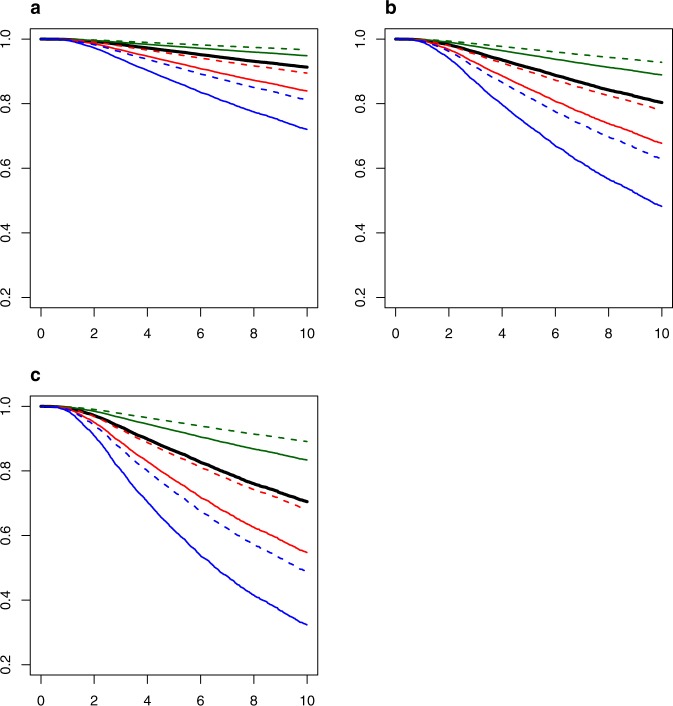
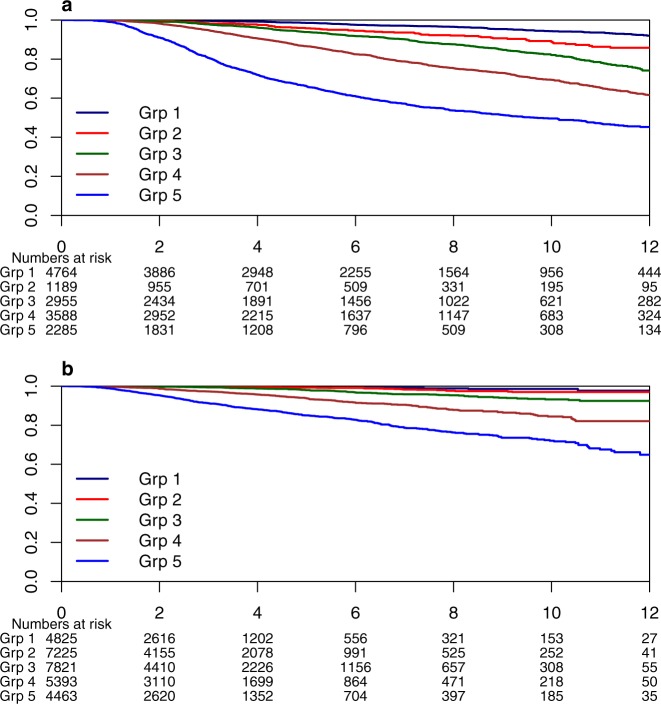
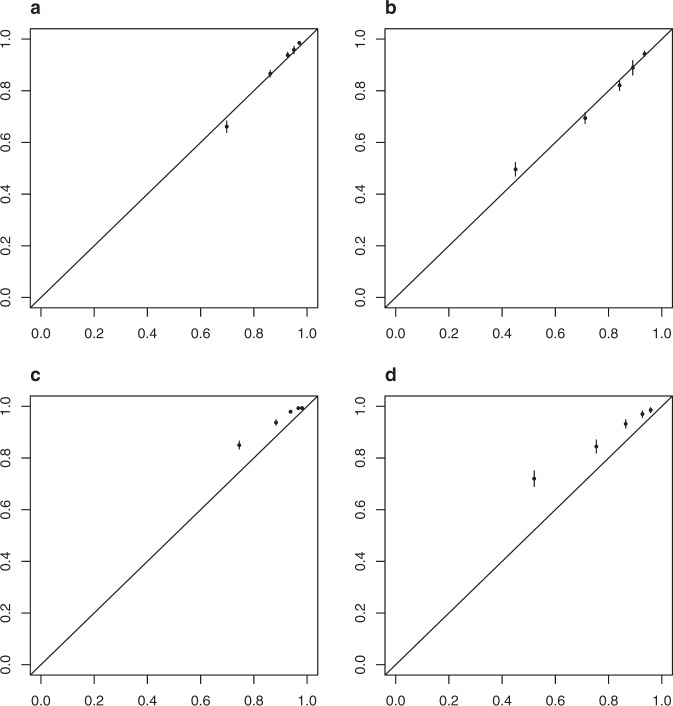
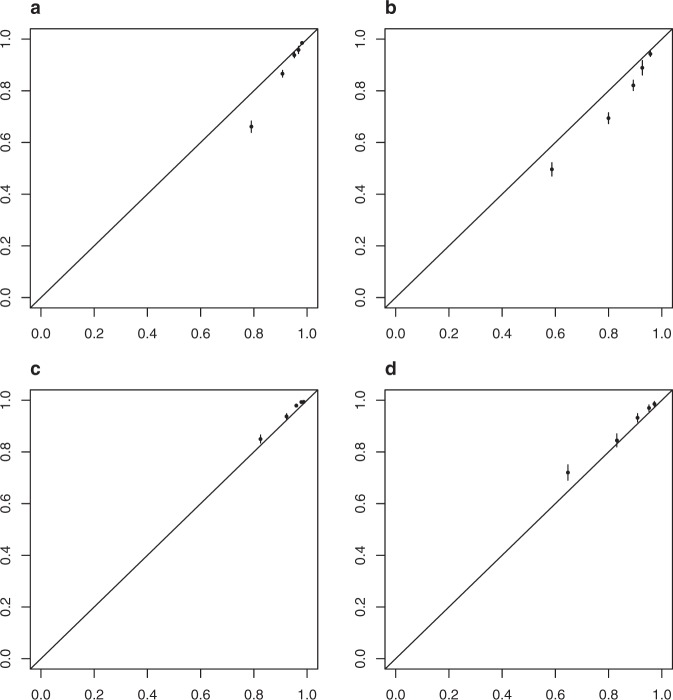
We developed prognostic models for breast cancer-specific survival (BCSS) that consider anatomic stage and other important determinants of prognosis and survival in breast cancer, such as age, grade, and receptor-based subtypes with the intention to demonstrate that these factors, conditional on stage, improve prediction of BCSS. A total of 20,928 patients with stage I-III invasive primary breast cancer treated at The University of Texas MD Anderson Cancer Center between 1990 and 2016, who received surgery as an initial treatment were identified to generate prognostic models by Fine-Gray competing risk regression model. Model predictive accuracy was assessed using Harrell's C-index. The Aalen-Johansen estimator and a selected Fine-Gray model were used to estimate the 5-year and 10-year BCSS probabilities. The performance of the selected model was evaluated by assessing discrimination and prediction calibration in an external validation dataset of 29,727 patients from the National Comprehensive Cancer Network (NCCN). The inclusion of age, grade, and receptor-based subtype in addition to stage significantly improved the model predictive accuracy (C-index: 0.774 (95% CI 0.755-0.794) vs. 0.692 for stage alone, p < 0.0001). Young age (<40), higher grade, and TNBC subtype were significantly associated with worse BCSS. The selected model showed good discriminative ability but poor calibration when applied to the validation data. After recalibration, the predictions showed good calibration in the training and validation data. More refined BCSS prediction is possible through a model that has been externally validated and includes clinical and biological factors.
Keywords: Breast cancer.
© The Author(s) 2020.
Conflict of interest statement
Competing interestsThe authors declare no competing interests.
Figures
References
-
- (NCCN) NCCN: Prostate Cancer Clinical Practice Guidelines in Oncology (2017).
-
- (NCCN) NCCN: Melanoma Clinical Practice Guidelines in Oncology (2017).
-
- (NCCN) NCCN: Soft Tissue Sarcoma Clinical Practice Guidelines (2017).
-
- Haagensen C. D. Diseases of the Breast (WB Saunders Company, 1971).
-
- Greenough RB. Varying degrees of malignancy in cancer of the breast. J. Cancer Res. 1925;9:453–463.
Publication types
Grants and funding
LinkOut - more resources
Full Text Sources
