Comparative Study
. 2020 Apr;230(4):596-602.
doi: 10.1016/j.jamcollsurg.2019.12.042.

Analysis of Plasma Products for Cellular Contaminants: Comparing Standard Preparation Methods

Affiliations
Comparative Study

Analysis of Plasma Products for Cellular Contaminants: Comparing Standard Preparation Methods

Richard R Rieske et al. J Am Coll Surg. 2020 Apr.

Abstract

Background: Recent reports suggest that component plasma products contain significant quantities of cellular contamination. We hypothesized that leukoreduction of whole blood before preparation of derived plasma is an effective method to prevent cellular contamination of stored plasma.

Study design: Samples of never-frozen liquid plasma prepared by standard methods (n = 25) were obtained from 3 regional blood centers that supply 3 major trauma centers. Samples were analyzed for leukocyte and platelet contamination by flow cytometry. To determine if leukoreduction of whole blood before centrifugation and expression of plasma prevents cellular contamination of liquid plasma, 1 site generated 6 additional units of liquid plasma from leukoreduced whole blood, which were then compared with units of liquid plasma derived by standard processing.

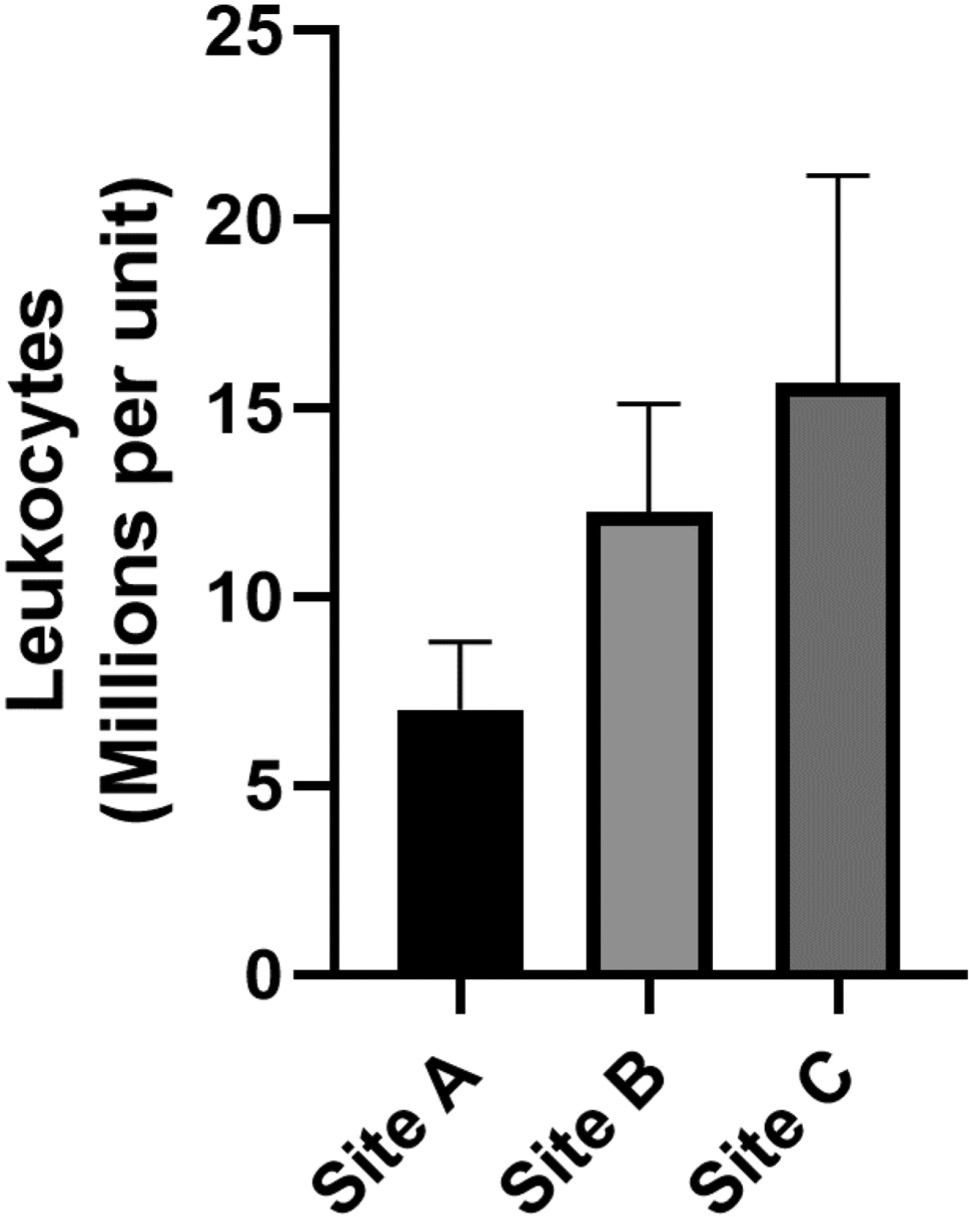
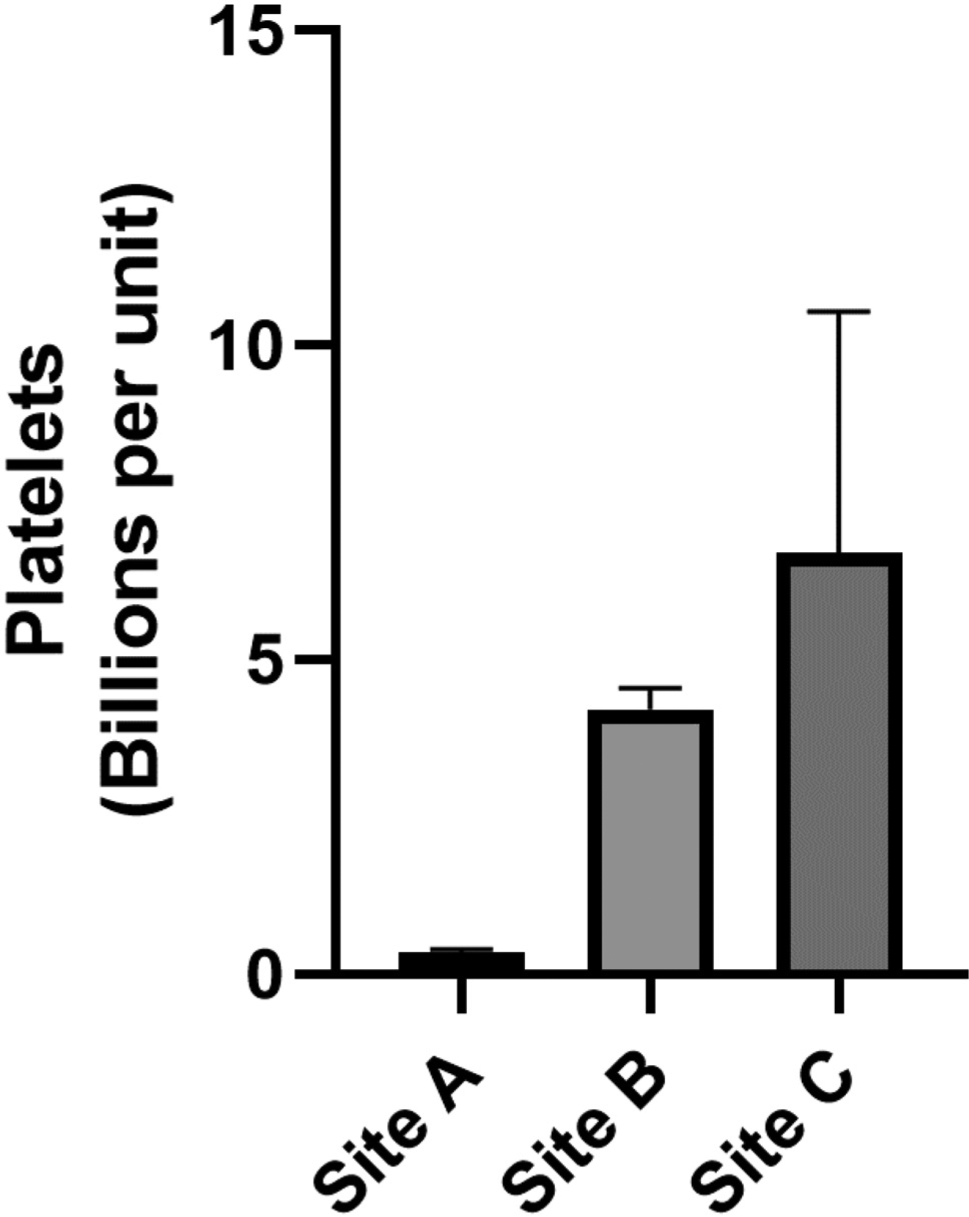
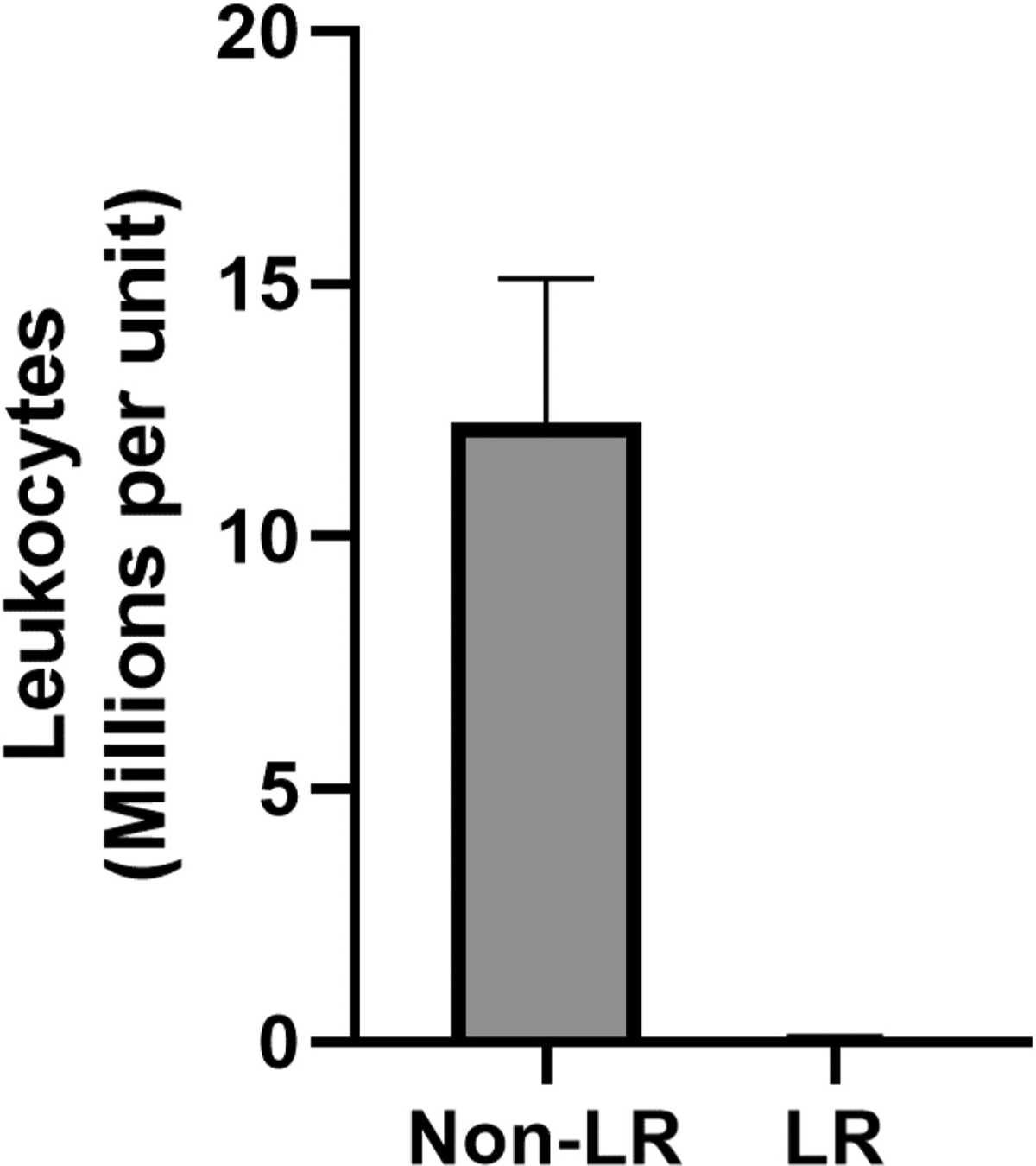
Results: Across all centers, each unit of never-frozen liquid plasma contained a mean of 12.8 ± 3.0 million leukocytes and a mean of 4.6 ± 2 billion platelets. Introduction of whole blood leukoreduction (LR) before centrifugation and plasma extraction essentially eliminated all contaminating leukocytes (Non-LR: 12.3 ± 2.9 million vs LR: 0.05 ± 0.05 million leukocytes) and platelets (Non-LR: 4.2 ± 0.3 billion platelets vs LR: 0.00 ± 0.00 billion platelets).

Conclusions: Despite widespread belief that stored plasma is functionally acellular, testing of liquid plasma from 3 regional blood banks revealed a significant amount of previously unrecognized cellular contamination. Introduction of a leukoreduction step before whole blood centrifugation essentially eliminated detectable leukocyte and platelet contaminants from plasma. Therefore, our study highlights a straightforward and cost-effective method to eliminate cellular contamination of stored plasma.


Figures

Figure 1.
Figure 1.
Leukocyte contamination of never-frozen liquid plasma.
Figure 2.
Figure 2.
Platelet contamination of never-frozen liquid plasma.
Figure 3.
Figure 3.
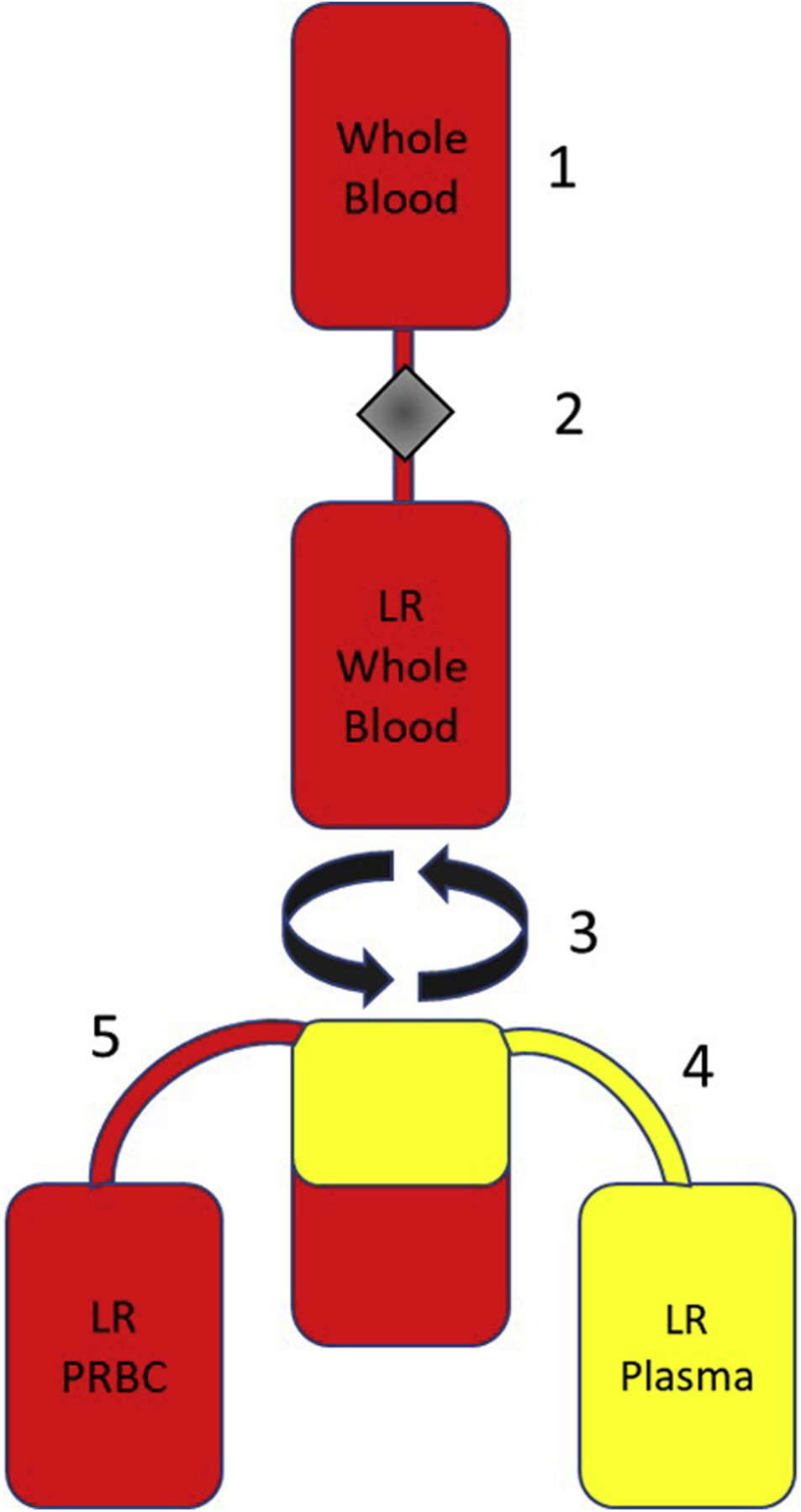
Leukoreduction (LR) of whole blood before centrifugation prevents cellular contamination of plasma units.
Figure 4.
Figure 4.
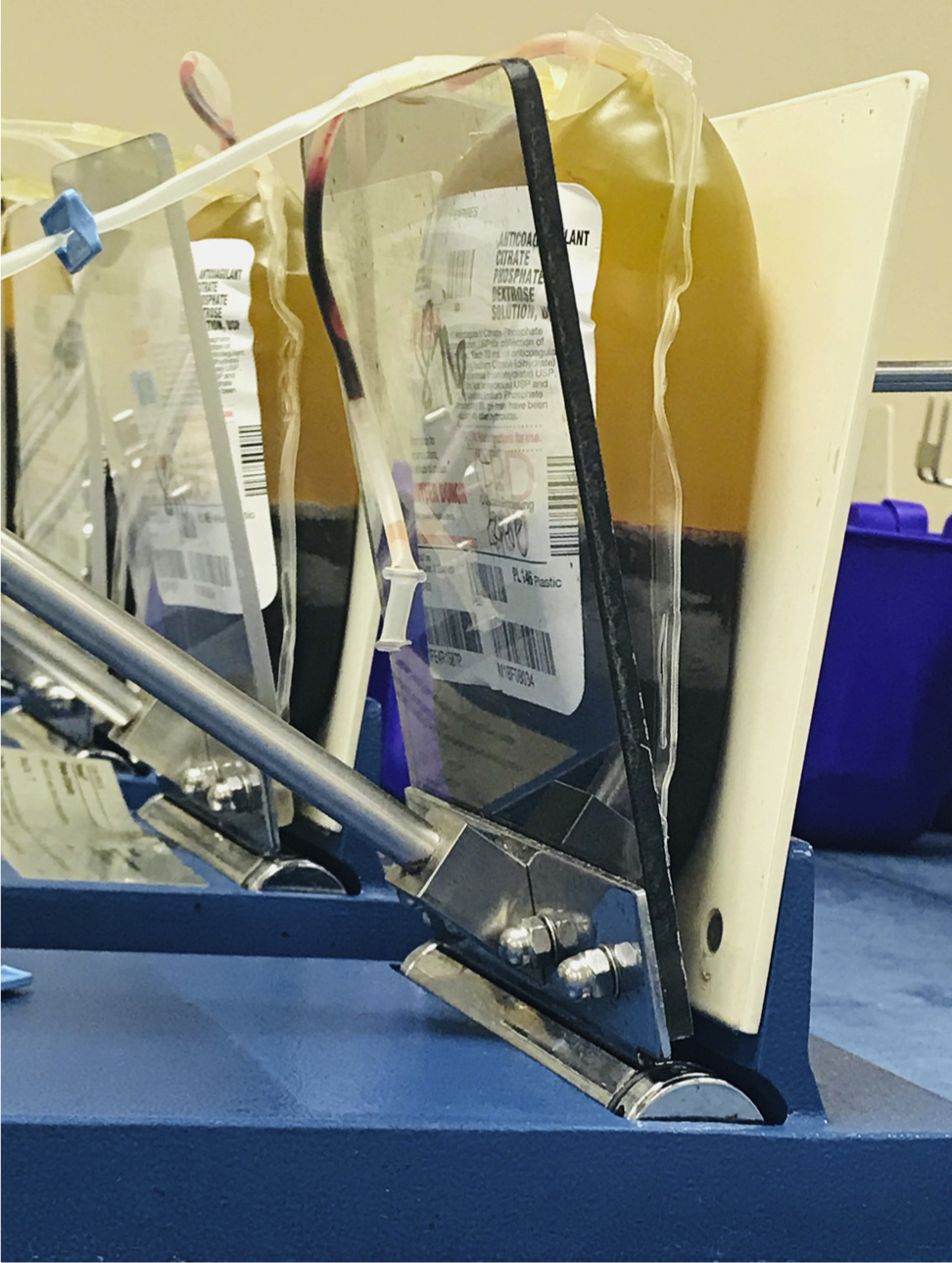
Plasma expressor.
Figure 5.
Figure 5.
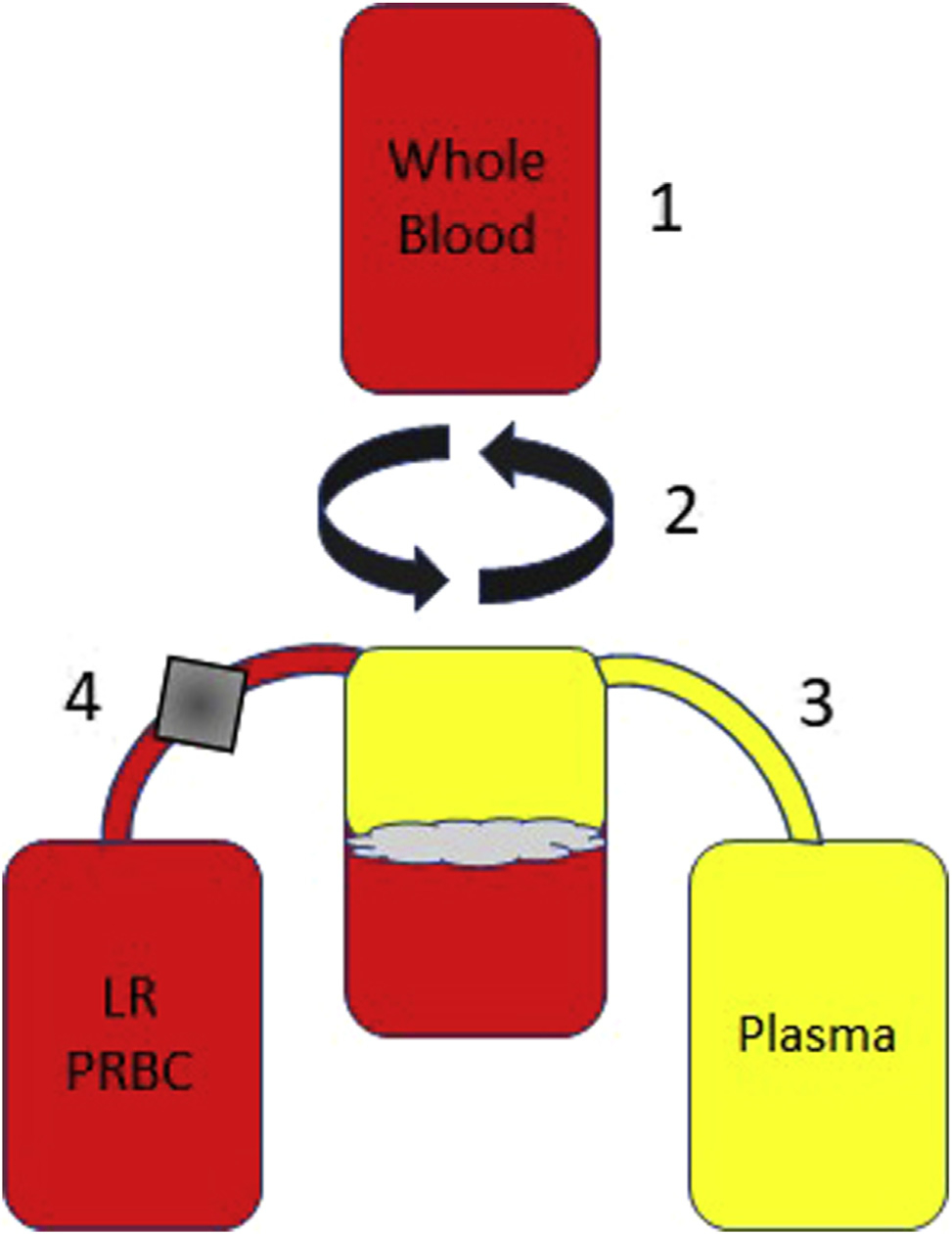
Standard method for creation of non-leukoreduction (non-LR) plasma from whole blood centrifugation. (1) Whole blood is donated, (2) the whole blood is centrifuged, causing the unit to separate into 3 layers (plasma, buffy coat, and red blood cells), (3) the plasma layer is squeezed out of the top of the bag using a plasma expresser (Fig 4), and the technician will stop the expression when cells from the buffy coat enter the line, (4) the remaining buffy coat and red blood cells are put through a cellular reduction filter (grey box represents the position of the LR filter), which removes all leukocytes and platelets. The final products of this method create a unit of LR-packed red blood cells (PRBC) and unit of non-LR plasma.
Figure 6.
Figure 6.
Method for creation of LR plasma from whole blood centrifugation. (1) Whole blood is donated, (2) the whole blood is then put through a cellular reduction filter before (3) centrifugation, which separates the LR whole blood unit into 2 distinct layers (plasma and red blood cells), (4) the plasma layer is squeezed out of the top of the bag using a plasma expresser until the red blood cells are in the line, (5) the remaining red blood cells are already LR. The final products of this method create a unit of LR-PRBC and unit of LR plasma.

Comment in

  • Discussion.
    [No authors listed] [No authors listed] J Am Coll Surg. 2020 Apr;230(4):602-604. doi: 10.1016/j.jamcollsurg.2020.02.005. J Am Coll Surg. 2020. PMID: 32220452 No abstract available.

References

    1. Bassuni WY, Blajchman MA, Al-Moshary MA. Why implement universal leukoreduction? Hematol Oncol Stem Cell Ther 2008;1:106–123. - PubMed
    1. Bordin JO, Heddle NM, Blajchman MA. Biologic effects of leukocytes present in transfused cellular blood products. Blood 1994;84:1703–1721. - PubMed
    1. Sharma RR, Marwaha N. Leukoreduced blood components: Advantages and strategies for its implementation in developing countries. Asian J Transfus Sci 2010;4:3–8. - PMC - PubMed
    1. Tan YB, Rieske RR, Audia JP, et al. Plasma transfusion products and contamination with cellular and associated proinflammatory debris. J Am Coll Surg 2019;229:252–258. - PMC - PubMed
    1. Lee YL, King MB, Gonzalez RP, et al. Blood transfusion products contain mitochondrial DNA damage-associated molecular patterns: a potential effector of transfusion-related acute lung injury. J Surg Res 2014;191:286–289. - PMC - PubMed

Publication types