


Mitochondria dysfunction and metabolic reprogramming as drivers of idiopathic pulmonary fibrosis
- PMID: 32234292
- PMCID: PMC7251240
- DOI: 10.1016/j.redox.2020.101509
Mitochondria dysfunction and metabolic reprogramming as drivers of idiopathic pulmonary fibrosis
Abstract
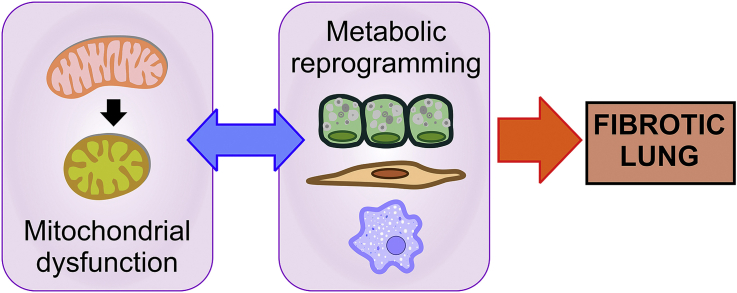
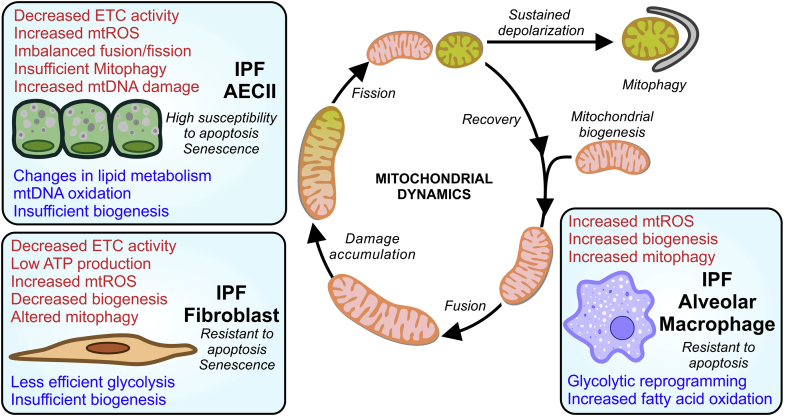
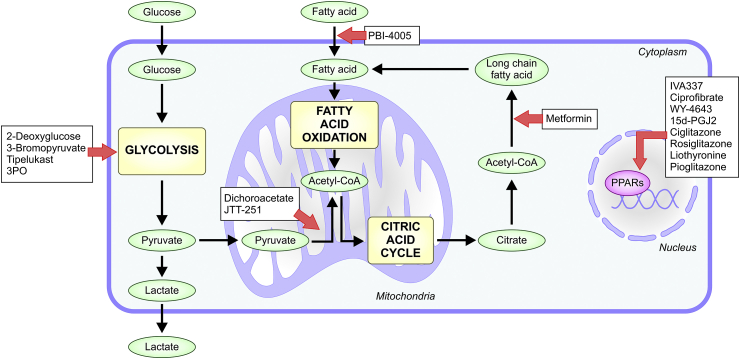
Idiopathic pulmonary fibrosis (IPF) is a devastating lung disease of unknown etiology. It is characterized by deposition of extracellular matrix proteins, like collagen and fibronectin in the lung interstitium leading to respiratory failure. Our understanding of the pathobiology underlying IPF is still incomplete; however, it is accepted that aging is a major risk factor in the disease while growing evidence suggests that the mitochondria plays an important role in the initiation and progression of pulmonary fibrosis. Mitochondria dysfunction and metabolic reprogramming had been identified in different IPF lung cells (alveolar epithelial cells, fibroblasts, and macrophages) promoting low resilience and increasing susceptibility to activation of profibrotic responses. Here we summarize changes in mitochondrial numbers, biogenesis, turnover and associated metabolic adaptations that promote disrepair and fibrosis in the lung. Finally, we highlight new possible therapeutic approaches focused on ameliorate mitochondrial dysfunction.
Keywords: Aging; Epithelial cells; Fibroblast; Fibrosis; Macrophage; Mitochondrial dysfunction.
Copyright © 2020. Published by Elsevier B.V.
Conflict of interest statement
Declaration of competing interest The authors declare that they have no known competing financial interests or personal relationships that could have appeared to influence the work reported in this paper.
Figures
References
Publication types
MeSH terms
Grants and funding
LinkOut - more resources
Full Text Sources
