A Network Pharmacology Study on the Mechanisms of the Herbal Extract, Christina Loosestrife, for the Treatment of Nephrolithiasis
- PMID: 32241963
- PMCID: PMC7154562
- DOI: 10.12659/MSM.919360
A Network Pharmacology Study on the Mechanisms of the Herbal Extract, Christina Loosestrife, for the Treatment of Nephrolithiasis
Abstract
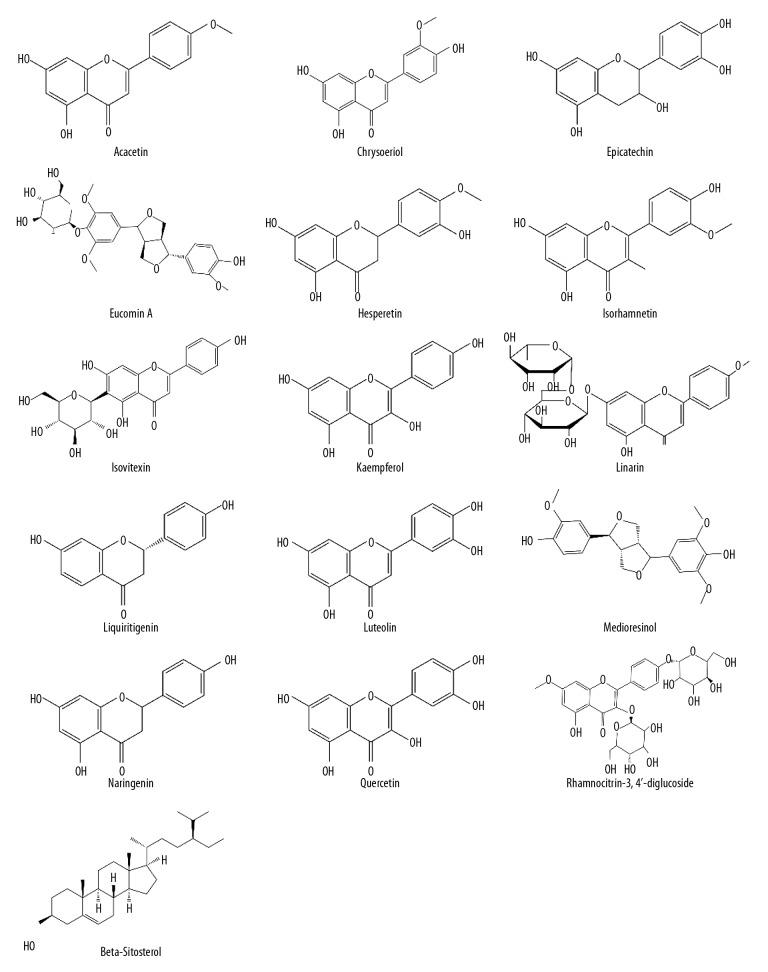
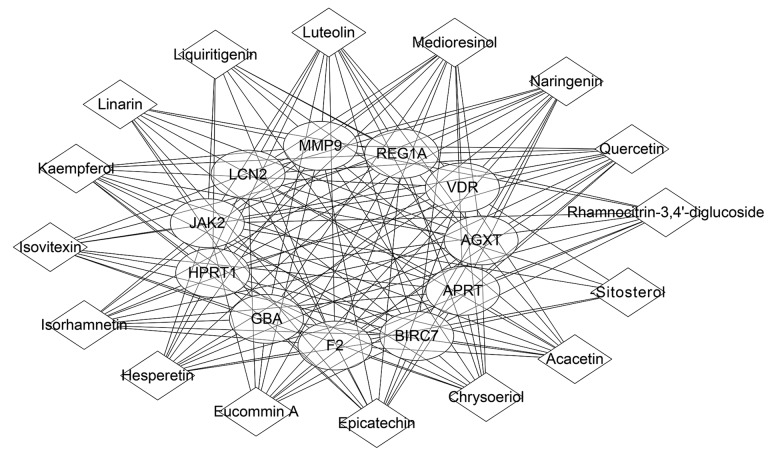
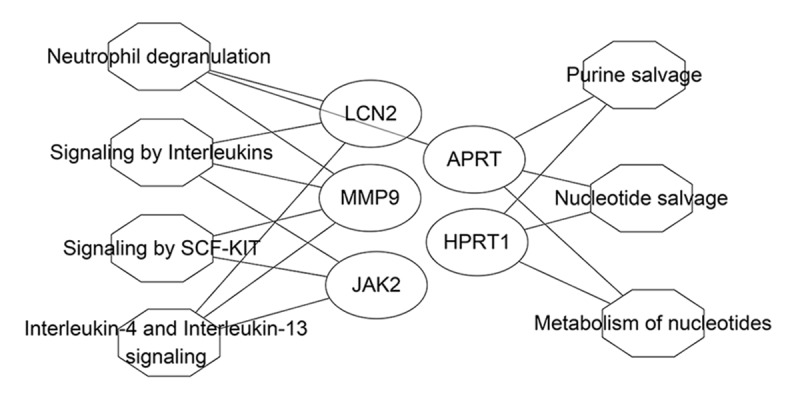
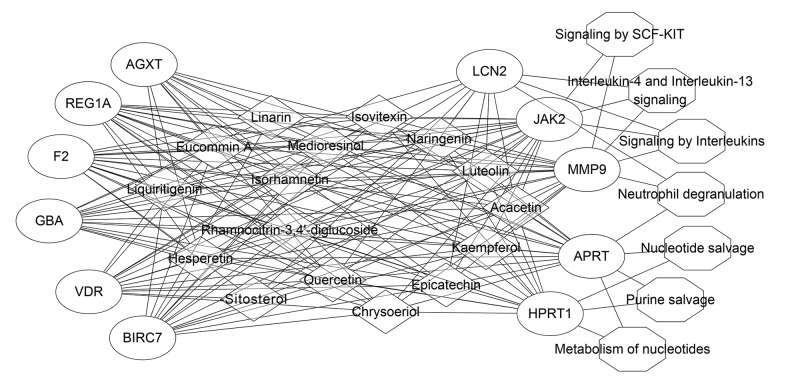
BACKGROUND This study aimed to undertake a network pharmacology analysis to identify the active compounds of the herbal extract Christina Loosestrife, or Lysimachia Christinae (Jin Qian Cao), in the treatment of nephrolithiasis. MATERIAL AND METHODS The active components of Christina Loosestrife were identified from the Traditional Chinese Medicine Systems Pharmacology (TCMSP) database and analysis platform and the online Taiwan TCM database. The potentially active compounds were screened based on their parenteral bioavailability identified from the TCMSP database. The PharmMapper integrated pharmacophore matching platform was used for target identification of active compounds in nephrolithiasis. The identified active compounds were validated by molecular docking using the systemsDock network pharmacology website. Biological functions and pathway outcomes of effective targets were analyzed using the Metascape gene annotation resource. The results were used to construct the pharmacological networks, which were visualized and integrated using Cytoscape software. RESULTS There were 16 active compounds of Christina Loosestrife and 11 nephrolithiasis-associated targets that were obtained. Functional enrichment analysis showed that Christina Loosestrife might exert its therapeutic effects by regulating pathways that included purine salvage, interleukin-4 (IL-4) and IL-13 signaling, and neutrophil degranulation. CONCLUSIONS Network pharmacology analysis of the herbal extract, Christina Loosestrife, identified multiple active compounds, targets, and pathways involved in the effects on nephrolithiasis.
Conflict of interest statement
None.
Figures

References
-
- Zeng G, Mai Z, Xia S, et al. Prevalence of kidney stones in China: An ultrasonography based cross-sectional study. BJU Int. 2017;120(1):109–16. - PubMed
-
- Huang WY, Chen YF, Carter S, et al. Epidemiology of upper urinary tract stone disease in a Taiwanese population: A nationwide, population based study. J Urol. 2013;189(6):2158–63. - PubMed
-
- Zhou J, Jin J, Li X, et al. Total flavonoids of Desmodium styracifolium attenuates the formation of hydroxy-L-proline-induced calcium oxalate urolithiasis in rats. Urolithiasis. 2018;46(3):231–41. - PubMed
-
- Miyaoka R, Monga M. Use of traditional Chinese medicine in the management of urinary stone disease. Int Braz J Urol. 2009;35(4):396–405. - PubMed
-
- Chinese Pharmacopoeia Commission. Pharmacopoeia of the People’s Republic of China (2015 edition) China Medical Science and Technology Press; Beijing, China: 2015.
MeSH terms
Substances
LinkOut - more resources
Full Text Sources