


Neural Mechanisms of Vicarious Reward Processing in Adults with Autism Spectrum Disorder
- PMID: 32257439
- PMCID: PMC7115154
- DOI: 10.1155/2020/8014248
Neural Mechanisms of Vicarious Reward Processing in Adults with Autism Spectrum Disorder
Abstract
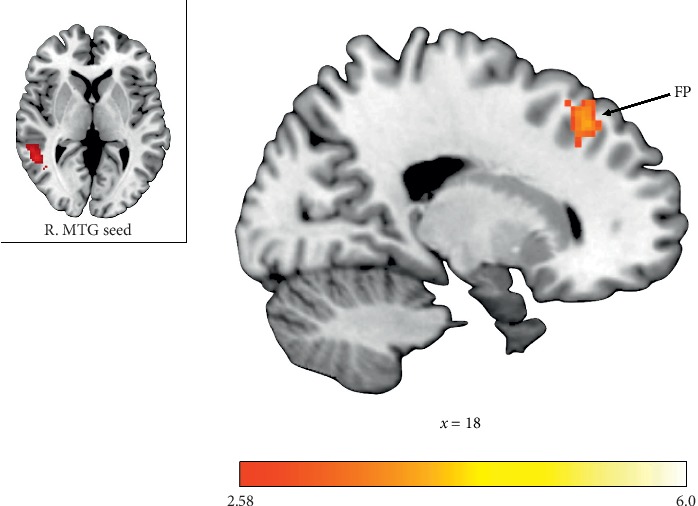
Previous studies examining the neural substrates of reward processing in ASD have explored responses to rewards for oneself but not rewards earned for others (i.e., vicarious reward). This omission is notable given that vicarious reward processing is a critical component of creating and maintaining social relationships. The current study examined the neural mechanisms of vicarious reward processing in 15 adults with ASD and 15 age- and gender-matched typically developing controls. Individuals with ASD demonstrated attenuated activation of reward-related regions during vicarious reward processing. Altered connectivity was also observed in individuals with ASD during reward receipt. These findings of altered neural sensitivity to vicarious reward processing may represent a mechanism that hinders the development of social abilities in ASD.
Copyright © 2020 Rachel K. Greene et al.
Conflict of interest statement
The authors declare that they have no conflicts of interest.
Figures



References
-
- APA. Diagnostic and Statistical Manual of Mental Disorders: DSM-V. 5th. Washington, DC, USA: American Psychiatric Association; 2013.
Grants and funding
LinkOut - more resources
Full Text Sources
