


Phospho-proteomic discovery of novel signal transducers including thioredoxin-interacting protein as mediators of erythropoietin-dependent human erythropoiesis
- PMID: 32259549
- PMCID: PMC7480993
- DOI: 10.1016/j.exphem.2020.03.003
Phospho-proteomic discovery of novel signal transducers including thioredoxin-interacting protein as mediators of erythropoietin-dependent human erythropoiesis
Abstract
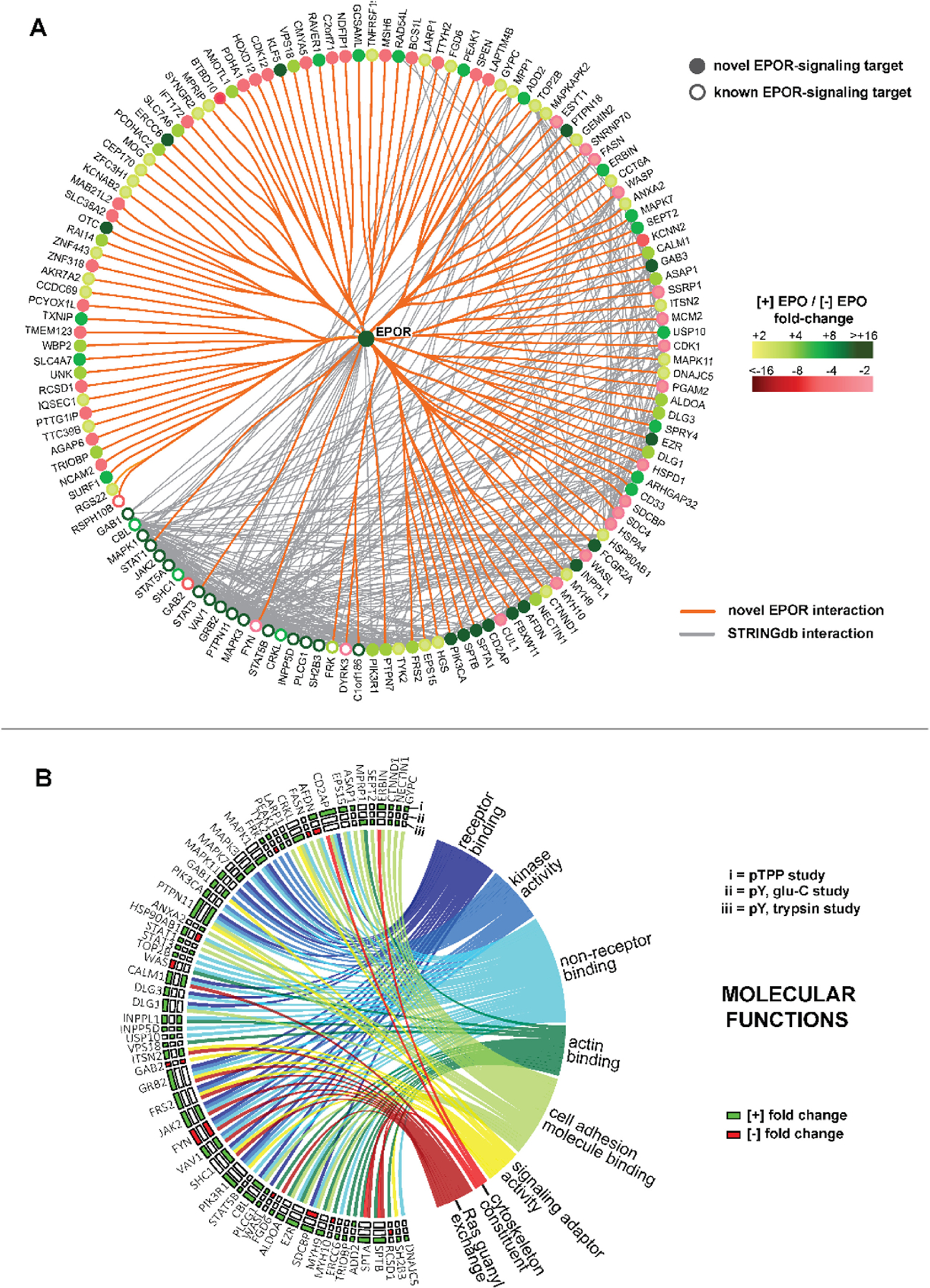
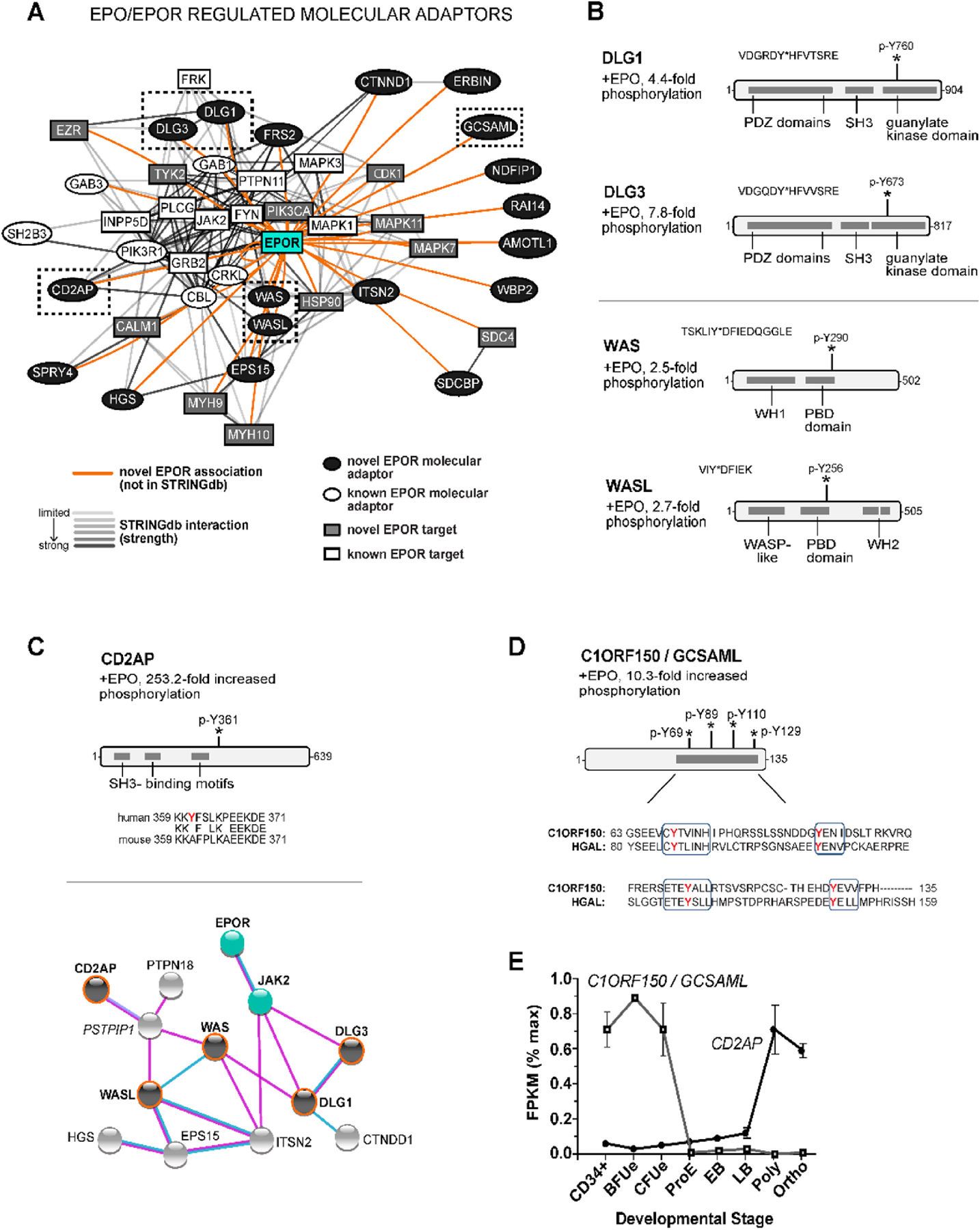
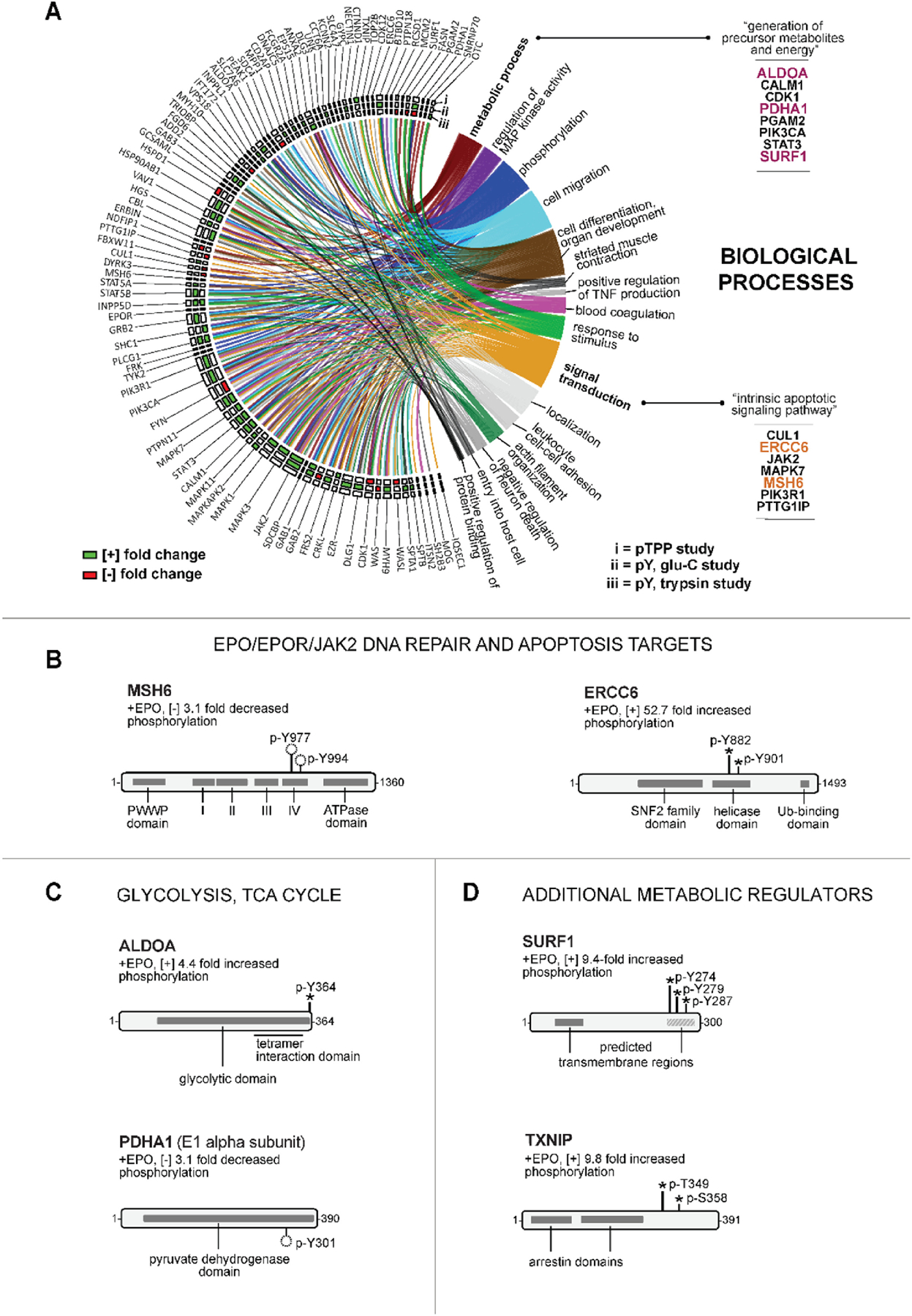
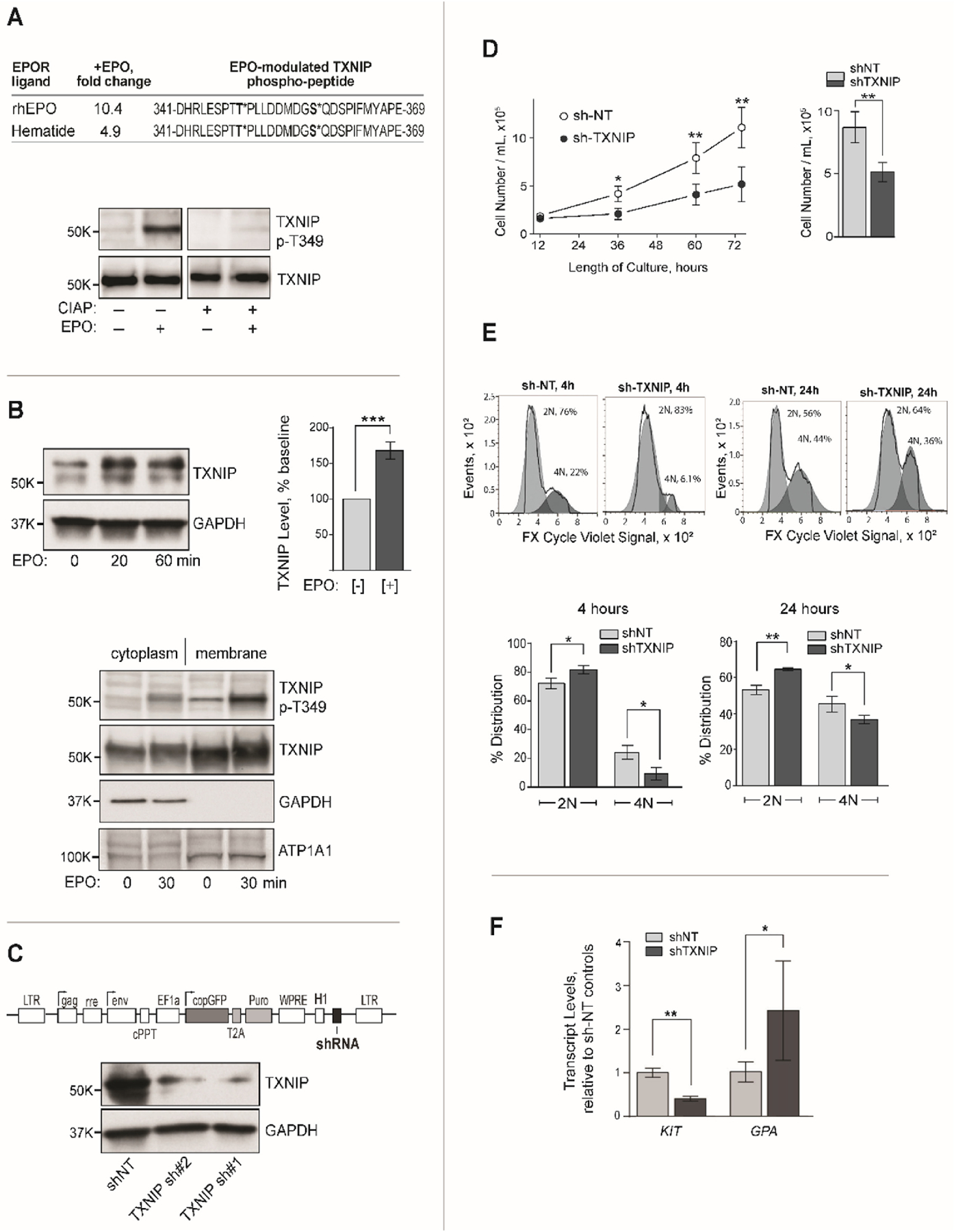
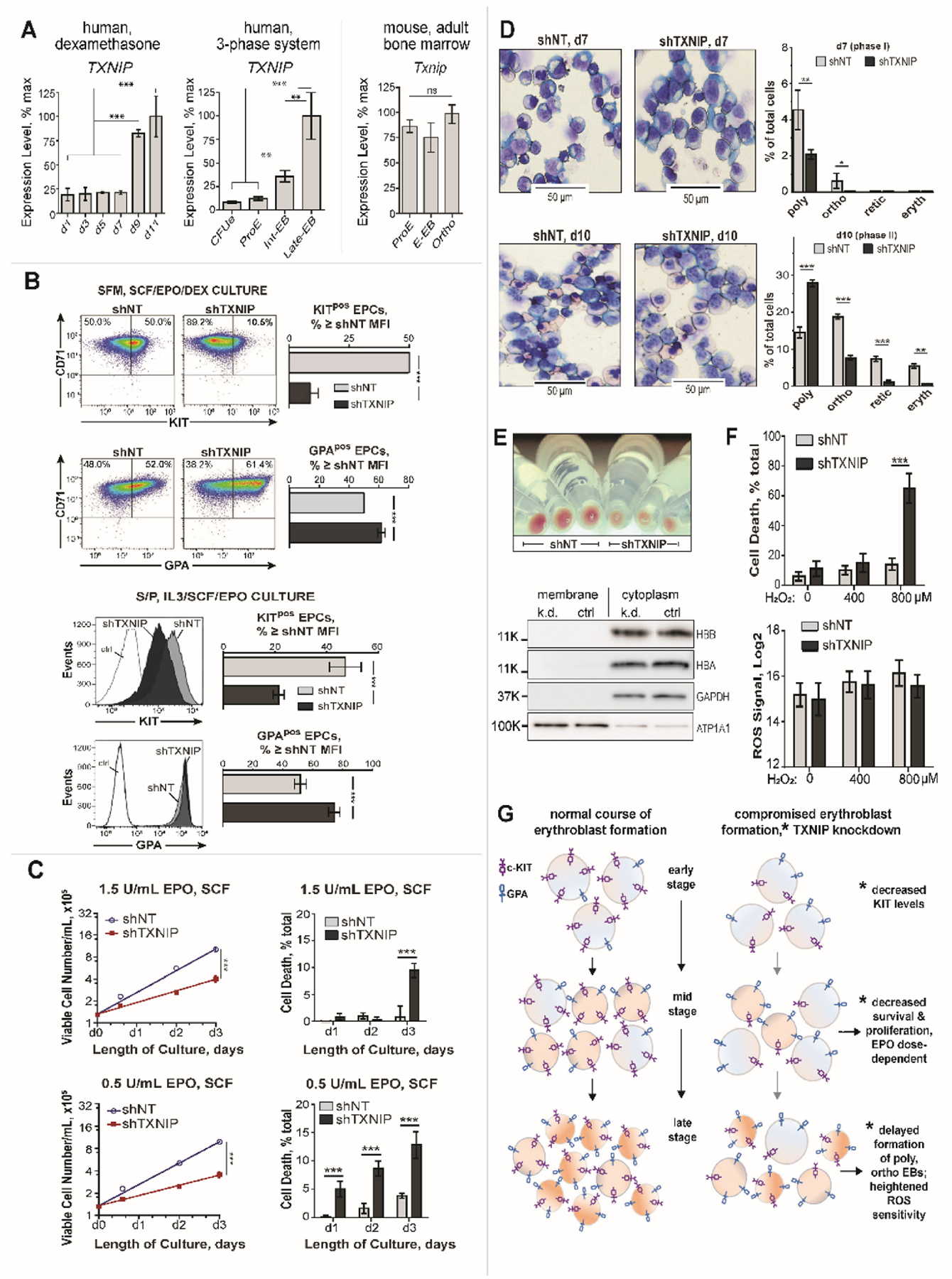
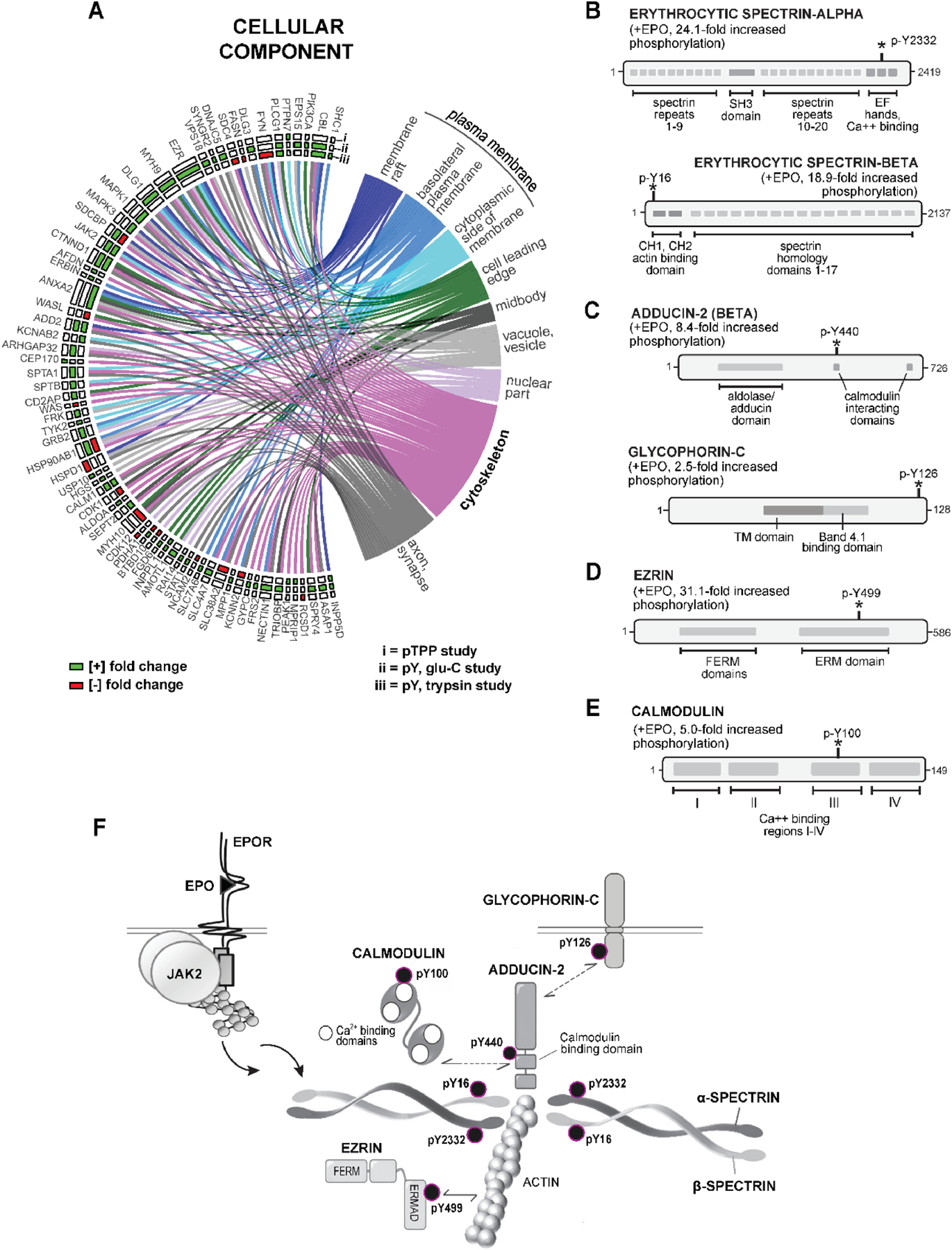
Erythroid cell formation critically depends on signals transduced via erythropoietin (EPO)/EPO receptor (EPOR)/JAK2 complexes. This includes not only core response modules (e.g., JAK2/STAT5, RAS/MEK/ERK), but also specialized effectors (e.g., erythroferrone, ASCT2 glutamine transport, Spi2A). By using phospho-proteomics and a human erythroblastic cell model, we identify 121 new EPO target proteins, together with their EPO-modulated domains and phosphosites. Gene ontology (GO) enrichment for "Molecular Function" identified adaptor proteins as one top EPO target category. This includes a novel EPOR/JAK2-coupled network of actin assemblage modifiers, with adaptors DLG-1, DLG-3, WAS, WASL, and CD2AP as prime components. "Cellular Component" GO analysis further identified 19 new EPO-modulated cytoskeletal targets including the erythroid cytoskeletal targets spectrin A, spectrin B, adducin 2, and glycophorin C. In each, EPO-induced phosphorylation occurred at pY sites and subdomains, which suggests coordinated regulation by EPO of the erythroid cytoskeleton. GO analysis of "Biological Processes" further revealed metabolic regulators as a likewise unexpected EPO target set. Targets included aldolase A, pyruvate dehydrogenase α1, and thioredoxin-interacting protein (TXNIP), with EPO-modulated p-Y sites in each occurring within functional subdomains. In TXNIP, EPO-induced phosphorylation occurred at novel p-T349 and p-S358 sites, and was paralleled by rapid increases in TXNIP levels. In UT7epo-E and primary human stem cell (HSC)-derived erythroid progenitor cells, lentivirus-mediated short hairpin RNA knockdown studies revealed novel pro-erythropoietic roles for TXNIP. Specifically, TXNIP's knockdown sharply inhibited c-KIT expression; compromised EPO dose-dependent erythroblast proliferation and survival; and delayed late-stage erythroblast formation. Overall, new insight is provided into EPO's diverse action mechanisms and TXNIP's contributions to EPO-dependent human erythropoiesis.
Copyright © 2020 ISEH -- Society for Hematology and Stem Cells. Published by Elsevier Inc. All rights reserved.
Conflict of interest statement
Conflict of interest disclosure The authors declare no competing interests.
Figures

References
-
- Wu H, Liu X, Jaenisch R, Lodish HF. Generation of committed erythroid BFU-E and CFU-E progenitors does not require erythropoietin or the erythropoietin receptor. Cell. 1995;83(1):59–67. - PubMed
-
- Stauder R, Valent P, Theurl I. Anemia at older age: etiologies, clinical implications, and management. Blood. 2018;131(5):505–514. - PubMed
Publication types
MeSH terms
Substances
Grants and funding
LinkOut - more resources
Full Text Sources
Research Materials
Miscellaneous
