


Primrose syndrome: Characterization of the phenotype in 42 patients
- PMID: 32266967
- PMCID: PMC7384157
- DOI: 10.1111/cge.13749
Primrose syndrome: Characterization of the phenotype in 42 patients
Abstract
Primrose syndrome (PS; MIM# 259050) is characterized by intellectual disability (ID), macrocephaly, unusual facial features (frontal bossing, deeply set eyes, down-slanting palpebral fissures), calcified external ears, sparse body hair and distal muscle wasting. The syndrome is caused by de novo heterozygous missense variants in ZBTB20. Most of the 29 published patients are adults as characteristics appear more recognizable with age. We present 13 hitherto unpublished individuals and summarize the clinical and molecular findings in all 42 patients. Several signs and symptoms of PS develop during childhood, but the cardinal features, such as calcification of the external ears, cystic bone lesions, muscle wasting, and contractures typically develop between 10 and 16 years of age. Biochemically, anemia and increased alpha-fetoprotein levels are often present. Two adult males with PS developed a testicular tumor. Although PS should be regarded as a progressive entity, there are no indications that cognition becomes more impaired with age. No obvious genotype-phenotype correlation is present. A subgroup of patients with ZBTB20 variants may be associated with mild, nonspecific ID. Metabolic investigations suggest a disturbed mitochondrial fatty acid oxidation. We suggest a regular surveillance in all adult males with PS until it is clear whether or not there is a truly elevated risk of testicular cancer.
Keywords: ZBTB20; Primrose syndrome; alpha-fetoprotein; ectopic calcifications; overgrowth.
© 2020 The Authors. Clinical Genetics published by John Wiley & Sons Ltd.
Conflict of interest statement
The authors declare no potential conflict of interest.
Figures
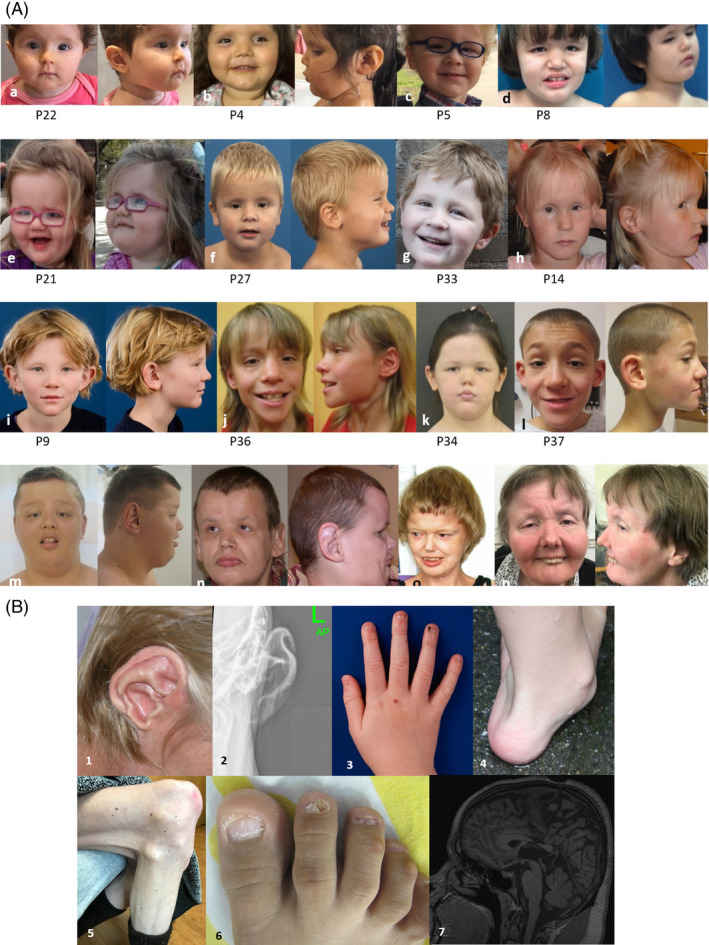
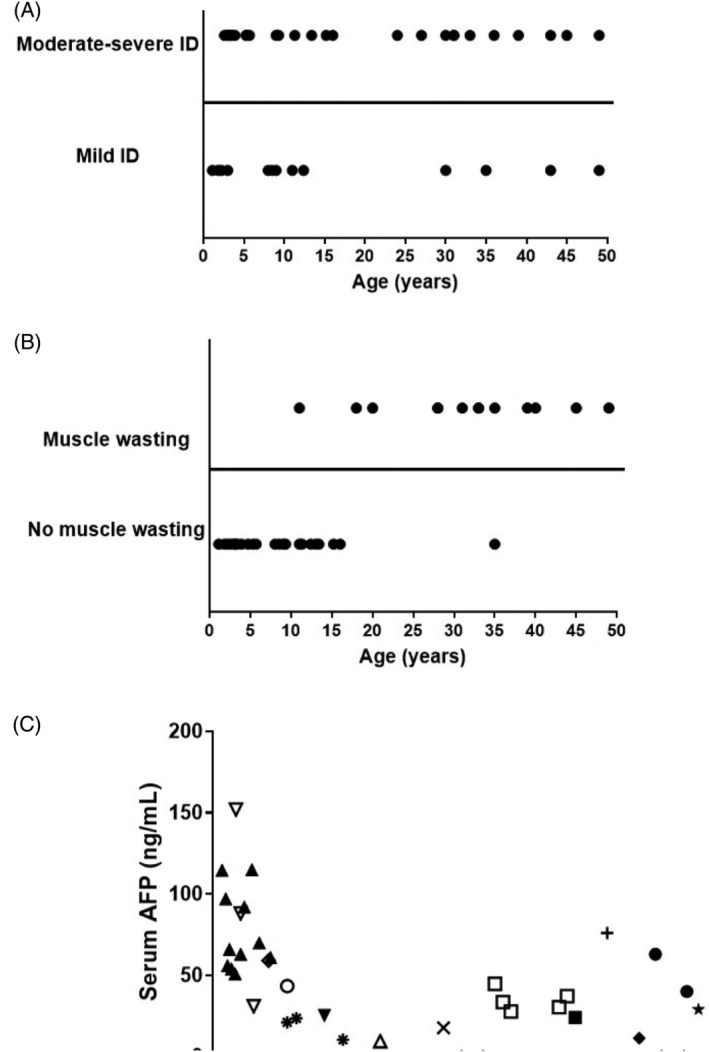
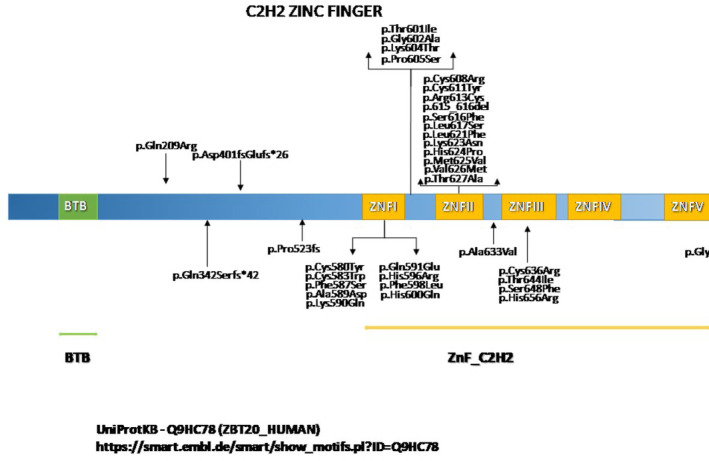
References
-
- Primrose DA. A slowly progressive degenerative condition characterized by mental deficiency, wasting of limb musculature and bone abnormalities, including ossification of the pinnae. J Ment Defic Res. 1982;26(Pt 2):101‐106. - PubMed
-
- Collacott RA, O'Malley BP, Young ID. The syndrome of mental handicap, cataracts, muscle wasting and skeletal abnormalities: report of a second case. J Ment Defic Res. 1986;30:301‐308. - PubMed
-
- Lindor NM, Hoffman AD, Primrose DA. A neuropsychiatric disorder associated with dense calcification of the external ears and distal muscle wasting: Primrose syndrome. Clin Dysmorphol. 1996;5:27‐34. - PubMed
-
- Battisti C, Dotti MT, Cerase A, et al. The Primrose syndrome with progressive neurological involvement and cerebral calcification. J Neurol. 2002;249:1466‐1468. - PubMed
-
- Mathijssen IB, van Hasselt‐van der Velde J, Hennekam RC. Testicular cancer in a patient with Primrose syndrome. Eur J Med Genet. 2006;49:127‐133. - PubMed
Publication types
MeSH terms
Substances
Supplementary concepts
LinkOut - more resources
Full Text Sources
Medical
