


Analysis of Clinical and Laboratory Findings of Idiopathic Sudden Sensorineural Hearing Loss
- PMID: 32269282
- PMCID: PMC7142108
- DOI: 10.1038/s41598-020-63046-z
Analysis of Clinical and Laboratory Findings of Idiopathic Sudden Sensorineural Hearing Loss
Abstract
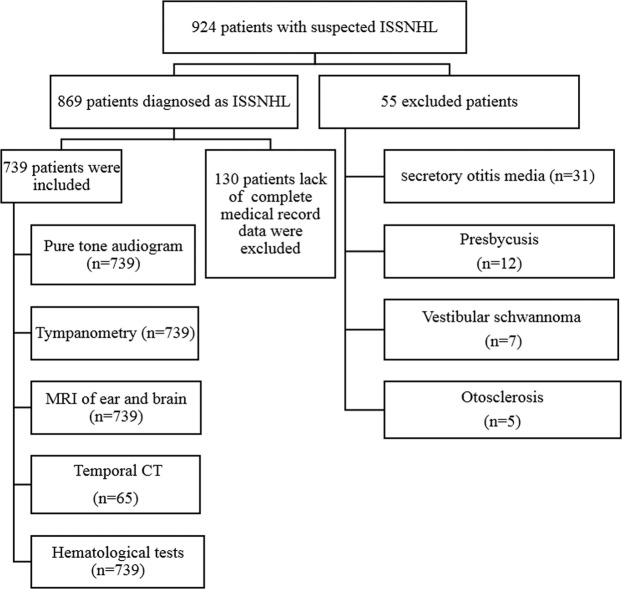
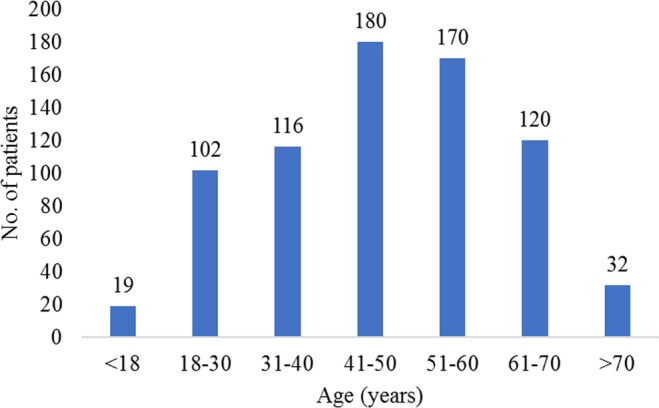
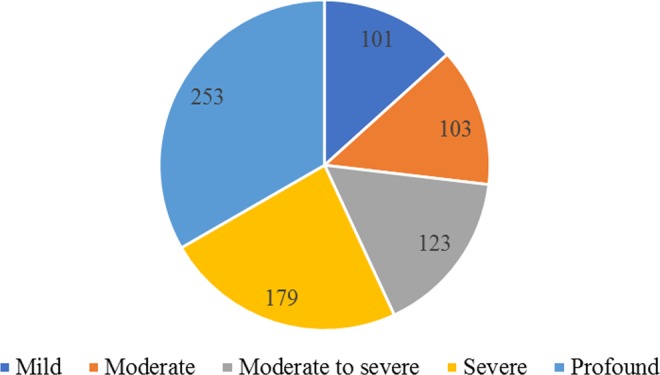
Idiopathic sudden sensorineural hearing loss (ISSNHL) is an emergency disease requiring immediate diagnosis and treatment. The incidence of ISSNHL in the Western countries' population was estimated to 5-20 per 100,000 inhabitants. The etiology of ISSNHL remains unknown. Its pathogenesis is most often suggested to be due to a disturbed microcirculation and infection. Previous studies have reported that comorbidities, including hypertension, diabetes mellitus (DM), and hyperfibrinogenemia are risk factors of ISSNHL. This study aimed at investigating the clinical characteristics, laboratory parameters and comorbidities of patients with ISSNHL. Our study suggests that the annual incidence of ISSNHL in China mainland is 19 per 100 000. The clinical characteristics and prevalence of comorbidities of ISSNHL patients are different according to age distribution and hearing results. Moreover, the patients with vertigo, hypertension, DM and high TG suffered more often from severe hearing loss compared with the counterparts. This indicates that the cardiovascular and metabolic diseases (hypertension and hyperlipidemia) appeared to be closely associated with the occurrence and severity of ISSNHL.
Conflict of interest statement
The authors declare no competing interests.
Figures
References
Publication types
MeSH terms
LinkOut - more resources
Full Text Sources
Medical
Miscellaneous
