


A systematic review of the behaviour change techniques and digital features in technology-driven type 2 diabetes prevention interventions
- PMID: 32269830
- PMCID: PMC7093696
- DOI: 10.1177/2055207620914427
A systematic review of the behaviour change techniques and digital features in technology-driven type 2 diabetes prevention interventions
Abstract
Objectives: Our aim was to conduct a systematic review to determine which technology-driven diabetes prevention interventions were effective in producing clinically significant weight loss, and to identify the behaviour change techniques and digital features frequently used in effective interventions.
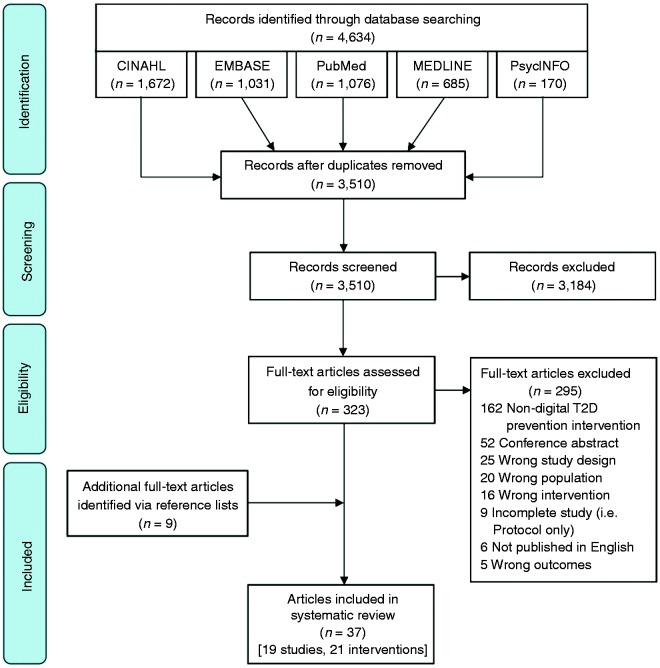
Methods: We searched five databases (CINAHL, EMBASE, MEDLINE, PsychINFO, and Pubmed) from inception to September 2018 and reviewed 19 experimental and non-experimental studies of 21 technology-driven diet plus physical activity interventions for adults (≥18 years) at risk of developing type 2 diabetes. Behaviour change techniques were coded using the BCT taxonomy v1, and digital features were identified via thematic analysis of intervention descriptions.
Results: Sixty-three per cent of interventions were effective in the short term (achieving ≥3% weight loss at ≤6 months), using an average of 5.6 more behaviour change techniques than non-effective interventions, and 33% were effective in the long term (achieving ≥5% weight loss at ≥12 months), using 3.7 more behaviour change techniques than non-effective interventions. The techniques of social support (unspecified), goal setting (outcome/behaviour), feedback on behaviour, and self-monitoring of outcome(s) of behaviour were identified in over 90% of effective interventions. Interventions containing digital features that facilitated health and lifestyle education, behaviour/outcome tracking, and/or online health coaching were most effective.
Conclusion: The integration of specific behaviour change techniques and digital features may optimise digital diabetes prevention interventions to achieve clinically significant weight loss. Additional research is needed to identify the mechanisms in which behaviour change techniques and digital features directly influence physical activity, dietary behaviours, and intervention engagement.
Keywords: Systematic review; diabetes prevention; diet; digital health; health behaviour change; physical activity; type 2 diabetes; weight loss.
© The Author(s) 2020.
References
-
- Ogurtsova K, da Rocha Fernandes J, Huang Y, et al. IDF Diabetes Atlas: Global estimates for the prevalence of diabetes for 2015 and 2040. Diabetes Res Clin Pract 2017; 128: 40–50. - PubMed
-
- Alberti KGMM, Zimmet P, Shaw J. International Diabetes Federation: A consensus on Type 2 diabetes prevention. Diabet Med 2007; 24: 451–63. - PubMed
-
- Yach D, Stuckler D, Brownell KD. Epidemiologic and economic consequences of the global epidemics of obesity and diabetes. Nat Med 2006; 12: 62. - PubMed
-
- Pan X-R, Li G-W, Hu Y-H, et al. Effects of diet and exercise in preventing NIDDM in people with impaired glucose tolerance: The Da Qing IGT and diabetes study. Diabetes Care 1997; 20: 537–44. - PubMed
Publication types
LinkOut - more resources
Full Text Sources
Medical
