. 2020 Apr;15(2):301-325.

PAST, CURRENT AND FUTURE INTERVENTIONAL ORTHOBIOLOGICS TECHNIQUES AND HOW THEY RELATE TO REGENERATIVE REHABILITATION: A CLINICAL COMMENTARY

Affiliations

PAST, CURRENT AND FUTURE INTERVENTIONAL ORTHOBIOLOGICS TECHNIQUES AND HOW THEY RELATE TO REGENERATIVE REHABILITATION: A CLINICAL COMMENTARY

Christopher J Centeno et al. Int J Sports Phys Ther. 2020 Apr.

Abstract

Interventional orthobiologics is changing the landscape of orthopedic medicine. Various methods exist for treatment of many different musculoskeletal pathologies. Candidacy for such injections remains a debated topic, and current research is underway for stratifying the patients that would be most successful for certain techniques. Described in this commentary are the various methods of interventional orthobiologic techniques available such as: prolotherapy, platelet rich plasma (PRP), mesenchymal stromal cells (MSCs), culture-expanded MSCs and amniotic-based products. Here we review the healing cascade and how this relates to the application of the various injectates and rehabilitation protocols. In conclusion, there exists orthobiologic techniques for the healing of a multitude of musculoskeletal ailments, from ligamentous instabilities/tears, tendon derangements and osteoarthritis, however candidacy grades continue to be an area for discussion as to which type of treatment is the most beneficial, and which rehabilitation protocols are required. More randomized controlled trials and comparative analyses are needed for direct correlative conclusions for which interventional orthobiologic treatment and rehabilitation protocol is best after each respective treatment.

Level of evidence: 5.

Keywords: Platelet Rich Plasma (PRP); Stem Cells; mesenchymal stromal cells (MSCs); orthobiologics; orthopedic medicine; regenerative medicine; regenerative rehabilitation.


Conflict of interest statement

Conflicts of interest: CC is a shareholder and CMO of Regenexx, LLC and president and owner of the Centeno-Schultz Clinic. SP has declared no competing interests.

Figures
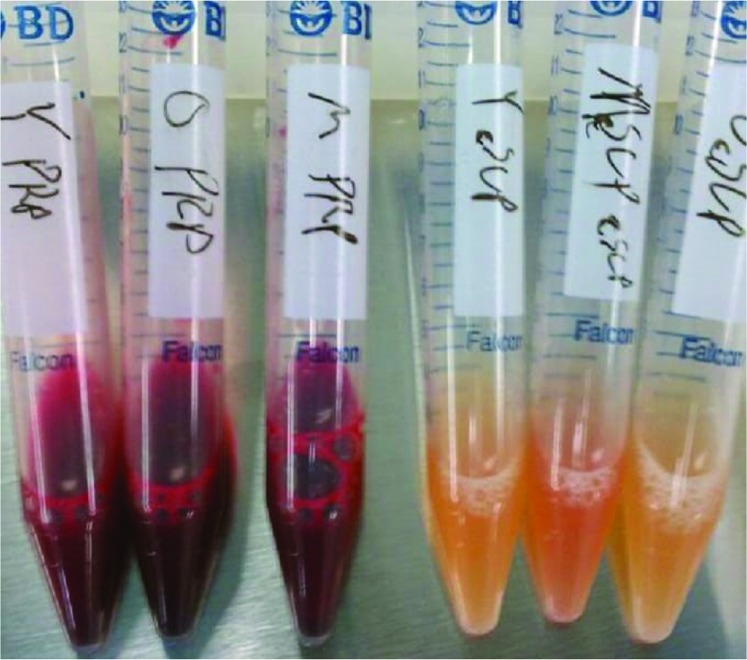
Figure 1.
Figure 1.
Vials on the left of picture are red LR-PRP which has high concentration of platelets and also contains RBCs and WBCs. The amber colored vials on the right of the picture are LP-PRP without the RBCs or WBCs which contains the concentrated platelets as well. Used with permission from Centeno-Schultz Clinic.
Figure 2.
Figure 2.
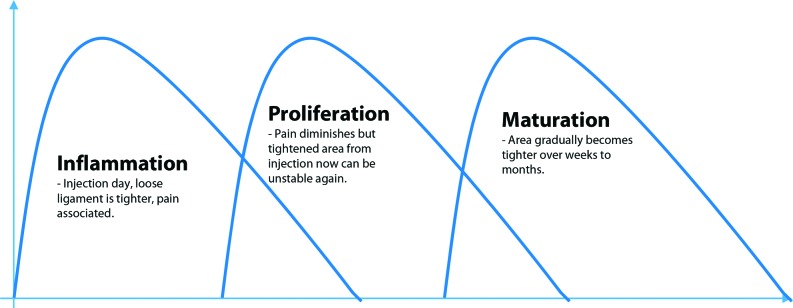
Depicts the healing cascade as it relates to healing after a PRP injection.
Figure 3.
Figure 3.
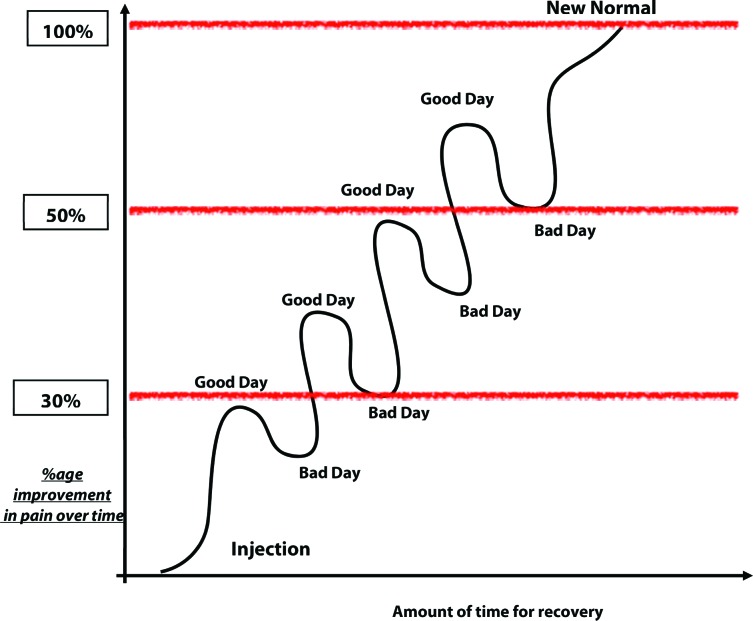
Describes the ebb and flow of recovery after a PRP or Stem cell injection. There will be “Good” days and “Bad” days but the natural course will slowly progress to a decrease in pain, and tightening of the ligament and tendon. PRP has a shorter time course than stem cell treatments, however every patient varies on recovery rate.
Figure 4.
Figure 4.
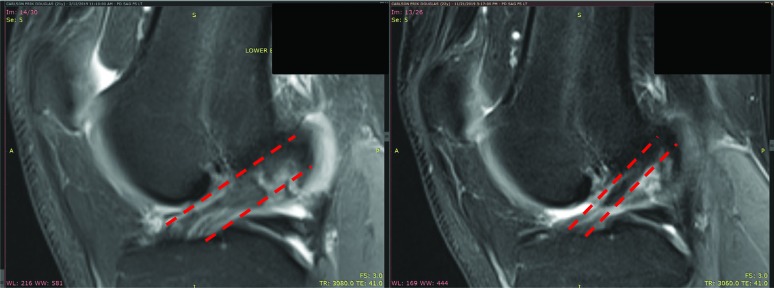
Pre and post MRI 9 months apart from Bone marrow stem cell injection into ACL and surrounding knee structures. Copyright release of photograph obtained during patient evaluation.
Figure 5.
Figure 5.
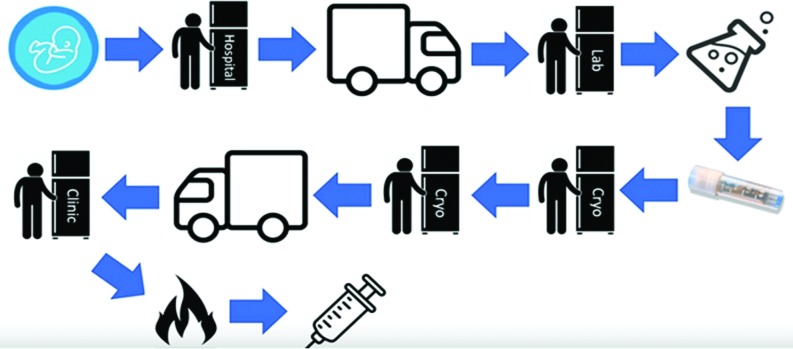
The process that amniotic products go through prior to injection.
Figure 6.
Figure 6.
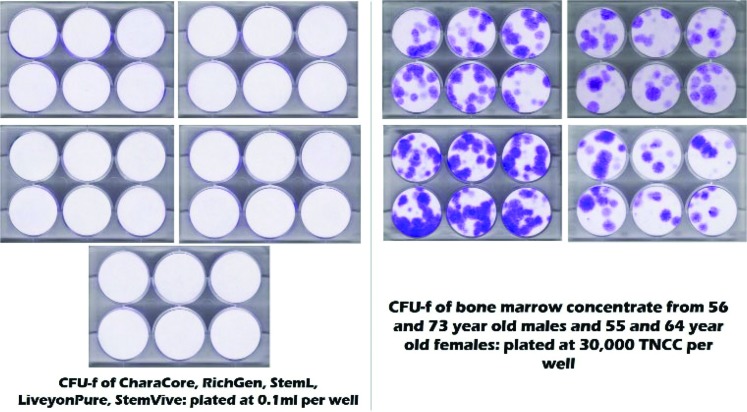
Assessment of colony forming units (CFU-F, aka, MSC colonies) which are the purple dots on the right, and absent on the left. The left side demonstrates the absence of nucleated cells. TNCC = total nucleated cell count. Used with permission from Centeno-Schultz Clinic.
Figure 7.
Figure 7.
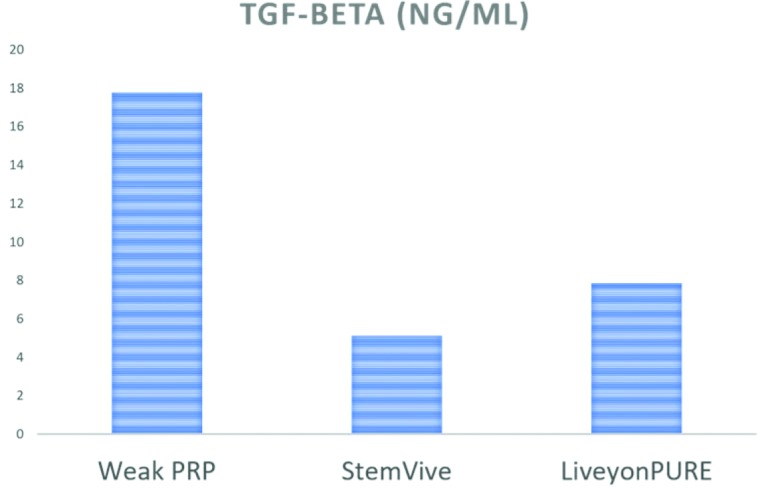
Transforming Growth Factor (TGF-beta) demonstrated higher amounts in a weak PRP formulation than in two amniotic products: StemVive and Liveyon Pure. Used with permission from the Centeno-Schultz Clinic.
Figure 8.
Figure 8.
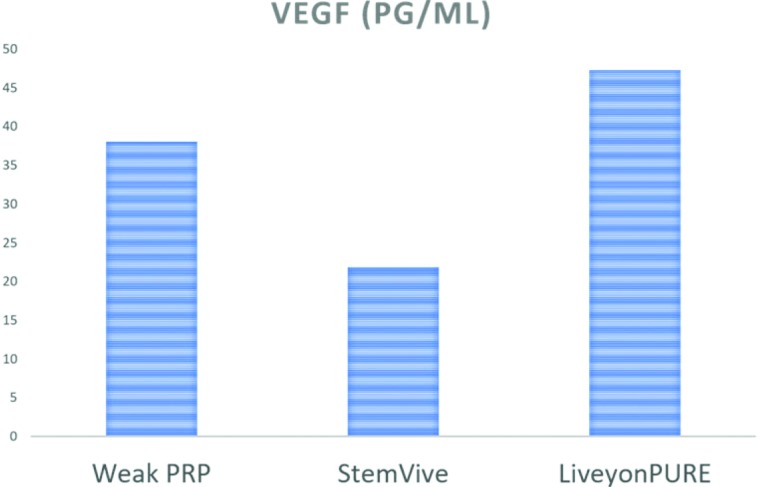
Vascular Endothelial Growth Factor (VEGF) higher contents in Liveyon Pure > PRP 2x > StemVive. Used with permission from the Centeno-Schultz Clinic.
Figure 9.
Figure 9.
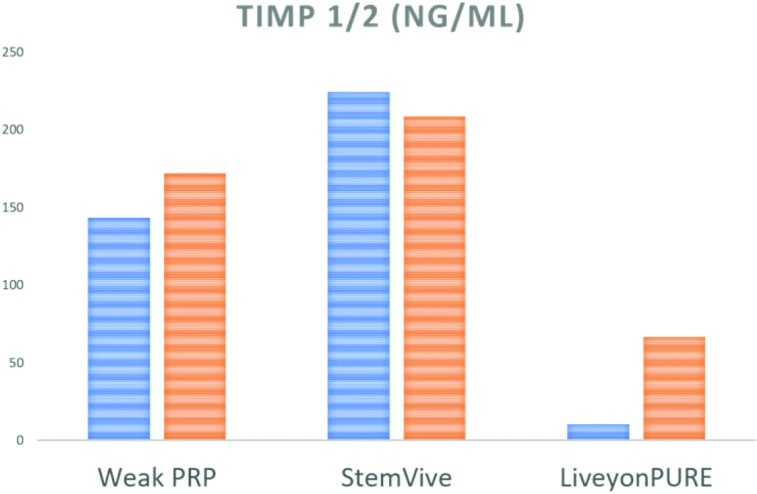
Tissue Inhibitor of MetalloProteinases (TIMP) 1 in blue and 2 in orange are noted to be highest in StemVive > PRP2x > Liveyon Pure. Used with permission from the Centeno-Schultz Clinic.
Figure 10.
Figure 10.
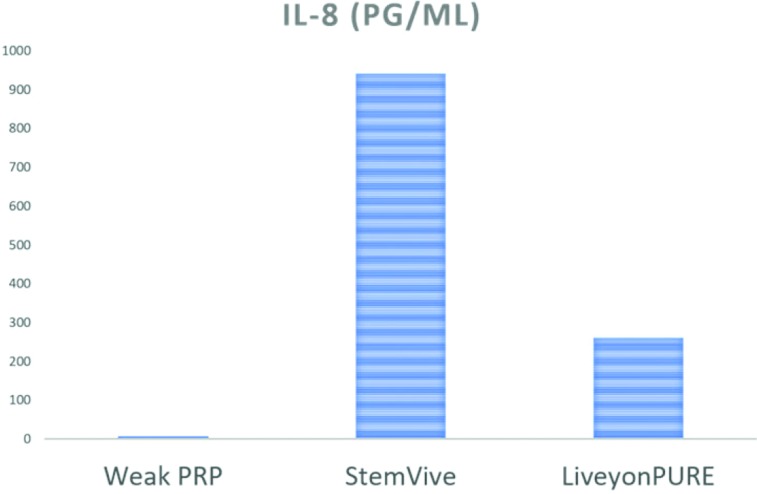
Interleukin-8 (IL-8), an inflammatory cytokine, ideally would need to be low to nonexistent, and StemVive had the most followed by LiveyonPure, then Weak PRP. Used with permission from the Centeno-Schultz Clinic.
Figure 11.
Figure 11.
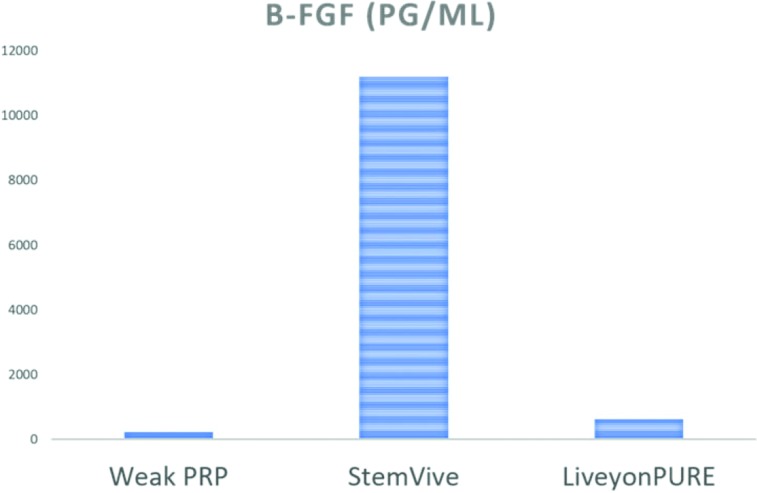
bFGF, a positive growth factor for tendon healing, StemVive had the greatest content with Weak PRP and Liveyon Pure demonstrating minimal content. Used with permission from the Centeno-Schultz Clinic.
Figure 12.
Figure 12.
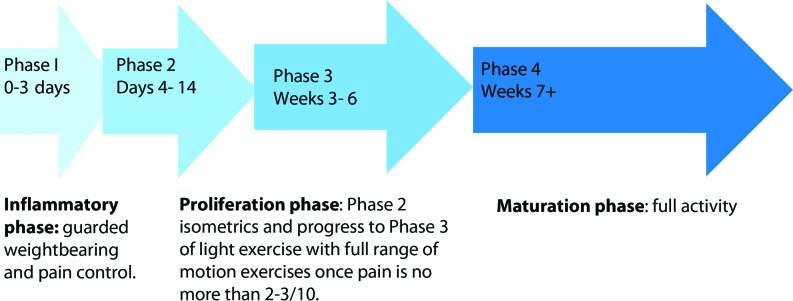
General phases of healing summarizing the regenerative rehabilitation process.
Figure 13.
Figure 13.
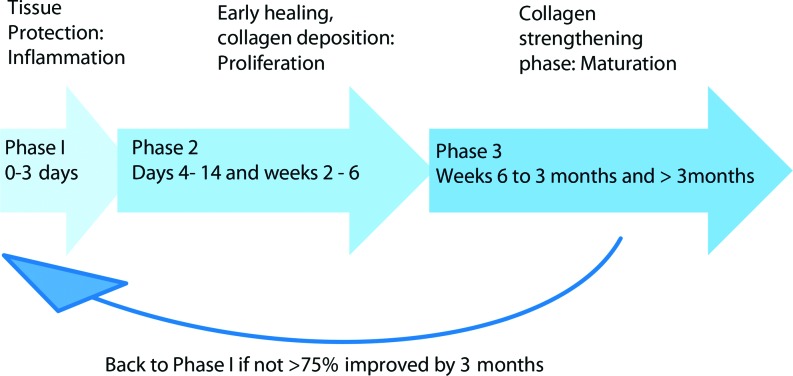
Three proposed phases of rehabilitation after PRP injection for tendinopathy healing.

References

    1. Regenerative Rehabilitation. Secondary Regenerative Rehabilitation 11/7/2017 2017. http://www.apta.org/RegenerativeRehab/.
    1. Ng JL Kersh ME Kilbreath S Knothe Tate M. Establishing the basis for mechanobiology-based physical therapy protocols to potentiate cellular healing and tissue regeneration. Front Physiol. 2017;8:303 10.3389/fphys.2017.00303[published Online First Epub Date]|. - PMC - PubMed
    1. Thompson WR Scott A Loghmani MT Ward SR Warden SJ. Understanding mechanobiology: Physical therapists as a force in mechanotherapy and musculoskeletal regenerative rehabilitation. Phys Ther. 2016;96(4):560-9. - PMC - PubMed
    1. Wang Y McNamara LM Schaffler MB Weinbaum S. A model for the role of integrins in flow induced mechanotransduction in osteocytes. Proc Natl Acad Sci. 2007;104(40):15941-6. - PMC - PubMed
    1. Head PL. Rehabilitation considerations in regenerative medicine. Phys Med Rehabil Clin N Am. 2016;27(4):1043-54. - PubMed

LinkOut - more resources