


Inequality in measles vaccination coverage in the "big six" countries of the WHO South-East Asia region
- PMID: 32271649
- PMCID: PMC7482855
- DOI: 10.1080/21645515.2020.1736450
Inequality in measles vaccination coverage in the "big six" countries of the WHO South-East Asia region
Abstract
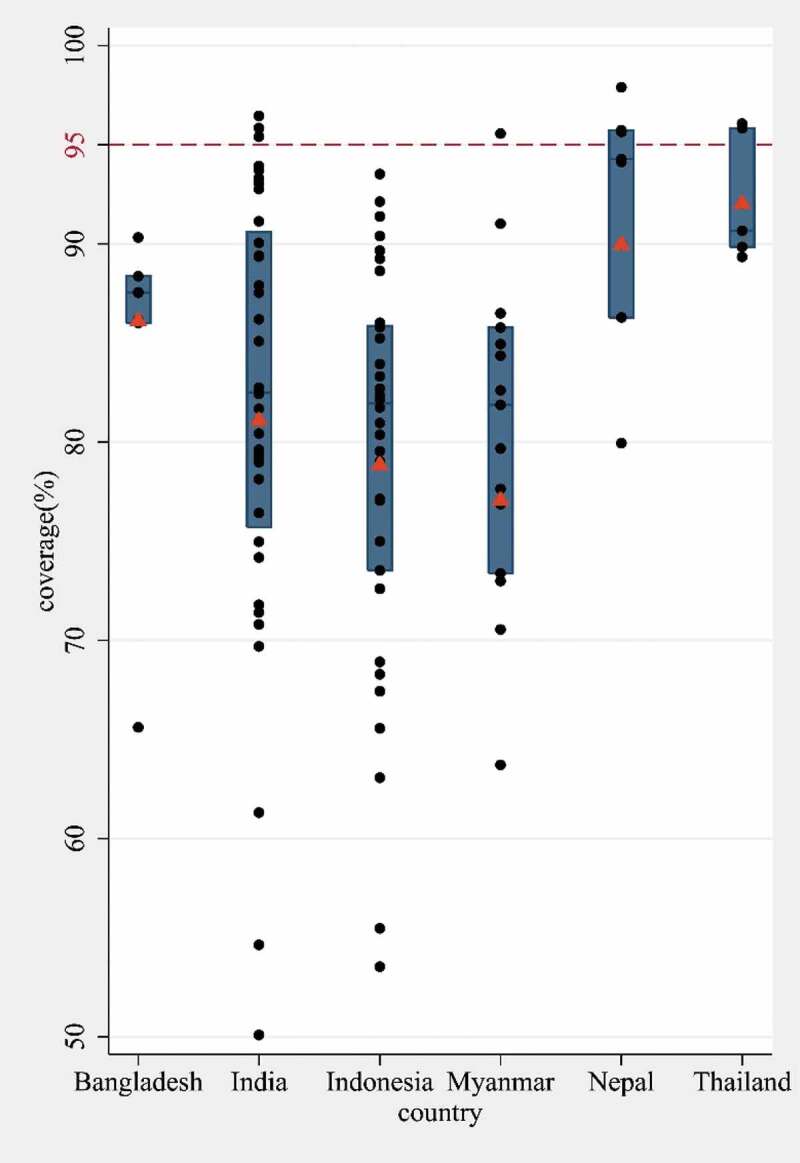
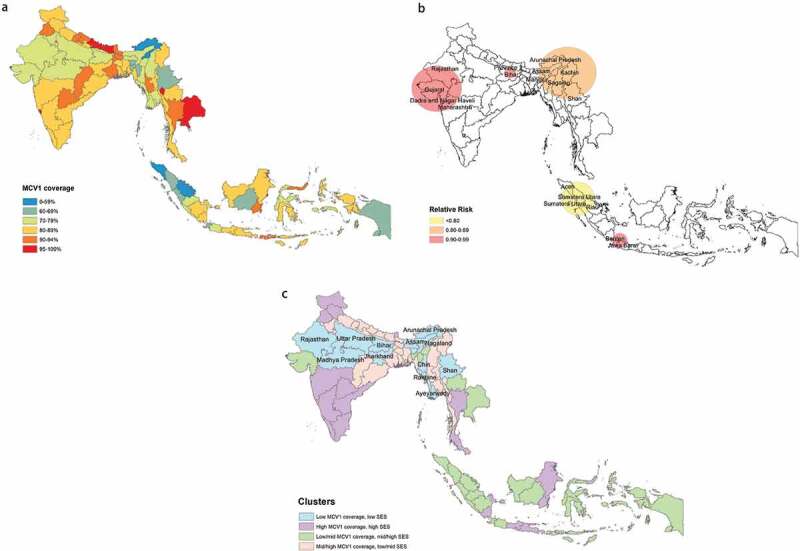
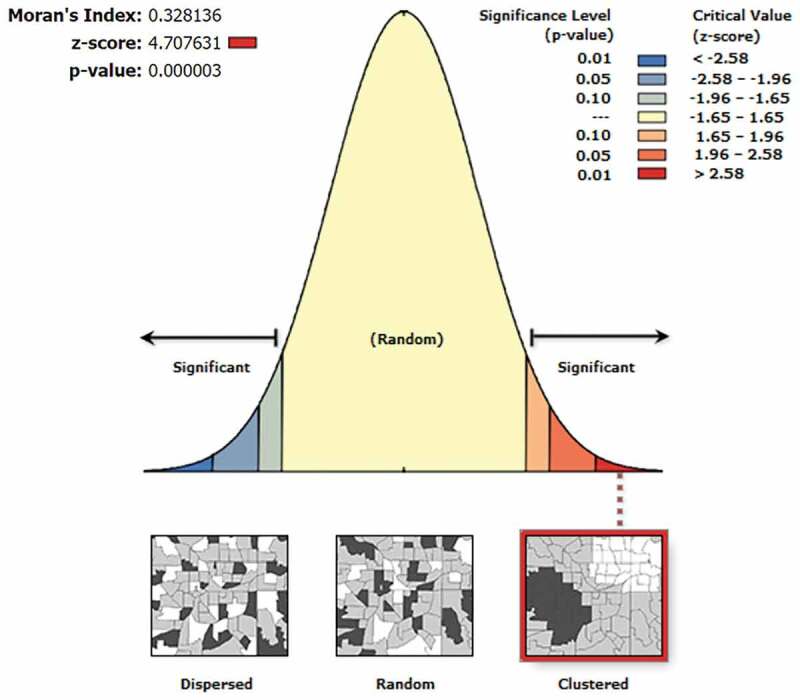
The "big six" countries (Bangladesh, India, Indonesia, Myanmar, Nepal, and Thailand) in the World Health Organization South-East Asia Region (WHO SEAR) are currently facing severe challenges in measles elimination and consequent childhood mortality reduction, with inadequacies and inequalities in the coverage of the measles-containing-vaccine first-dose (MCV1) being major obstacles. However, these issues of inequality in MCV1 coverage have not yet been systematically examined. We used data from the latest Demographic and Health Surveys and Multiple Indicator Cluster Surveys. To provide a comprehensive picture of existing MCV1 coverage gaps, data were disaggregated by geographic location, as well as by socioeconomic and nutritional dimensions. National MCV1 coverage ranged from 77% in Myanmar to 92% in Thailand. Only nine of the 104 sub-national districts had achieved the 95% MCV1 coverage goal as set by the WHO. Geographic inequalities were more pronounced in countries with lower coverage levels. Areas in clusters with poor MCV1 coverage performances as well as disadvantaged socioeconomic profiles require increased attention. Inequalities were evident in all countries, except Thailand, and were more pronounced in the sectors of wealth, education, antenatal care (ANC) status, and vitamin A supplementation (VAS) when compared against the areas of gender and urban/rural residence. Wealth-related inequality in Bangladesh, education-related inequality in Indonesia, ANC-related inequalities in Myanmar and Nepal, and VAS-related inequalities in Indonesia and Myanmar were all noteworthy. Equity-oriented changes in policies focusing on health promotion and integrated interventions among disadvantaged populations need to be implemented in order to increase MCV1 coverage and reduce childhood mortality.
Keywords: Southeast Asia; child health; equity; measles; vaccines.
Figures
References
-
- World Health Organization . 2015. Global vaccine action plan 2011–2020; [accessed 2019 May 25]. http://www.who.int/immunization/global_vaccine_action_plan/GVAP_doc_2011....
-
- World Health Organization Regional Office for South-East Asia . WHO South-East Asia Regional Immunization Technical Advisory Group (SEAR-ITAG): Report of the Ninth Meeting; 2018 July 17–20; New Delhi, India. [accessed 2019 June10]. http://www.who.int/iris/handle/10665/277458.
-
- World Health Organization Regional Office for South-East Asia . DPR Korea, Timor-Leste eliminate measles, six countries in WHO South-East Asia achieve rubella control. [accessed 2019 June10]. http://www.searo.who.int/mediacentre/releases/2018/1693/en/.
-
- World Health Organization Regional Office for South-East Asia . Lessons from the Big Six – closing the immunity gap for measles elimination and rubella/CRS control. New Delhi (India); 2018.
MeSH terms
Substances
LinkOut - more resources
Full Text Sources
Medical
