


Case Reports
doi: 10.1002/ccr3.2695.
eCollection 2020 Apr.
Intestinal necrosis after co-administration of sodium polystyrene sulfonate and activated charcoal
Affiliations
- PMID: 32274045
- PMCID: PMC7141745
- DOI: 10.1002/ccr3.2695
Item in Clipboard
Case Reports
Intestinal necrosis after co-administration of sodium polystyrene sulfonate and activated charcoal
Clin Case Rep.
.
Abstract
Development of acute abdominal pain after Kayexalate and activated charcoal administration should prompt clinician to consider intestinal necrosis. Concomitant use should be avoided to minimize the risk of this devastating but preventable condition.
Keywords: activated charcoal; end‐stage renal disease; intentional drug overdose; kayexalate; kidney transplant.
© 2020 The Authors. Clinical Case Reports published by John Wiley & Sons Ltd.
Conflict of interest statement
None.
Figures
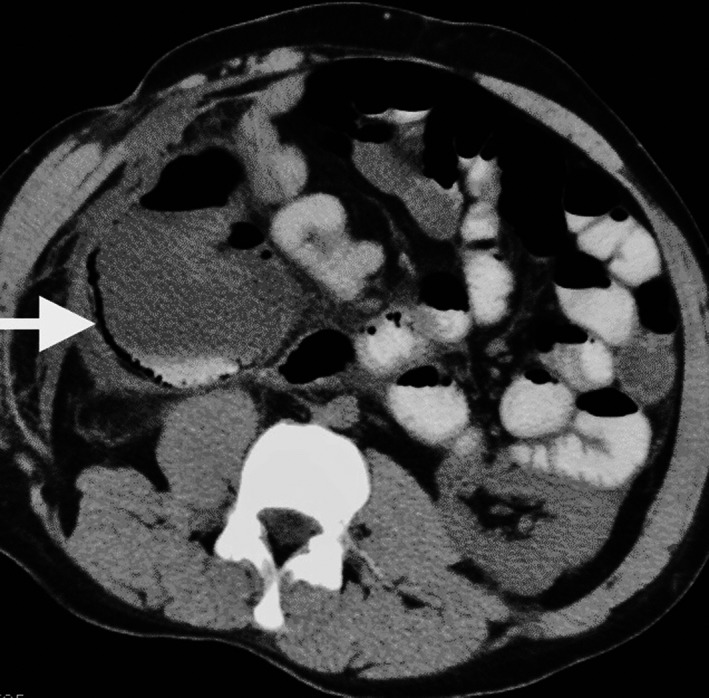
CT abdomen and pelvis showing pneumatosis intestinalis (arrow)
References
-
- Lillemoe KD, Romolo JL, Hamilton SR, Pennington LR, Burdick JF, Williams GM. Intestinal necrosis due to sodium polystyrene (Kayexalate) in sorbitol enemas: clinical and experimental support for the hypothesis. Surgery. 1987;101(3):267‐272. - PubMed
-
- Rogers FB, Li SC. Acute colonic necrosis associated with sodium polystyrene sulfonate (kayexalate) enemas in a critically Ill Patient: case report and review of the literature. J Trauma. 2001;51(2):395‐397. - PubMed
-
- Harel Z, Harel S, Shah PS, Wald R, Perl J, Bell CM. Gastrointestinal adverse events with sodium polystyrene sulfonate (Kayexalate) use: a systematic review. Am J Med. 2013;126(3):264.e9‐264.e24. - PubMed
Publication types
LinkOut - more resources
Full Text Sources
