


Gallop Racing Shifts Mature mRNA towards Introns: Does Exercise-Induced Stress Enhance Genome Plasticity?
- PMID: 32283859
- PMCID: PMC7230505
- DOI: 10.3390/genes11040410
Gallop Racing Shifts Mature mRNA towards Introns: Does Exercise-Induced Stress Enhance Genome Plasticity?
Abstract
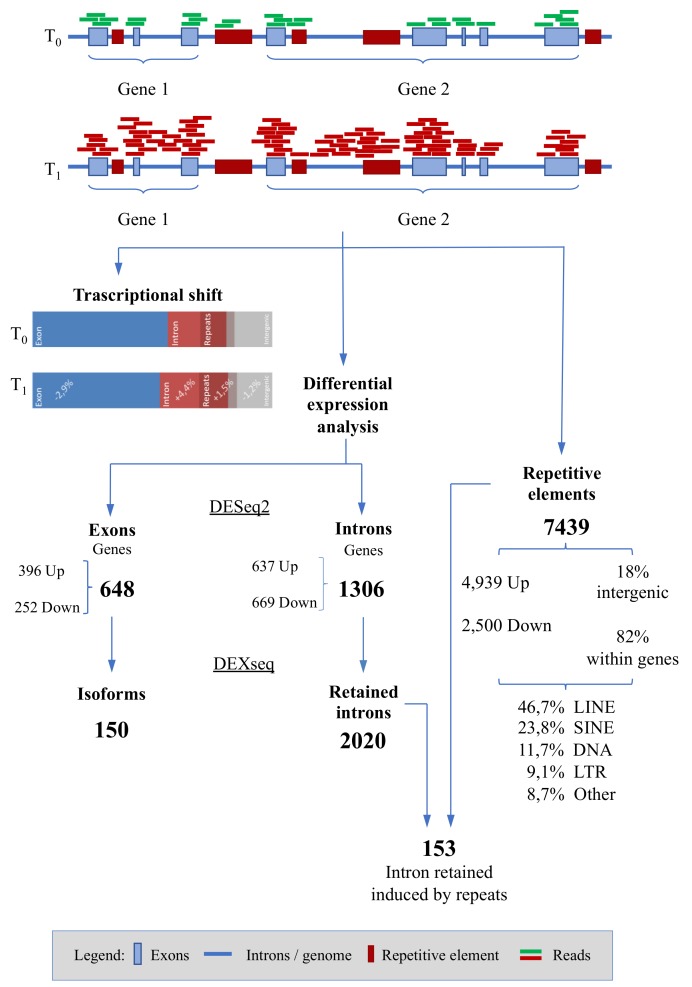
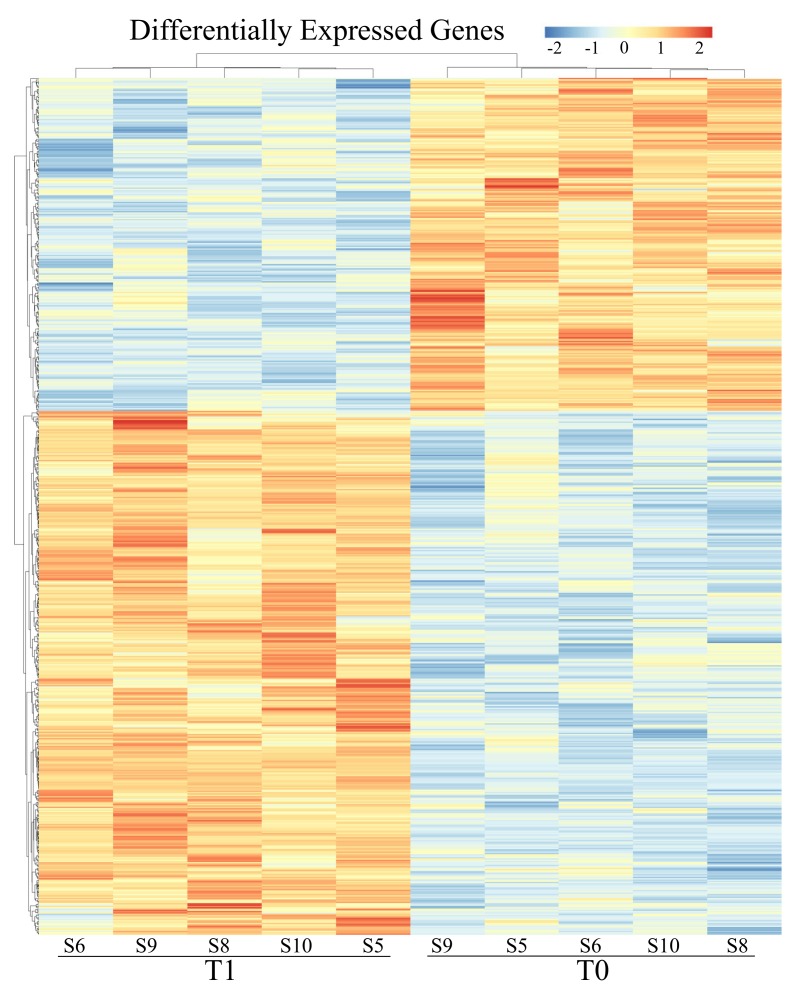
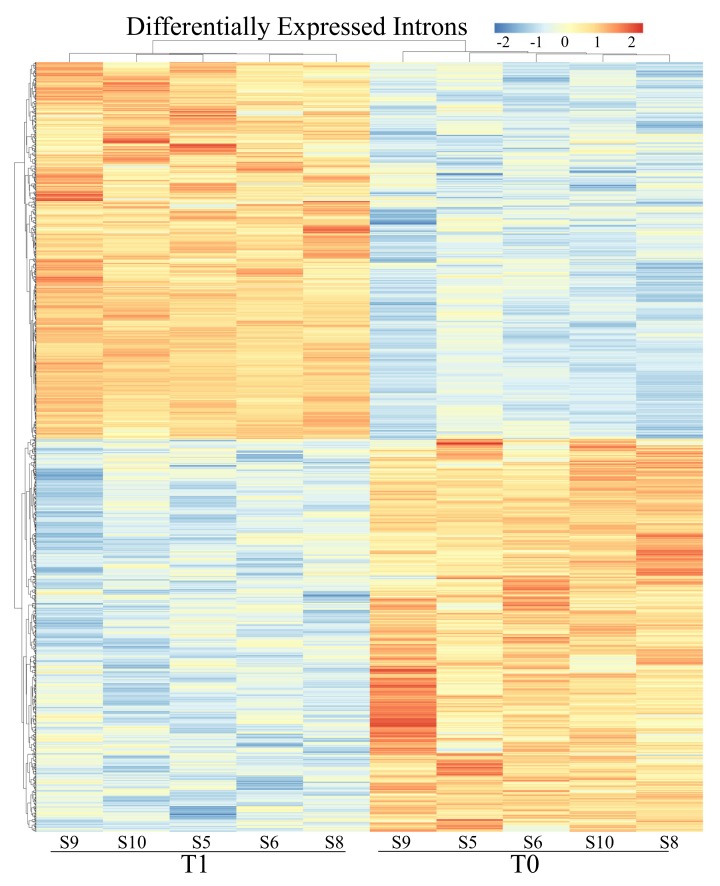
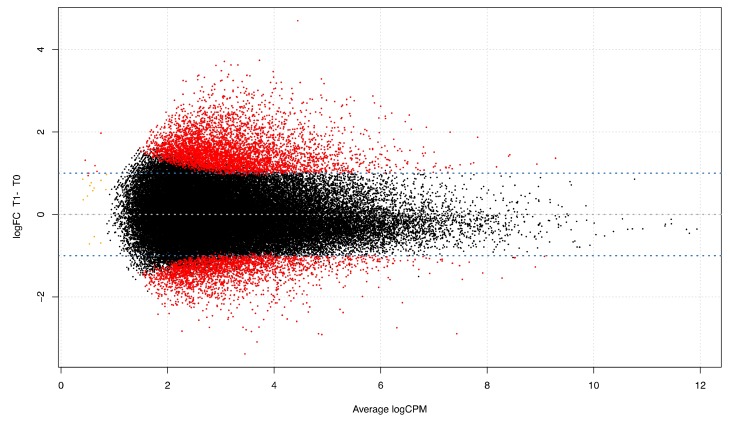
Physical exercise is universally recognized as stressful. Among the "sport species", the horse is probably the most appropriate model for investigating the genomic response to stress due to the homogeneity of its genetic background. The aim of this work is to dissect the whole transcription modulation in Peripheral Blood Mononuclear Cells (PBMCs) after exercise with a time course framework focusing on unexplored regions related to introns and intergenic portions. PBMCs NGS from five 3 year old Sardinian Anglo-Arab racehorses collected at rest and after a 2000 m race was performed. Apart from differential gene expression ascertainment between the two time points the complexity of transcription for alternative transcripts was identified. Interestingly, we noted a transcription shift from the coding to the non-coding regions. We further investigated the possible causes of this phenomenon focusing on genomic repeats, using a differential expression approach and finding a strong general up-regulation of repetitive elements such as LINE. Since their modulation is also associated with the "exonization", the recruitment of repeats that act with regulatory functions, suggesting that there might be an active regulation of this transcriptional shift. Thanks to an innovative bioinformatic approach, our study could represent a model for the transcriptomic investigation of stress.
Keywords: exercise; gene expression; horse; intron retention; repetitive elements; stress.
Conflict of interest statement
The authors declare no conflict of interest.
Figures
References
-
- Kline H., Foreman J. Heart and spleen weights as a function of breed and somatotype. Equine Exerc Physiol. 1991;3:17–21.
Publication types
MeSH terms
Substances
LinkOut - more resources
Full Text Sources
