


Mediterranean Diet Nutrients to Turn the Tide against Insulin Resistance and Related Diseases
- PMID: 32290535
- PMCID: PMC7230471
- DOI: 10.3390/nu12041066
Mediterranean Diet Nutrients to Turn the Tide against Insulin Resistance and Related Diseases
Abstract
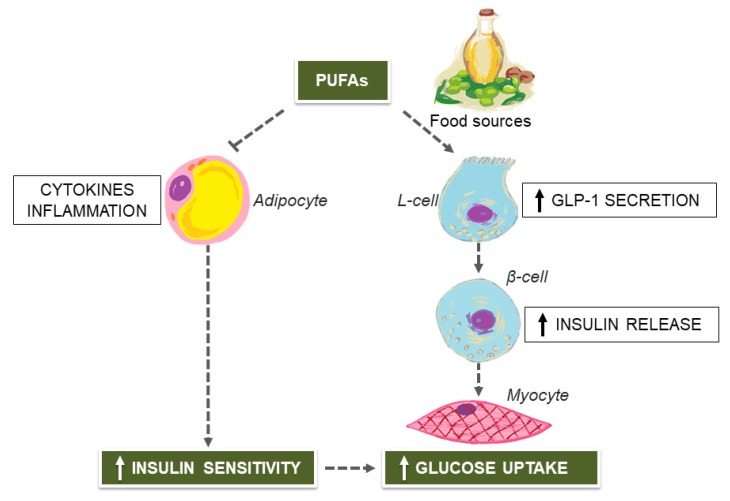
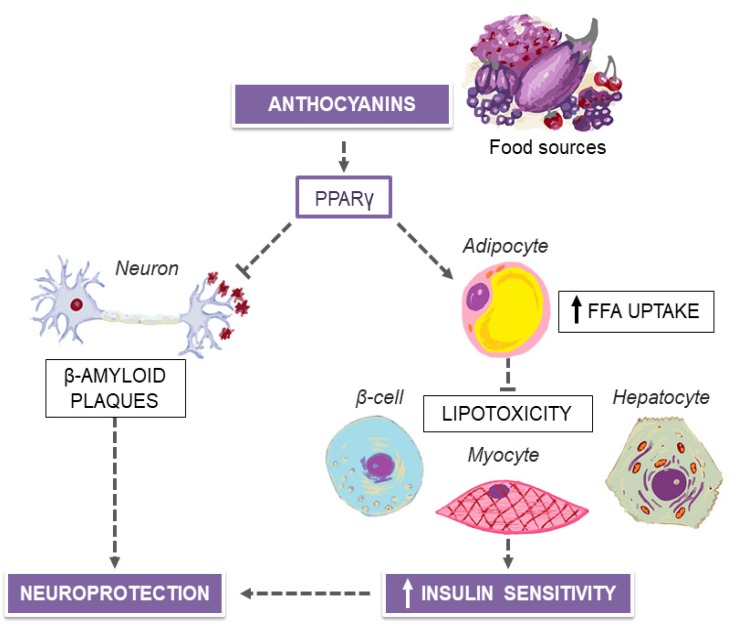
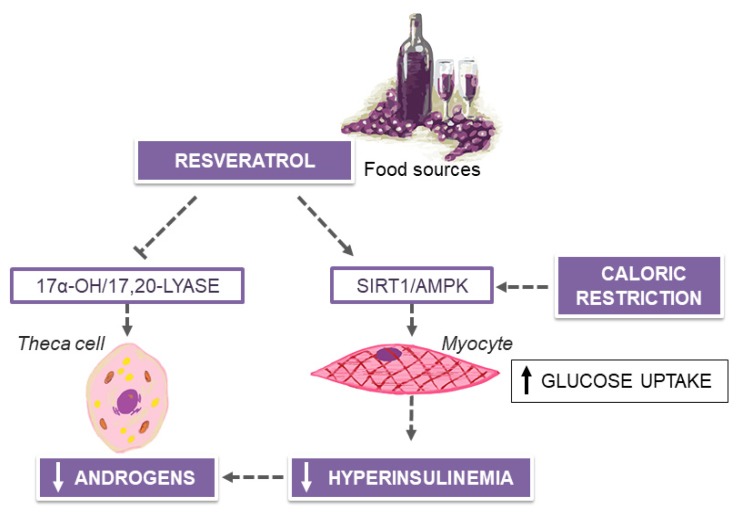
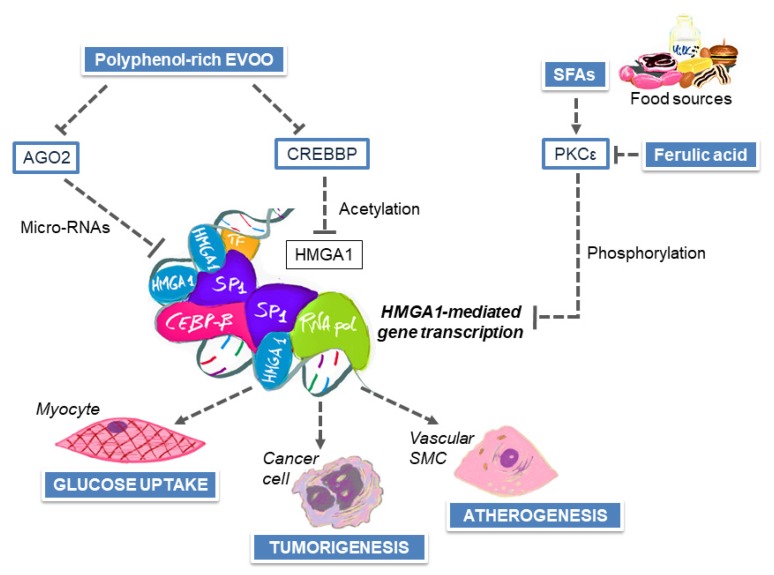
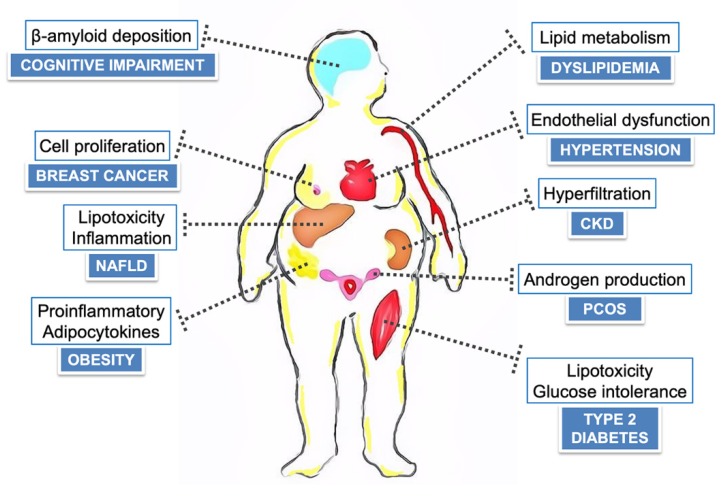
Insulin resistance (IR), defined as an attenuated biological response to circulating insulin, is a fundamental defect in obesity and type 2 diabetes (T2D), and is also linked to a wide spectrum of pathological conditions, such as non-alcoholic fatty liver disease (NAFLD), cognitive impairment, endothelial dysfunction, chronic kidney disease (CKD), polycystic ovary syndrome (PCOS), and some endocrine tumors, including breast cancer. In obesity, the unbalanced production of pro- and anti-inflammatory adipocytokines can lead to the development of IR and its related metabolic complications, which are potentially reversible through weight-loss programs. The Mediterranean diet (MedDiet), characterized by high consumption of extra-virgin olive oil (EVOO), nuts, red wine, vegetables and other polyphenol-rich elements, has proved to be associated with greater improvement of IR in obese individuals, when compared to other nutritional interventions. Also, recent studies in either experimental animal models or in humans, have shown encouraging results for insulin-sensitizing nutritional supplements derived from MedDiet food sources in the modulation of pathognomonic traits of certain IR-related conditions, including polyunsaturated fatty acids from olive oil and seeds, anthocyanins from purple vegetables and fruits, resveratrol from grapes, and the EVOO-derived, oleacein. Although the pharmacological properties and clinical uses of these functional nutrients are still under investigation, the molecular mechanism(s) underlying the metabolic benefits appear to be compound-specific and, in some cases, point to a role in gene expression through an involvement of the nuclear high-mobility group A1 (HMGA1) protein.
Keywords: HMGA1; Mediterranean diet; extra-virgin olive oil; insulin resistance; nutraceuticals.
Conflict of interest statement
The authors declare no conflict of interest.
Figures
References
-
- Kelly G.S. Insulin resistance: Lifestyle and nutritional interventions. Altern Med. Rev. 2000;5:109–132. - PubMed
Publication types
MeSH terms
Substances
LinkOut - more resources
Full Text Sources
Medical
