Difference of gut microbiota composition based on the body condition scores in dogs
- PMID: 32292931
- PMCID: PMC7142278
- DOI: 10.5187/jast.2020.62.2.239
Difference of gut microbiota composition based on the body condition scores in dogs
Abstract
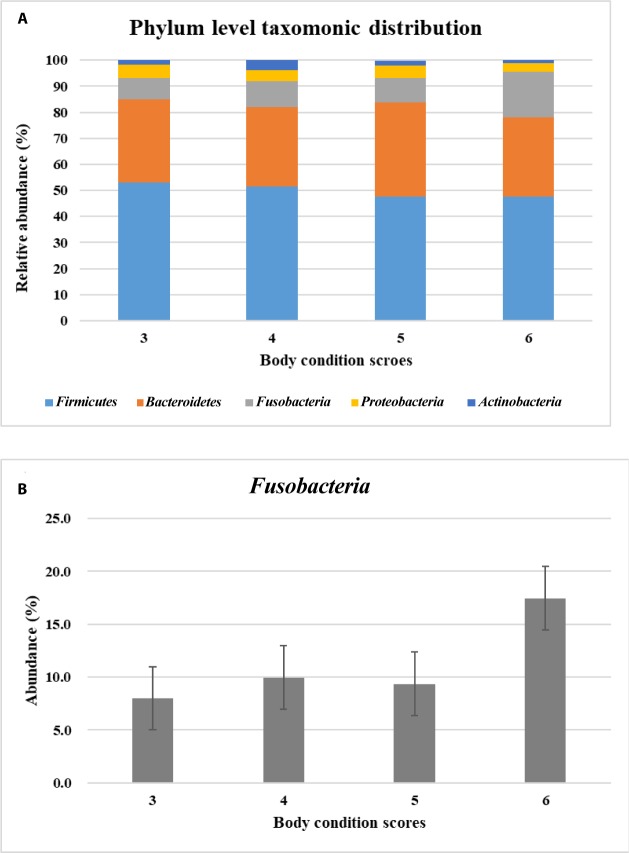
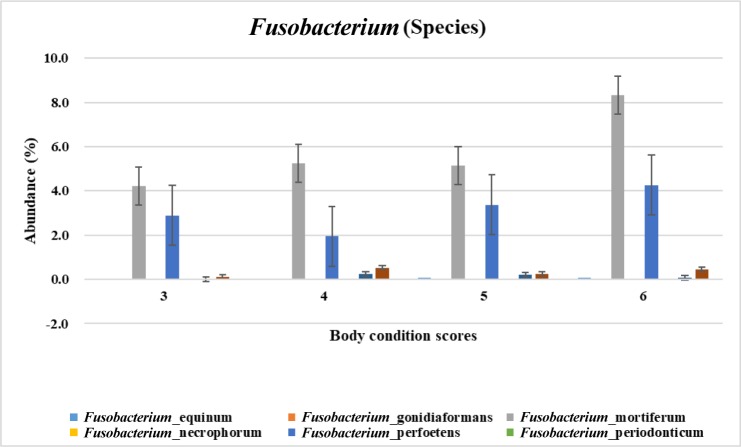
Microorganism residing in the gut has been known to have important roles in the animal body. Microbes and host microenvironment are highly related with host's health including energy metabolism and immune system. Moreover, it reported that gut microbiome is correlated with diseases like obesity in human and dogs. There have been many studies to identify and characterize microbes and their genes in human body. However, there was little information of microbiome in companion animals. Here, we investigated microbiota communities in feaces from twenty - four Beagles (aged 2 years old) and analyzed the taxonomy profile using metagenomics to study the difference among gut microbiome based on body condition score (BCS). gDNA was isolated from feaces, sequenced and clustered. Taxonomy profiling was performed based on the NCBI database. BCS was evaluated once a week according to the description provided by World Small Animal Veterinary Association. Firmicutes phylum was the most abundant followed by Bacteroidetes, Fusobacteria, Proteobacteria and Actinobacteria. That main microbiota in gut were differently distributed based on the BCS. Fusobacteria has been known to be associated with colon cancer in human. Interestingly, Fusobacteria was in the third level from the top in healthy dog's gut microbiome. In addition, Fusobacteria was especially higher in overweight dogs which had 6 scales of BCS. Species Fusobacterium perfoetens was also more abundant when dogs were in BCS 6. It implied that F. perfoetens would be positively related with overweight in dogs. These finding would contribute to further studies of gut microbiome and their functions to improve dog's diets and health condition.
Keywords: Dog; Fusobacteria; Gut microbiota; Metagenomic analysis; Overweight; Taxonomic profile.
© Copyright 2020 Korean Society of Animal Science and Technology.
Conflict of interest statement
No potential conflict of interest relevant to this article was reported.
Figures
References
LinkOut - more resources
Full Text Sources