


Modulation of radiation-induced damage of human glomerular endothelial cells by SMPDL3B
- PMID: 32293077
- PMCID: PMC11753461
- DOI: 10.1096/fj.201902179R
Modulation of radiation-induced damage of human glomerular endothelial cells by SMPDL3B
Abstract
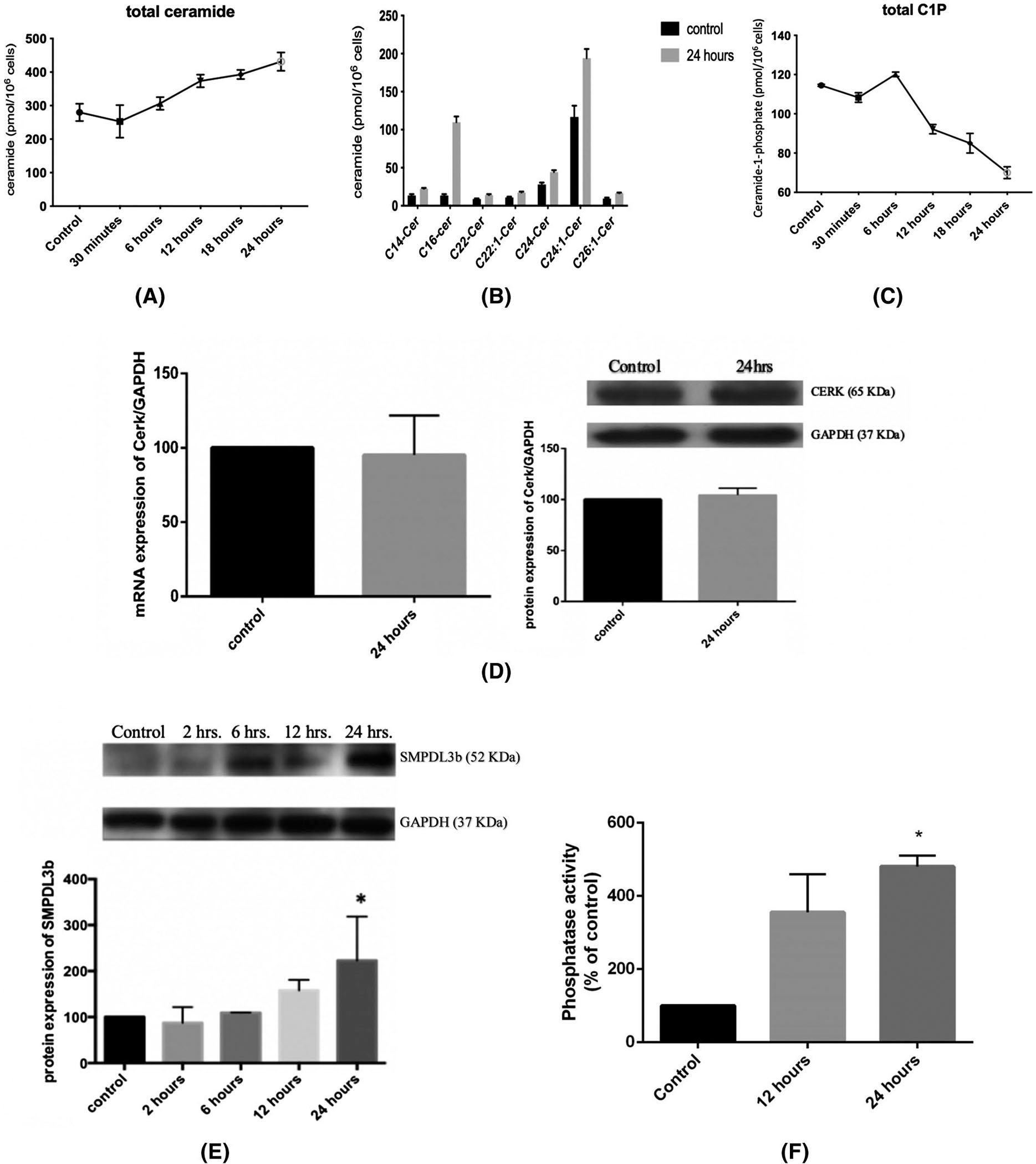
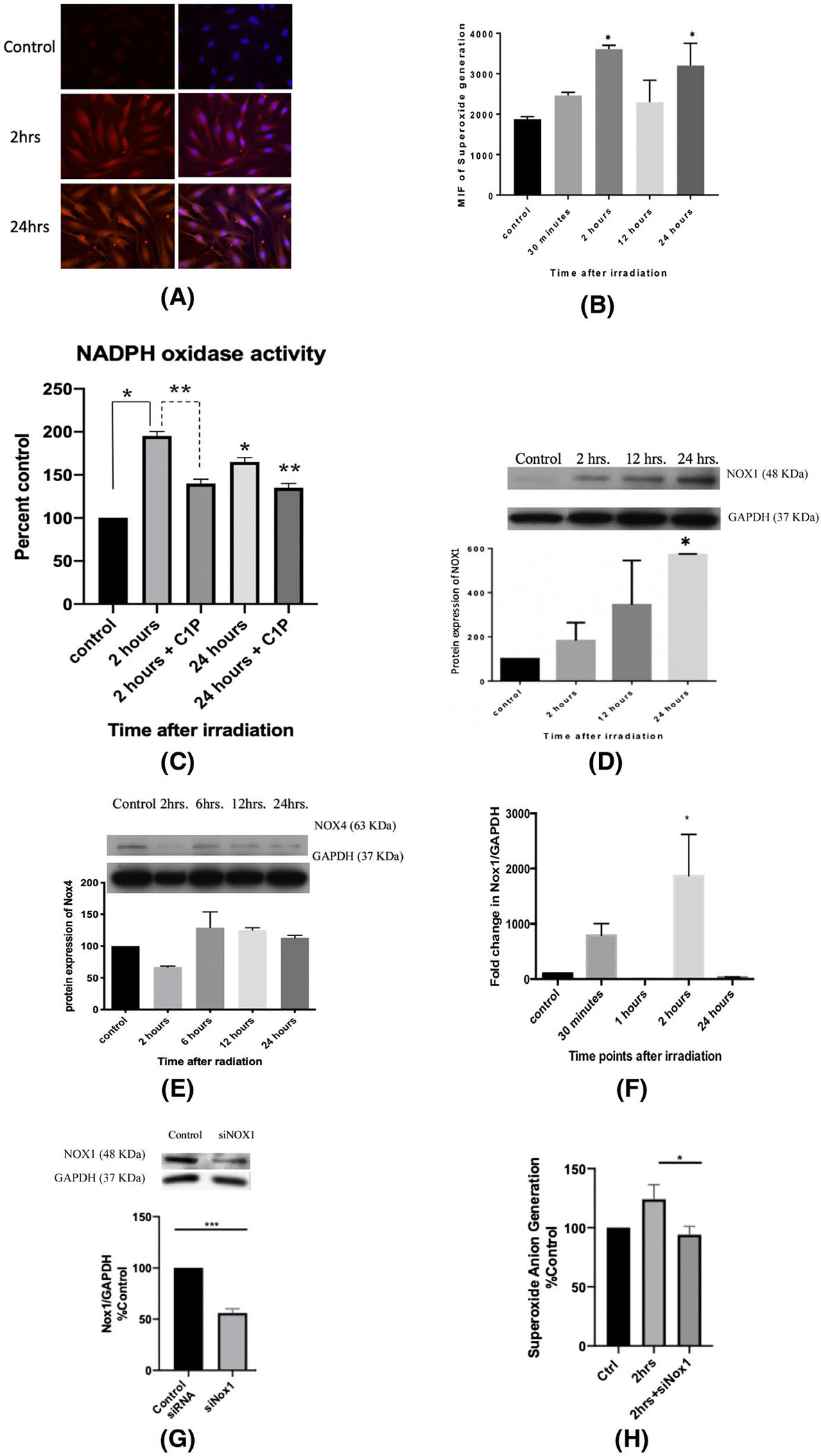
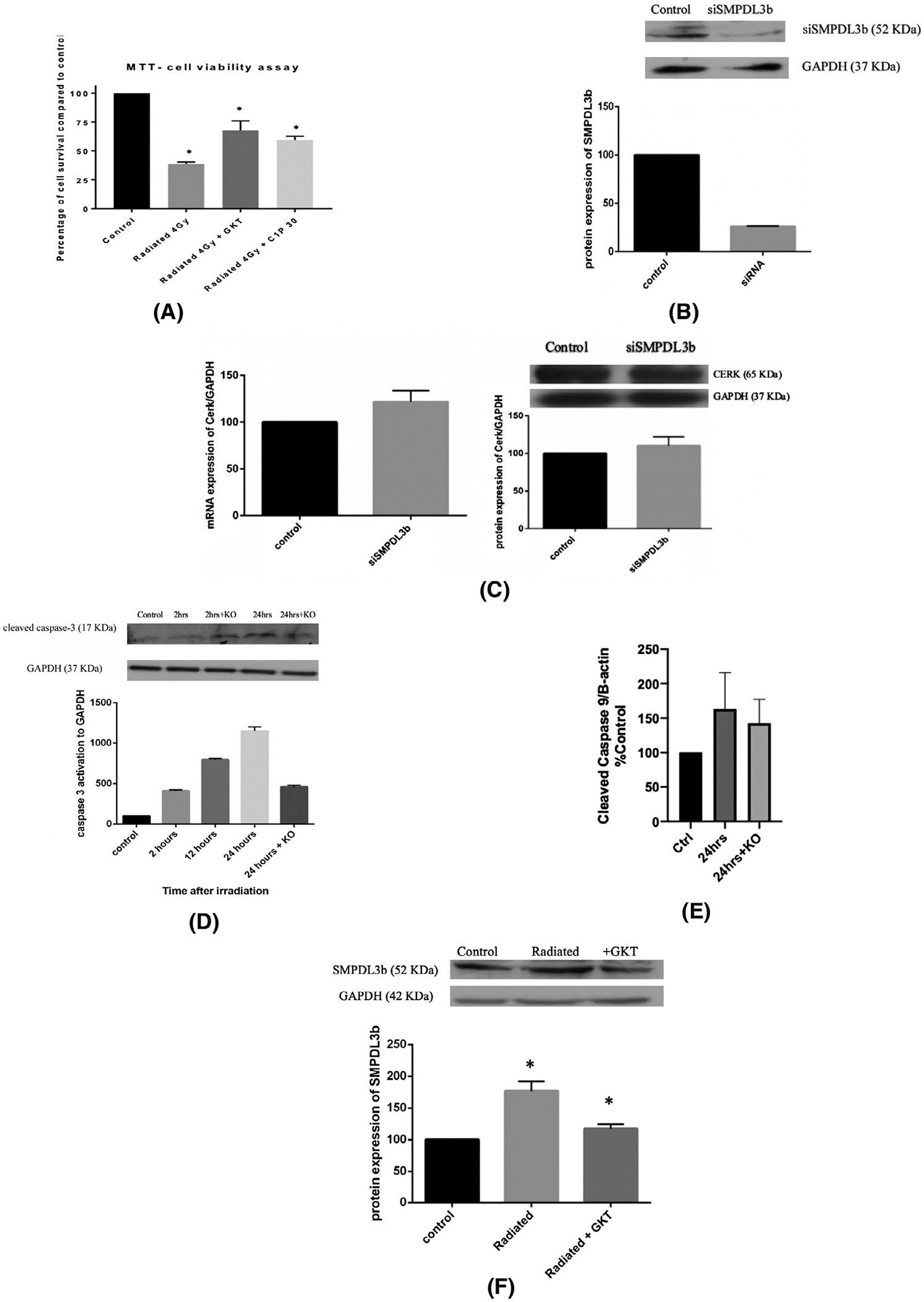
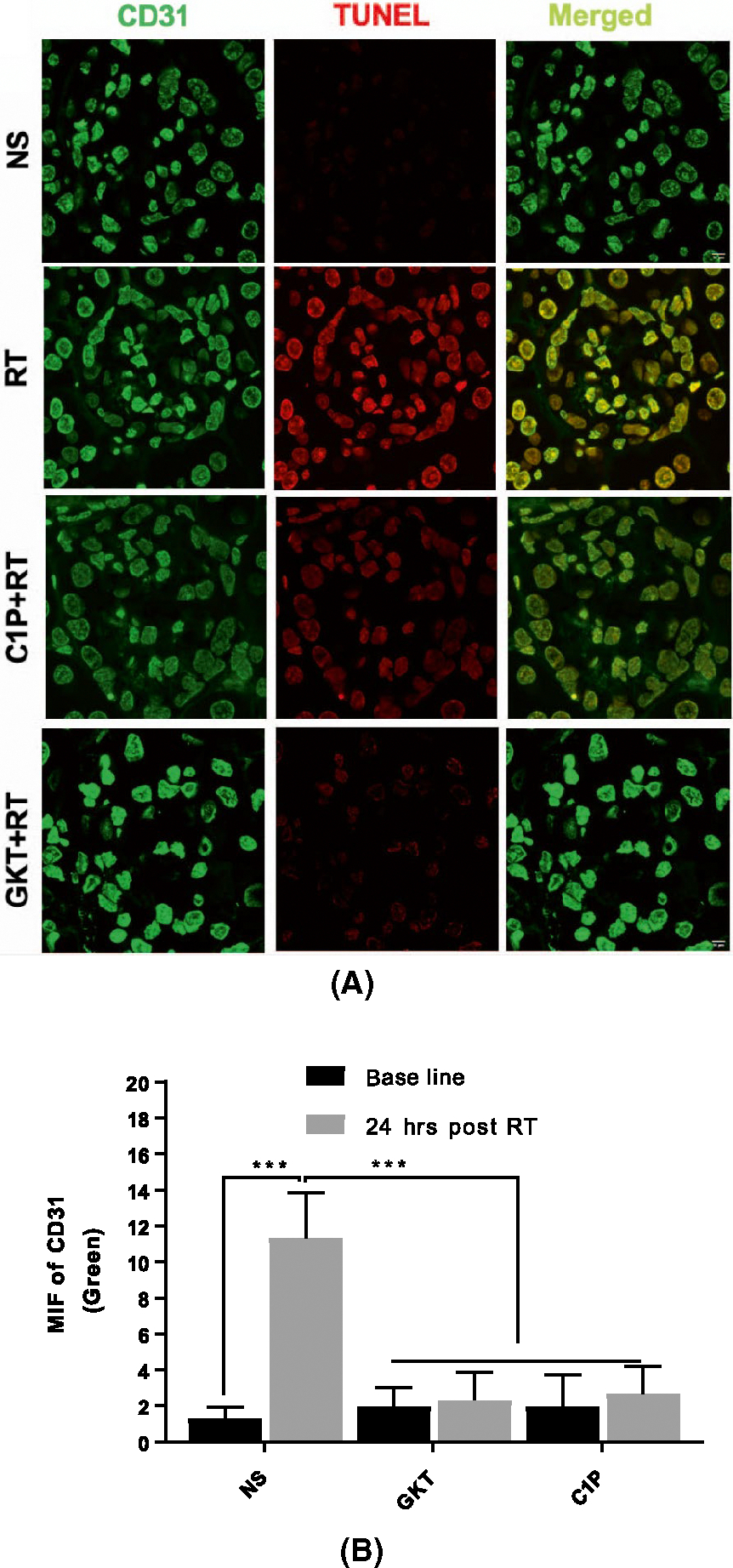
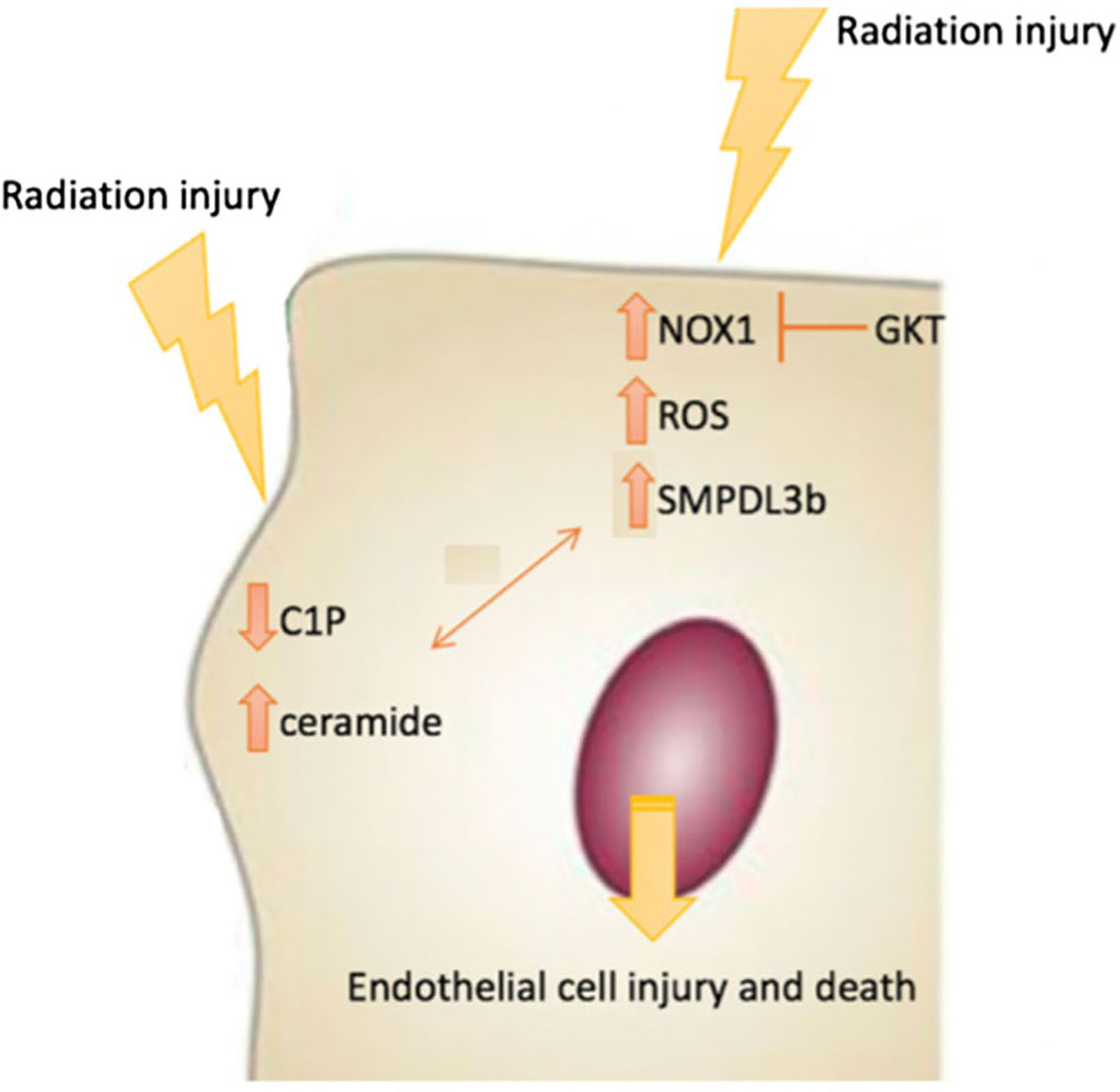
The intracellular molecular pathways involved in radiation-induced nephropathy are still poorly understood. Glomerular endothelial cells are key components of the structure and function of the glomerular filtration barrier but little is known about the mechanisms implicated in their injury and repair. The current study establishes the response of immortalized human glomerular endothelial cells (GEnC) to ionizing radiation (IR). We investigated the role of sphingolipids and the lipid-modifying enzyme sphingomyelin phosphodiesterase acid-like 3b (SMPDL3b) in radiation-induced GEnC damage. After delivering a single dose of radiation, long and very-long-chain ceramide species, and the expression levels of SMPDL3b were elevated. In contrast, levels of ceramide-1-phosphate (C1P) dropped in a time-dependent manner although mRNA and protein levels of ceramide kinase (CERK) remained stable. Treatment with C1P or knocking down SMPDL3b partially restored cell survival and conferred radioprotection. We also report a novel role for the NADPH oxidase enzymes (NOXs), namely NOX1, and NOX-derived reactive oxygen species (ROS) in radiation-induced GEnC damage. Subjecting cultured endothelial cells to radiation was associated with increased NOX activity and superoxide anion generation. Silencing NOX1 using NOX1-specific siRNA mitigated radiation-induced oxidative stress and cellular injury. In addition, we report a novel connection between NOX and SMPDL3b. Treatment with the NOX inhibitor, GKT, decreased radiation-induced cellular injury and restored SMPDL3b basal levels of expression. Our findings indicate the importance of SMPDL3b as a potential therapeutic target in radiation-induced kidney damage.
Keywords: SMPDL3b; cancer; ceramide; glomerular endothelial cells; nephropathy; radioprotection; reactive oxygen species; sphingolipids.
© 2020 Federation of American Societies for Experimental Biology.
Conflict of interest statement
DISCLOSURES
Alessia Fornoni is consultant for Hoffman-La Roche, Alexion, and Mesoblast on subject matters that are unrelated to this publication. The authors declare no conflict of interest.
Figures
References
-
- Cassady JR. Clinical radiation nephropathy. Int J Radiat Oncol Biol Phys. 1995;31(5):1249–1256. - PubMed
-
- Dawson LA, Kavanagh BD, Pauliono AC, et al. Radiation-associated kidney injury. Int J Radiat Oncol Biol Phys. 2010;76(Suppl. 3):S108–S115. - PubMed
-
- Cohen EP, Robbins ME. Radiation nephropathy. Semin Nephrol. 2003;23(5):486–499. - PubMed
-
- Luxton RW. Radiation nephritis. A long-term study of 54 patients. Lancet. 1961;2(7214):1221–1224. - PubMed
-
- Yang GY, May KS, Iyer RV, et al. Renal atrophy secondary to chemoradiotherapy of abdominal malignancies. Int J Radiat Oncol Biol Phys. 2010;78(2):539–546. - PubMed
Publication types
MeSH terms
Substances
Grants and funding
LinkOut - more resources
Full Text Sources
Medical
Molecular Biology Databases
