


Methodological Approaches to Support Process Improvement in Emergency Departments: A Systematic Review
- PMID: 32294985
- PMCID: PMC7216091
- DOI: 10.3390/ijerph17082664
Methodological Approaches to Support Process Improvement in Emergency Departments: A Systematic Review
Abstract
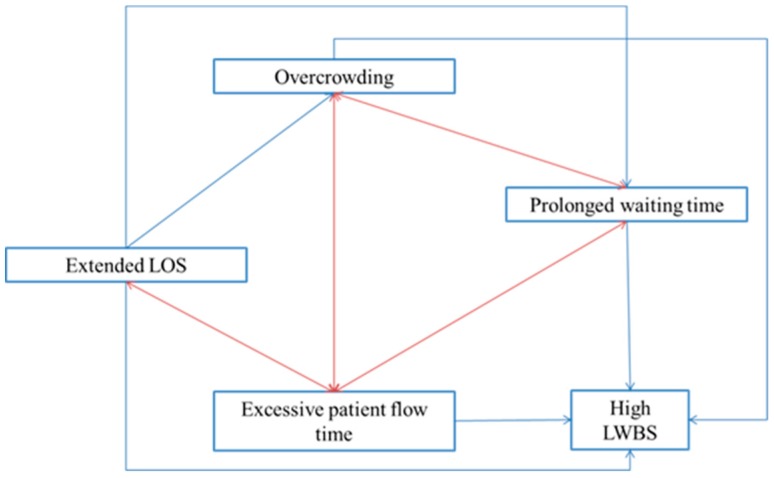
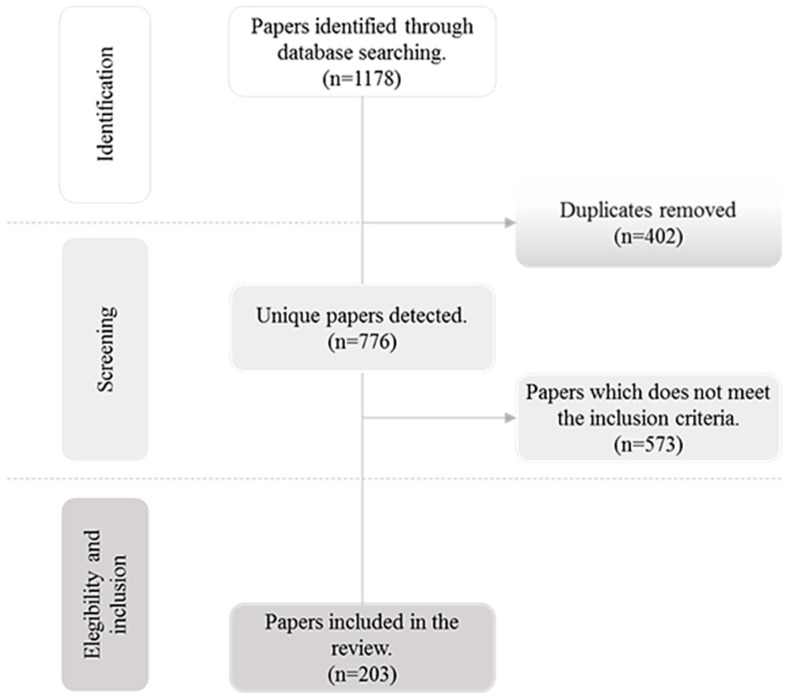
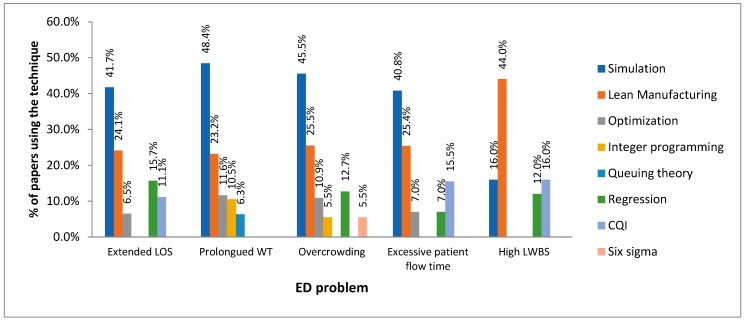
The most commonly used techniques for addressing each Emergency Department (ED) problem (overcrowding, prolonged waiting time, extended length of stay, excessive patient flow time, and high left-without-being-seen (LWBS) rates) were specified to provide healthcare managers and researchers with a useful framework for effectively solving these operational deficiencies. Finally, we identified the existing research tendencies and highlighted opportunities for future work. We implemented the Preferred Reporting Items for Systematic Reviews and Meta-Analyses (PRISMA) methodology to undertake a review including scholarly articles published between April 1993 and October 2019. The selected papers were categorized considering the leading ED problems and publication year. Two hundred and three (203) papers distributed in 120 journals were found to meet the inclusion criteria. Furthermore, computer simulation and lean manufacturing were concluded to be the most prominent approaches for addressing the leading operational problems in EDs. In future interventions, ED administrators and researchers are widely advised to combine Operations Research (OR) methods, quality-based techniques, and data-driven approaches for upgrading the performance of EDs. On a different tack, more interventions are required for tackling overcrowding and high left-without-being-seen rates.
Keywords: emergency department; healthcare; process improvement; systematic review.
Conflict of interest statement
The authors declare no conflict of interest.
Figures
References
-
- Emergency Department Quality Improvement: Transforming the Delivery of Care. [(accessed on 20 March 2020)]; Available online: https://www.healthcatalyst.com/insights/emergency-department-quality-imp....
Publication types
MeSH terms
LinkOut - more resources
Full Text Sources
Miscellaneous
