Review
. 2020 Apr 16;181(2):250-269.
doi: 10.1016/j.cell.2020.03.036.

The Biology of Physiological Health

Affiliations
Review

The Biology of Physiological Health

Janelle S Ayres. Cell. .

Abstract

The ability to maintain health, or recover to a healthy state after disease, is an active process involving distinct adaptation mechanisms coordinating interactions between all physiological systems of an organism. Studies over the past several decades have assumed the mechanisms of health and disease are essentially inter-changeable, focusing on the elucidation of the mechanisms of disease pathogenesis to enhance health, treat disease, and increase healthspan. Here, I propose that the evolved mechanisms of health are distinct from disease pathogenesis mechanisms and suggest that we develop an understanding of the biology of physiological health. In this Perspective, I provide a definition of, a conceptual framework for, and proposed mechanisms of physiological health to complement our understanding of disease and its treatment.


Conflict of interest statement

Declaration of Interests J.S.A. holds an adjunct faculty position in the Biological Division at UC San Diego. The author has no financial interests to declare.

Figures
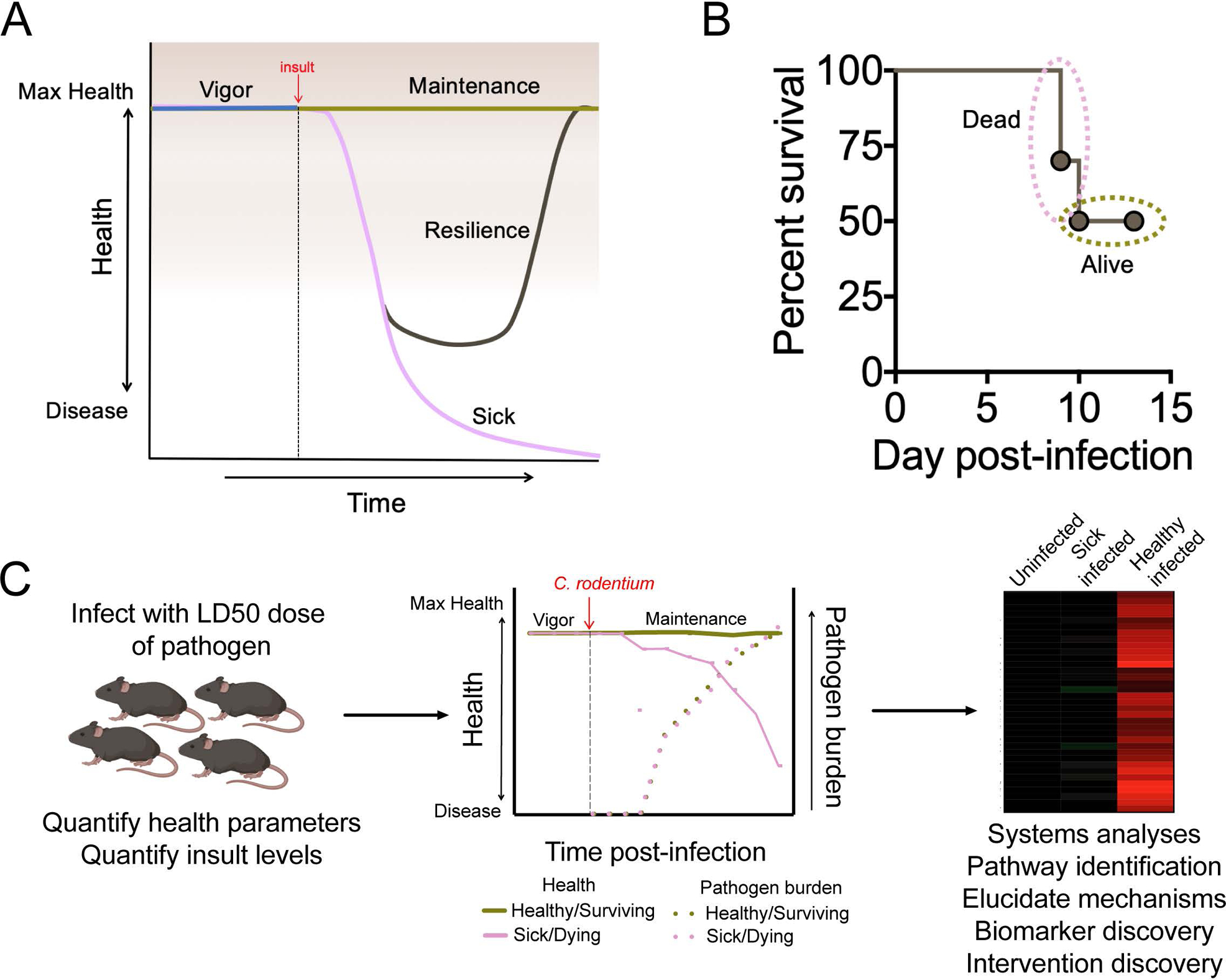
Figure 1.
Figure 1.. The continuum of health.
(A) The health of an organism exists on a continuum (y-axis) and can shift along it at any time under homeostatic conditions (vigor). When challenged with a hostile environment, such as a pathogen, the organism can maintain health in response to the insult (maintenance), become sick but then recover (resilience) or become sick and die. (B-C). The LD50 infection approached used by Sanchez et al. to define mechanisms of health with stochastic models. (B) LD50 death curve of C. rodentium infected mice. (C) The health trajectory of survivors and those that succumbed to the LD50 dose of C. rodentium. The health trajectory can be used to define individuals that fall into each outcome group prior to death that can be subjected to systems analyses to elucidate health mechanisms and methods of intervention to promote health. (B-C) Data adapted from (Sanchez et al., 2018).
Figure 2.
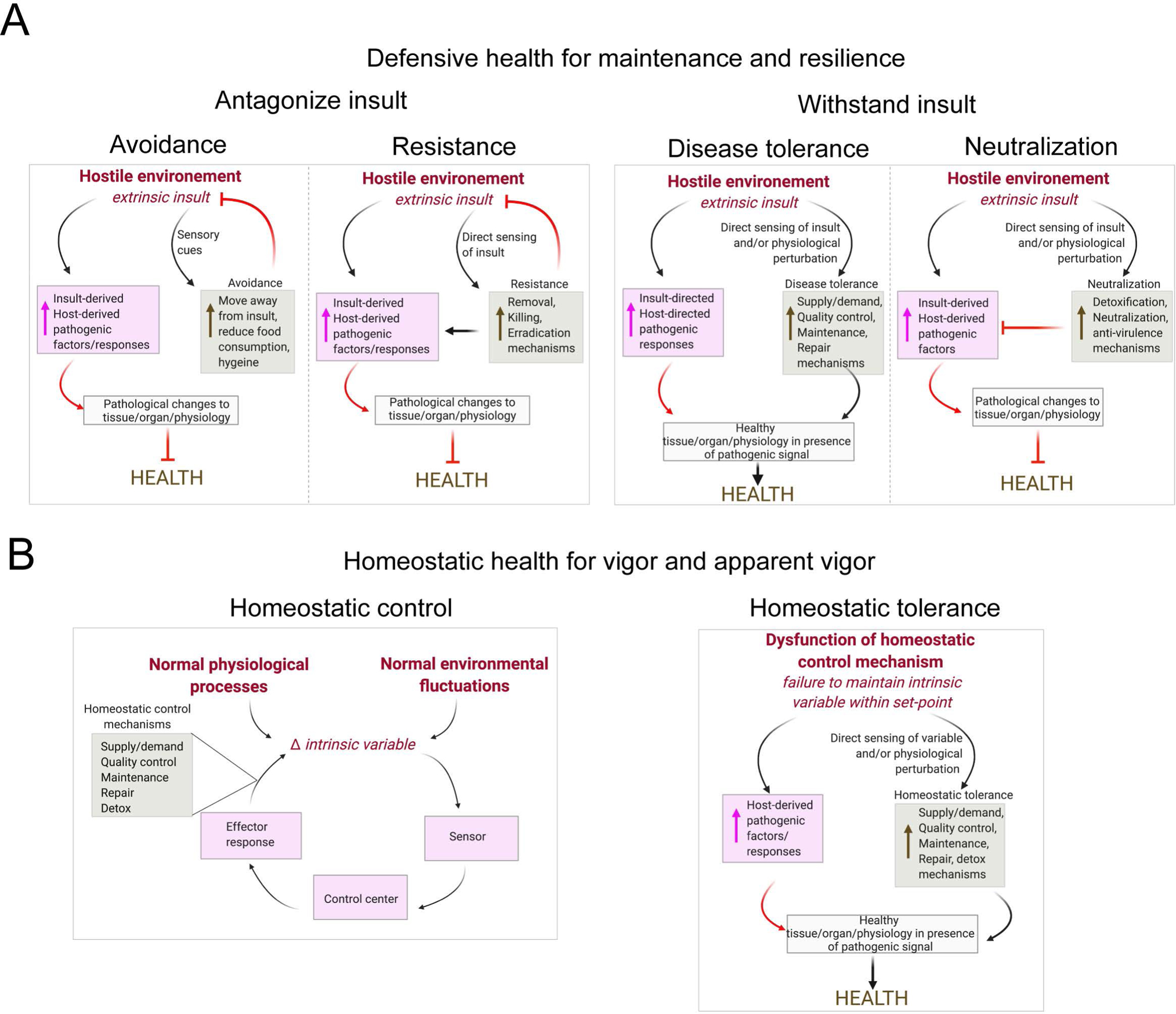
Figure 2.. Physiological health strategies.
(A) In response to a hostile threat, an organism can theoretically defend itself by avoiding the threat, eradicating the threat with resistance mechanisms or withstand the presence of the threat with disease tolerance and neutralization. The context and cost of each defense will dictate which strategy an organism will employ. (B) Homeostatic control mechanisms promote vigor under normal conditions. When these fail they have the potential to cause disease due to the inability to maintain variables within the set-point. Homeostatic tolerance promotes an apparent vigor to this new internal environment. Red arrows indicate negative affect on tissue/organ/physiology.
Figure 3.
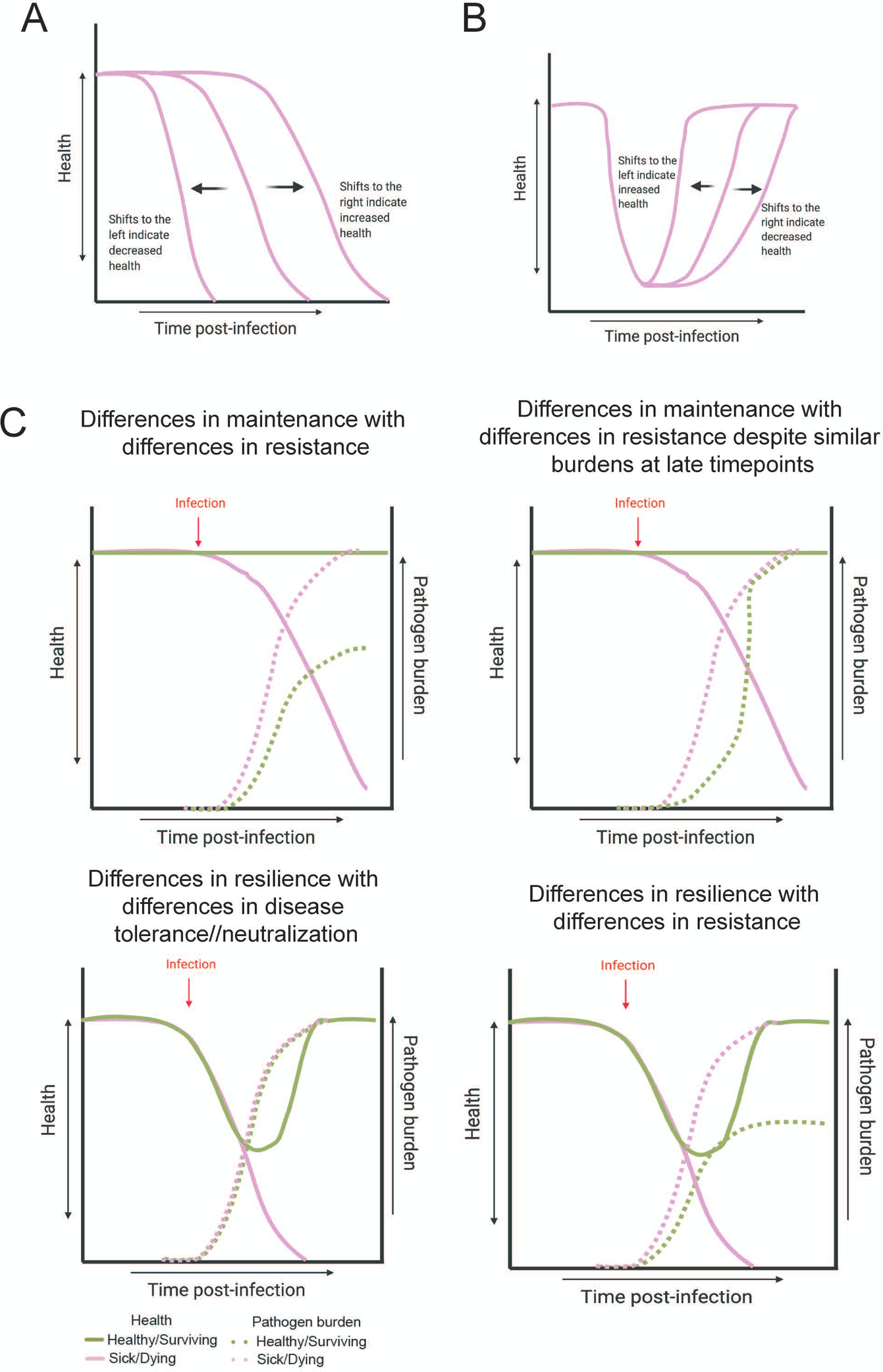
Figure 3.. Tracking health over time.
Hypothetical maintenance and resilience health curves. Shifts to the left and right indicate differences in (A) maintenance and (B) resilience respectively. (C) Examination of the health curve and insult levels or burdens differentiate health differences due to antagonism or the ability to withstand the insult. For an example curve of differences in maintenance due to differences in disease tolerance or neutralization see Figure 1C.
Figure 4.
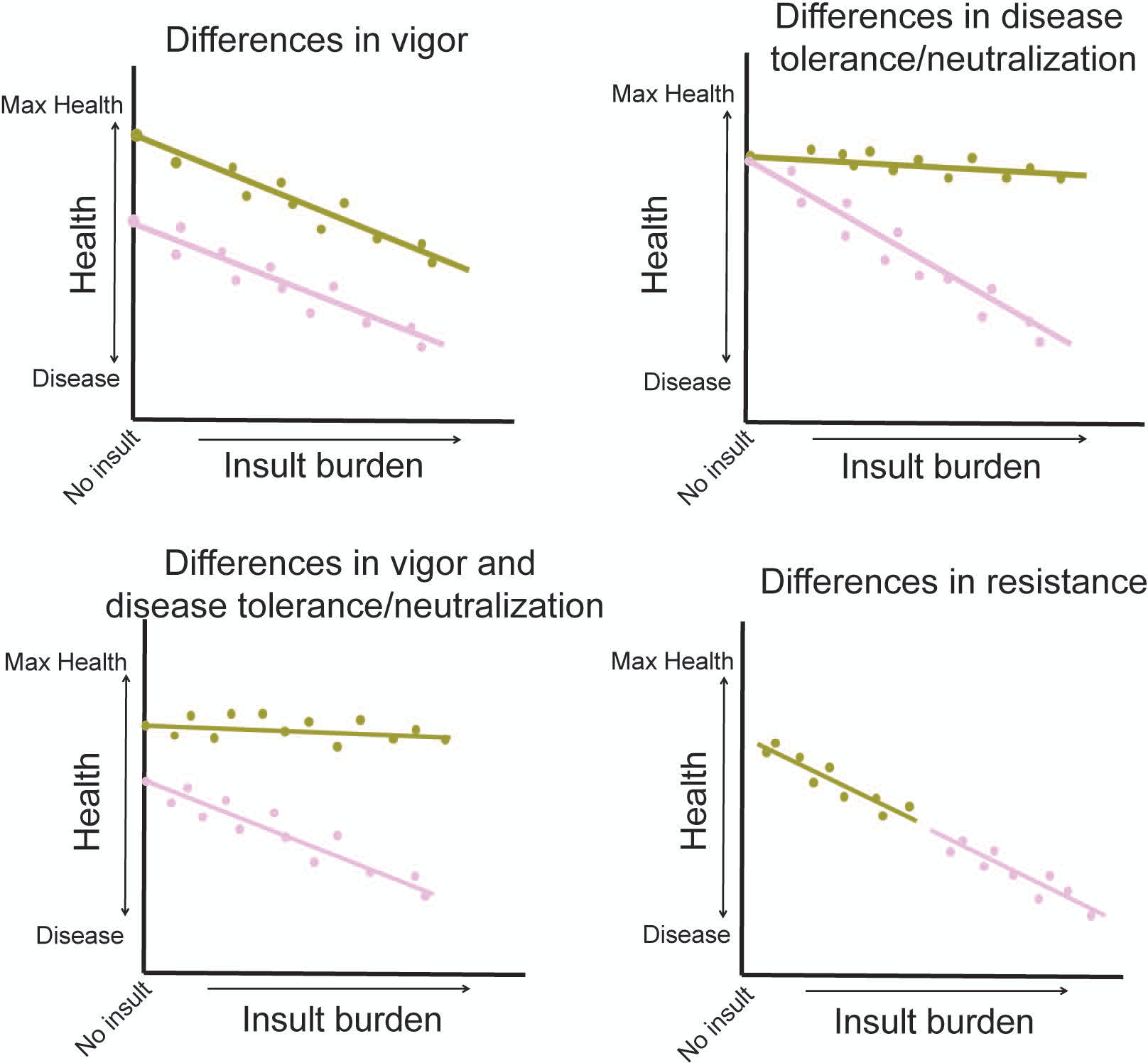
Figure 4.. Reaction norms to define differences in health.
Hypothetical infection of host group green and pink. Vigor indicated as the y-intercept. (A) Host groups differ in vigor indicating differences in homeostatic control mechanisms and respond the same to infection indicating no differences in defensive health mechanisms. (B) Same vigor and green host has shallower slope indicating greater maintenance or resilience in response to infection due to enhanced disease tolerance or neutralization. (C) Green host has greater vigor indicating differences in homeostatic control mechanisms. The shallower slope of Green indicates it also has greater disease tolerance or neutralization mechanisms because it can maintain health over a range of pathogen better than pink. (D) Green host has greater health because it is more resistant (increased health and less pathogen burden) to the pathogen than pink host because the curve is shifted along the x-axis.
Figure 5.
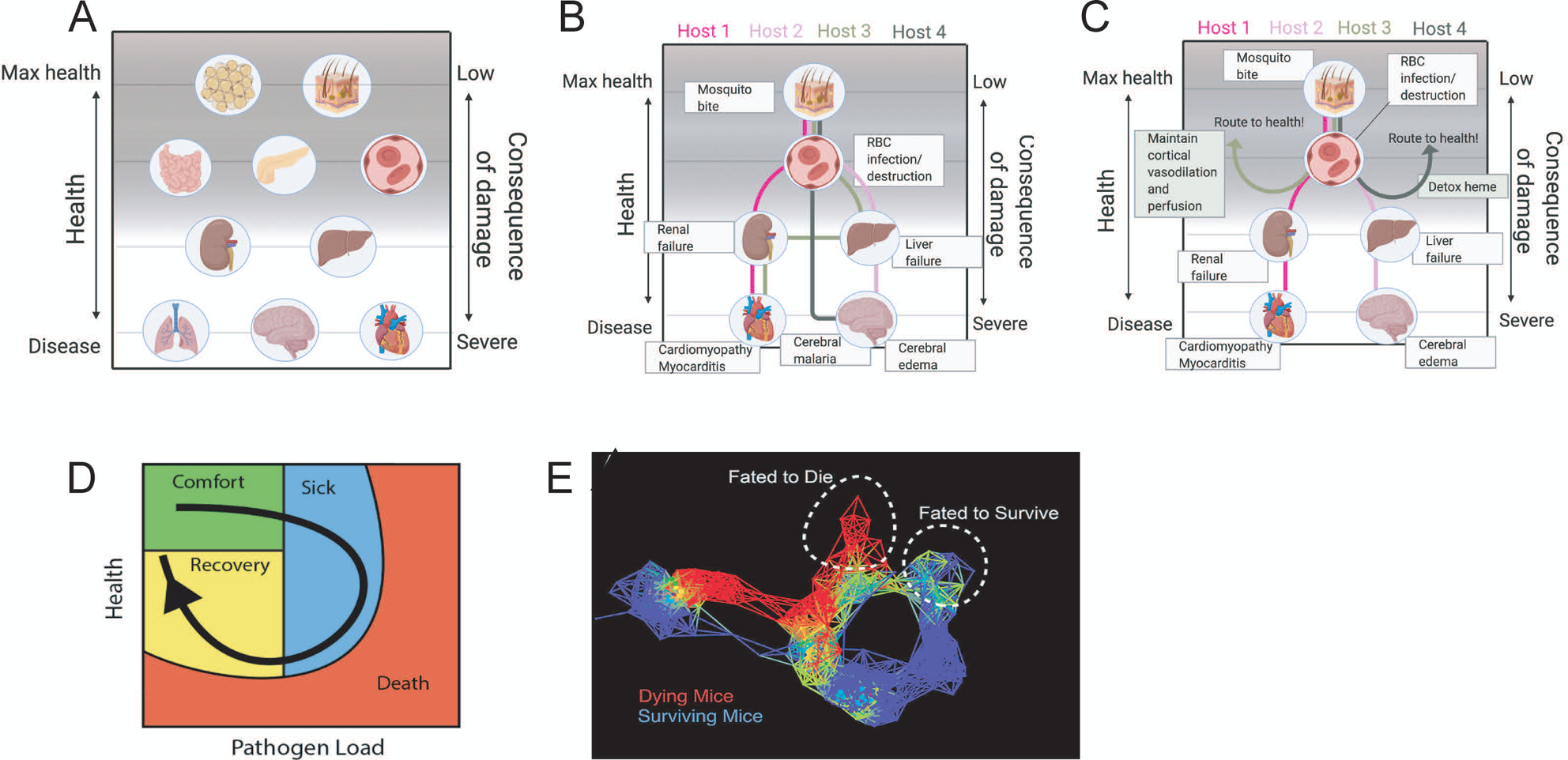
Figure 5.. Charting physiological paths in a health space.
(A-C)The health continuum can be visualized as a health space with hierarchies of organs/physiological systems that are ranked based on the consequences of their damage or dysfunction on health. Each system represents a node with defined health mechanisms to promote health of that system and shift the path back up towards health in the health space. (B) Hypothetical disease paths for malaria infection and (C) methods of intervention at disease nodes to shift the trajectory back towards health. (D-E) From Schneider and colleagues (Torres et al., 2016), (D) the hypothetical path a resilient individual takes through the health space when sick and (E) topological network map of the transcriptomes of circulating immune cells of surviving and dying mice infected with malaria. Mice that die (red) do not loop back to the original health state. Resilient mice (blue) do. Curves show where physiologically the two fate outcomes differ based on transcriptome.
Figure 6.
Figure 6.. Categories of physiological variables for health.
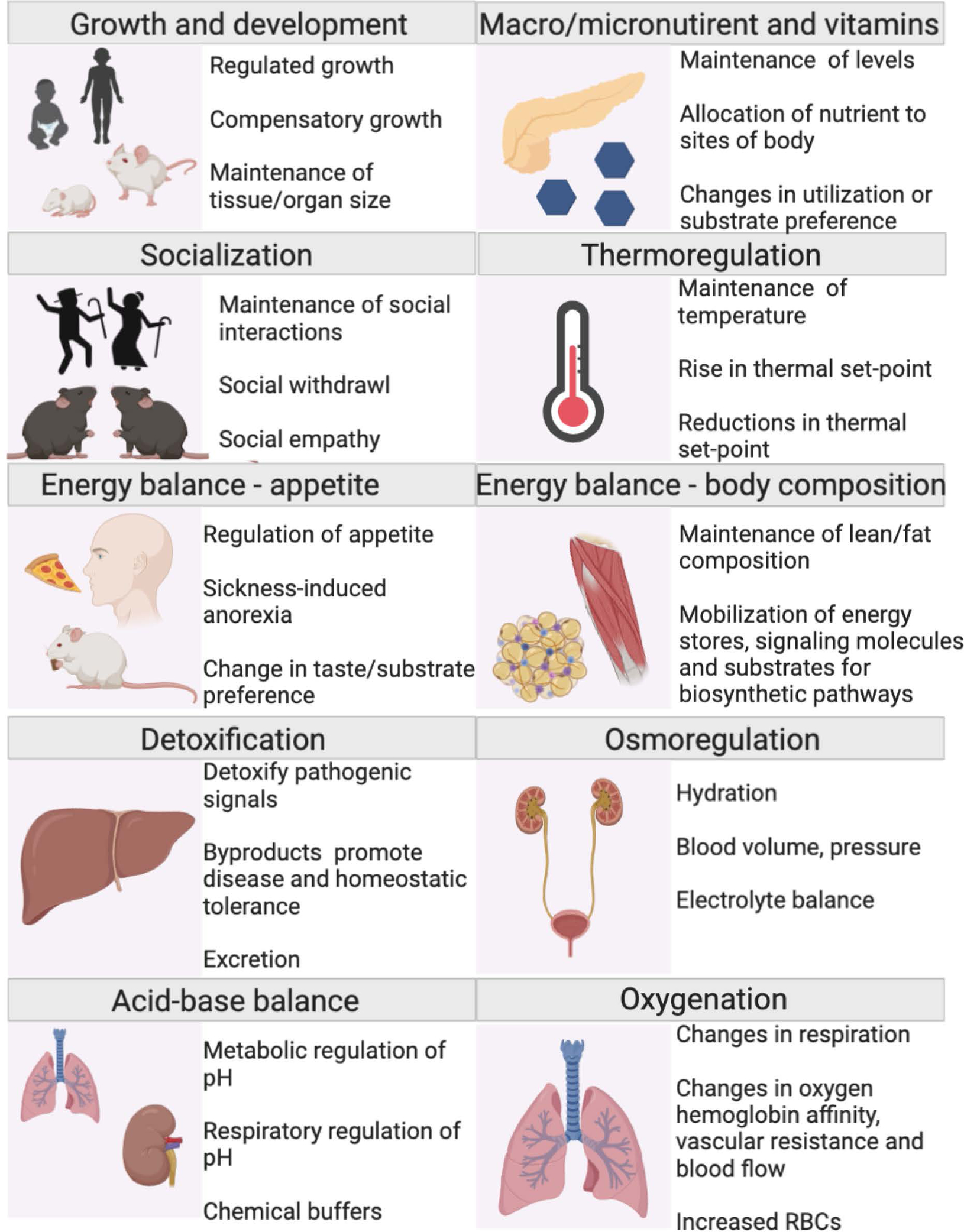
The hypothalamus coordinates interactions between all physiological systems in the body to control physiological variables including growth and development, macro/micro-nutrient and vitamins, socialization, thermoregulation, energy balance, oxygenation, detoxification, acid-base balance, and osmoregulation. The control of each of these variables is dependent on homeostatic control mechanisms that operate at each level (molecular, cellular, tissue, organ, physiological), each contributing to homeostasis at the next level which ultimately translates to vigor at the organismal level. Mechanisms have evolved to regulate each of these variables to promote disease tolerance, neutralization and homeostatic tolerance. For some, multiple systems will contribute to the regulation of a variable. For example, appetite regulation will also contribute to nutrient homeostasis and osmoregulation contributes to increased socialization.
Figure 7.
Figure 7.. Physiological mechanisms of health.
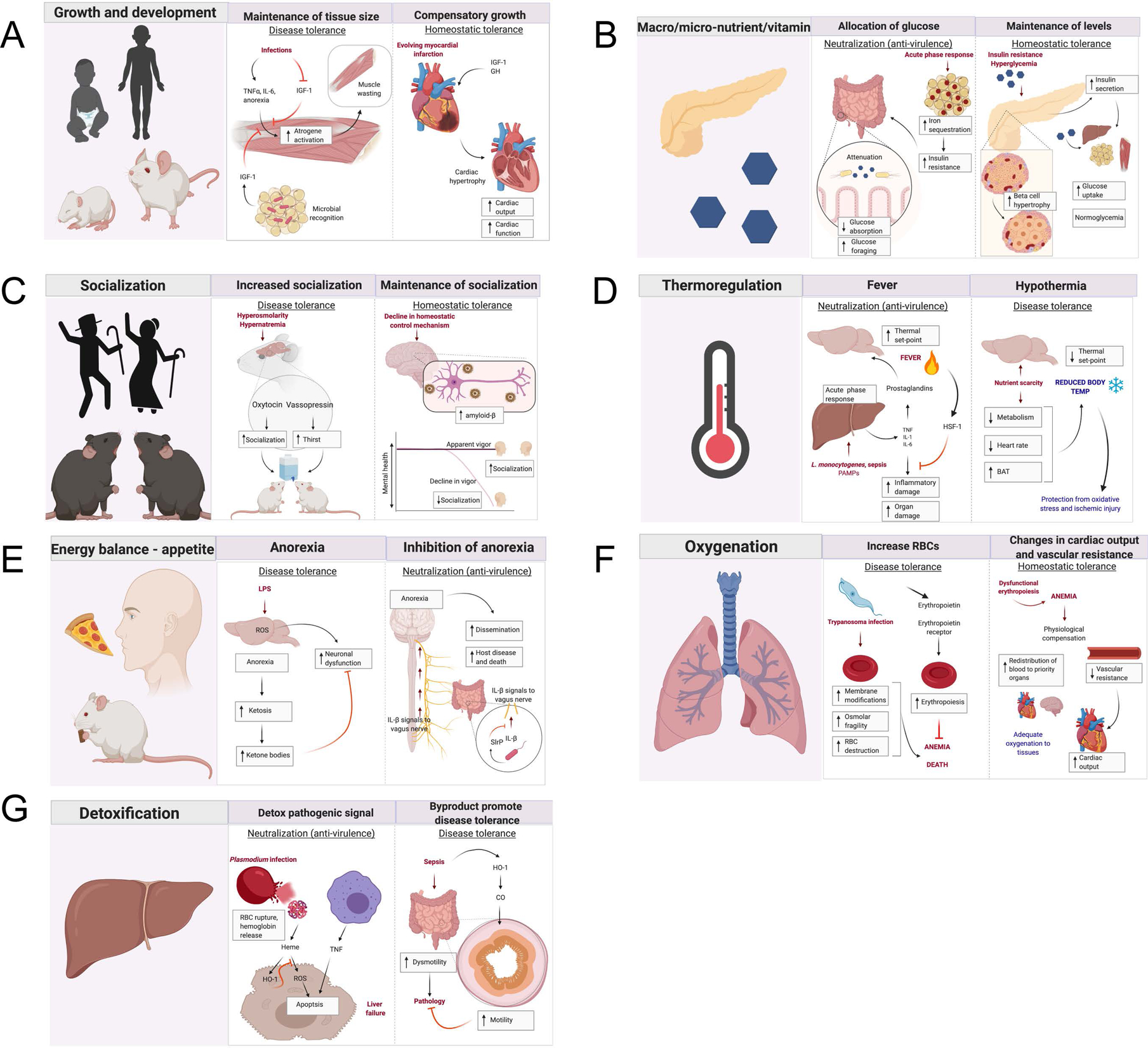
Representative disease tolerance, neutralization and homeostatic tolerance mechanisms that fall into the classes of physiological variables that are controlled to maintain health under homeostatic and hostile conditions. A) Derivatives of growth and development homeostatic control mechanisms promote health during challenge. A disease tolerance mechanism has evolved to maintain skeletal muscle mass during infections. When homeostatic control mechanisms decline, cardiac hypertrophy occurs to increase cardiac output and function. B) Derivatives of glucose homeostatic control mechanisms promote health during challenge. Acute insulin resistance induced by iron sequestration in fat causes allocation of glucose to intestine for gut microbes to forage on suppressing their virulence and thus acting as an anti-virulence mechanism. During chronic hyperglycemia and insulin resistance, beta cell compensation including increased insulin secretion and growth increases glucose uptake to maintain glucose levels. C) Derivatives of socialization homeostatic control mechanisms promote health during challenge. A disease tolerance mechanism to maintain health during hostile environments involves increasing socialization behavior in rats to increase the likelihood they will drink water at common water sources. In humans, maintenance of socialization may promote homeostatic tolerance when there is a decline in homeostatic control mechanisms leading to accumulation of amyloid β. D) Derivatives of thermoregulatory homeostatic control mechanisms promote health during challenge. During infection, a raise in the thermal set point promotes the febrile response that acts as an anti-virulence mechanism to limit pro-inflammatory signals that can cause pathology. During hibernation induced by nutrient scarcity, the thermal set point is reduced to facilitate hypothermia that promotes disease tolerance by protecting from oxidative and ischemic injury. E) Derivatives of energy balance homeostatic control mechanisms promote health during challenge. Bacterial inflammation induces sickness-induced anorexia to promote ketosis and disease tolerance by protecting the brain from oxidative stress. Salmonella has evolved an effector, SlrP, to manipulate the gut-brain axis and inhibit the anorexic response to dampens its virulence. F) Derivatives of oxygenation homeostatic control mechanisms promote health during challenge. Treatment with erythropoietin during Trypanosome infections promotes RBC release, preventing anemia and promoting disease tolerance. Dysfunctional erythropoiesis leads to physiological compensation including redistribution of blood flow and vascular resistance. G) Derivatives of detoxification homeostatic control mechanisms promote health during challenge. Detxification of HO-1 generated during malaria infection promotes anti-virulence defenses. CO, a byproduct of HO-1 detoxification acts on smooth muscle of the gut to increase motility and promote disease tolerance during sepsis.

References

    1. Ayres JS (2013). Inflammasome-microbiota interplay in host physiologies. Cell Host Microbe 14, 491–497. - PubMed
    1. Ayres JS (2016). Cooperative Microbial Tolerance Behaviors in Host-Microbiota Mutualism. Cell 165, 1323–1331. - PMC - PubMed
    1. Ayres JS (2017). Microbes Dress for Success: Tolerance or Resistance? Trends Microbiol 25, 1–3. - PubMed
    1. Ayres JS, and Schneider DS (2009). The role of anorexia in resistance and tolerance to infections in Drosophila. PLoS Biol 7, e1000150. - PMC - PubMed
    1. Ayres JS, and Schneider DS (2012). Tolerance of infections. Annu Rev Immunol 30, 271–294. - PubMed

Publication types

MeSH terms

LinkOut - more resources