


Task-Shifting and Task-Sharing in Neurosurgery: An International Survey of Current Practices in Low- and Middle-Income Countries
- PMID: 32309800
- PMCID: PMC7154228
- DOI: 10.1016/j.wnsx.2019.100059
Task-Shifting and Task-Sharing in Neurosurgery: An International Survey of Current Practices in Low- and Middle-Income Countries
Abstract
Background: Because nearly 23,000 more neurosurgeons are needed globally to address 5 million essential neurosurgical cases that go untreated each year, there is an increasing interest in task-shifting and task-sharing (TS/S), delegating neurosurgical tasks to nonspecialists, particularly in low- and middle-income countries (LMICs). This global survey aimed to provide a cross-sectional understanding of the prevalence and structure of current neurosurgical TS/S practices in LMICs.
Methods: The survey was distributed to a convenience sample of individuals providing neurosurgical care in LMICs with a Web-based survey link via electronic mailing lists of continental societies and various neurosurgical groups, conference announcements, e-mailing lists, and social media platforms. Country-level data were analyzed by descriptive statistics.
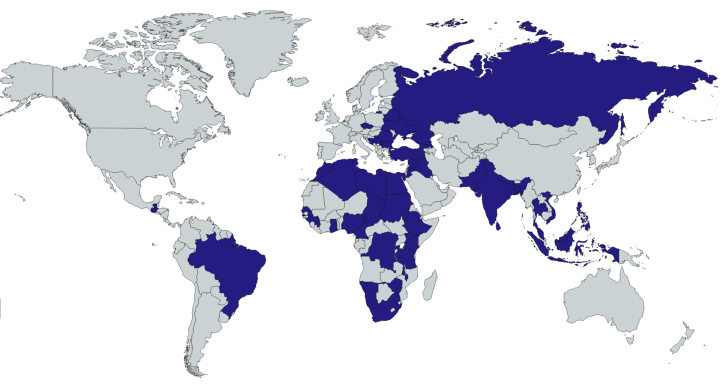
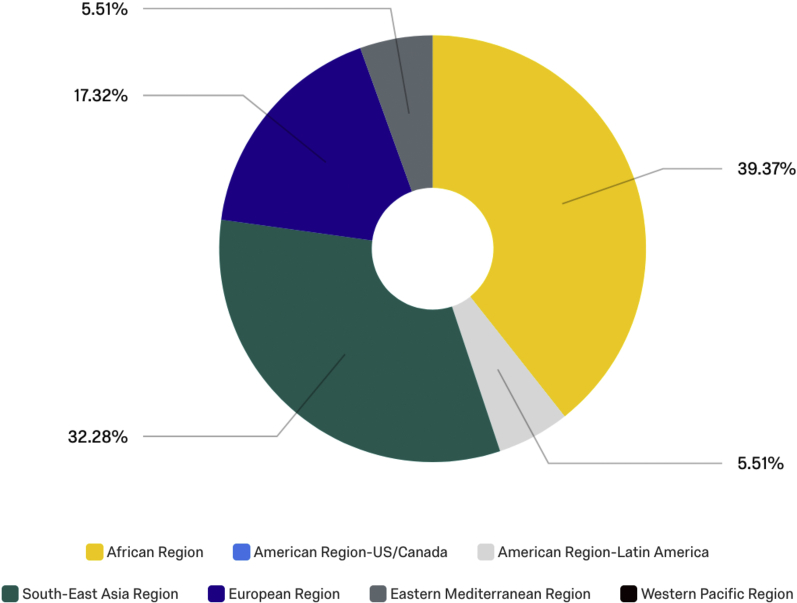
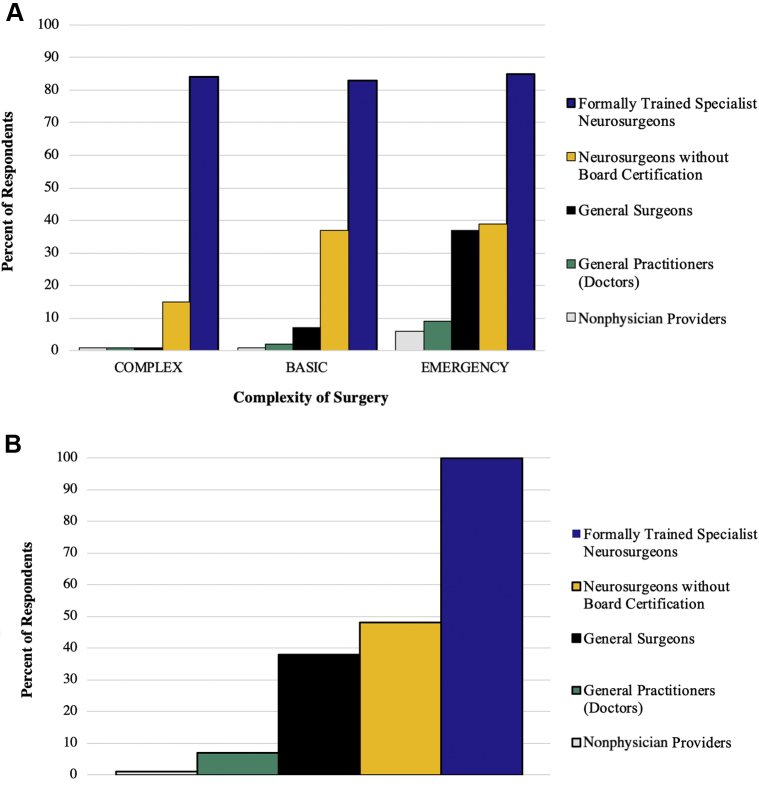
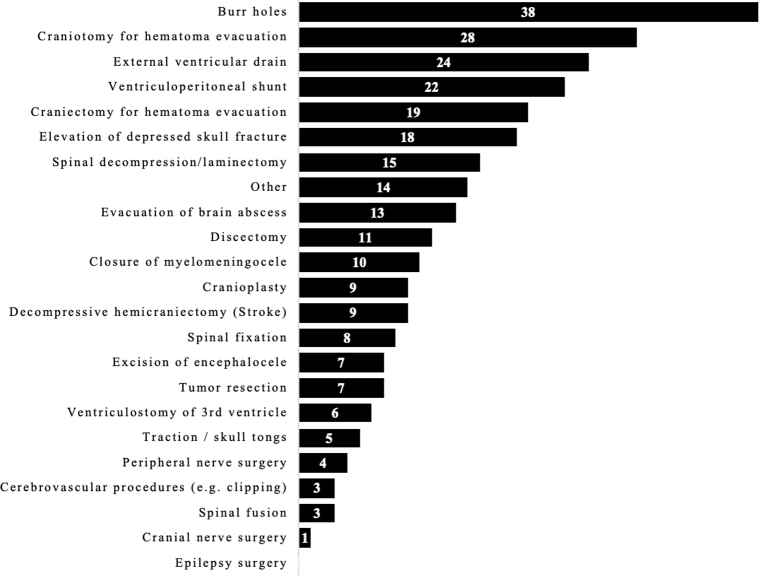
Results: The survey yielded 127 responses from 47 LMICs; 20 countries (42.6%) reported ongoing TS/S. Most TS/S procedures involved emergency interventions, the top 3 being burr holes, craniotomy for hematoma evacuation, and external ventricular drain. Most (65.0%) believed that their Ministry of Health does not endorse TS/S (24.0% unsure), and only 11% believed that TS/S training was structured. There were few opportunities for TS/S providers to continue medical education (11.6%) or maintenance of certification (9.4%, or receive remuneration (4.2%).
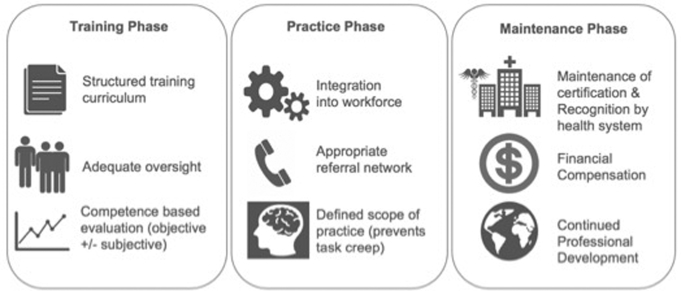
Conclusions: TS/S is ongoing in many LMICs without substantial structure or oversight, which is concerning for patient safety. These data invite future clinical outcomes studies to assess effectiveness and discussions on policy recommendations such as standardized curricula, certification protocols, specialist oversight, and referral networks to increase the level of TS/S care and to continue to increase the specialist workforce.
Keywords: Capacity; DRC, Democratic Republic of the Congo; Global health; Global neurosurgery; LMIC; LMIC, Low- and middle-income country; MOH, Ministry of Health; TS/S, Task-shifting and task-sharing; Task-sharing; Task-shifting; Workforce.
© 2019 The Authors.
Conflict of interest statement
A.G.K. is supported by the National Institute for Health Research (NIHR) Global Health Research Group on Neurotrauma. The Group was commissioned by the NIHR using Official Development Assistance funding (project 16/137/105). The views expressed in this article are those of the authors and are not necessarily those of the United Kingdom National Health Service, NIHR, or the United Kingdom Department of Health.
Figures
References
-
- Burton A. Training non-physicians as neurosurgeons in sub-Saharan Africa. Lancet Neurol. 2017;16:684–685. - PubMed
-
- Bartelme T. Beacon Press; Boston, MA: 2017. A Surgeon in the Village: An American Doctor Teaches Brain Surgery in Africa.
-
- World Health Organization . World Health Organization; Geneva: 2008. Task Shifting: Global Recommendations and Guidelines.
-
- Meara J.G., Leather A.J., Hagander L. Global Surgery 2030: evidence and solutions for achieving health, welfare, and economic development. Surgery. 2015;158:3–6. - PubMed
-
- Mullan F., Frehywot S. Non-physician clinicians in 47 sub-Saharan African countries. Lancet. 2007;370:2158–2163. - PubMed
LinkOut - more resources
Full Text Sources
