


An evidence-based self-management package for urinary incontinence in older women: a mixed methods feasibility study
- PMID: 32312255
- PMCID: PMC7171836
- DOI: 10.1186/s12894-020-00603-8
An evidence-based self-management package for urinary incontinence in older women: a mixed methods feasibility study
Abstract
Background: Urinary incontinence (UI) is a distressing condition that limits women's quality of life and places a heavy burden on health care services. Behavioural treatments are recommended as a first-line treatment. An evidence-based self-management package was developed following the Medical Research Council (MRC) framework for complex interventions. This study aimed to evaluate the feasibility and acceptability of the intervention.
Methods: A mixed-methods approach was undertaken, namely a randomised controlled feasibility study with nested qualitative study. Fifty women aged 55 or over living with UI, recruited from community centres were randomly assigned to either a 3-month course with the package with a support session or a control group to receive the same package only 3 months later. Principal outcome measures were: self-reported quality of life, UI severity, self-efficacy and psychological status. Analysis of covariance was undertaken to estimate within- and between- group changes for all outcomes. Acceptability was explored using individual interviews at follow-up.
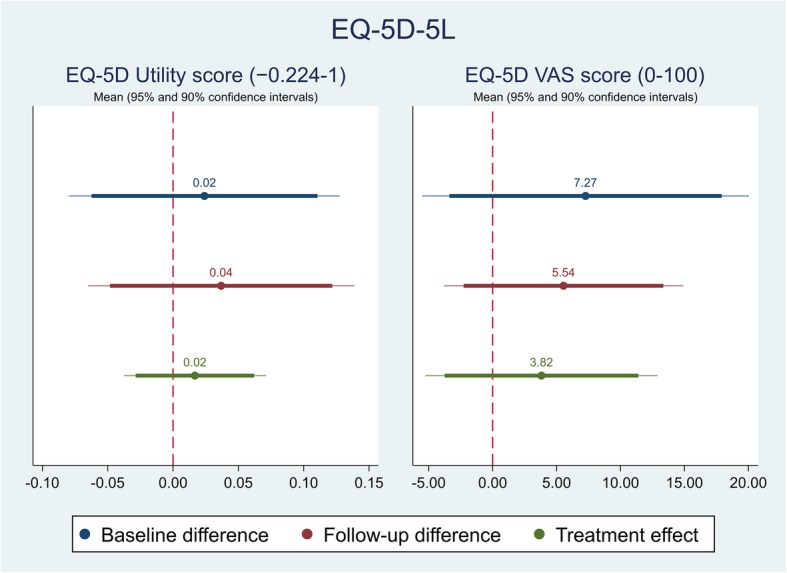
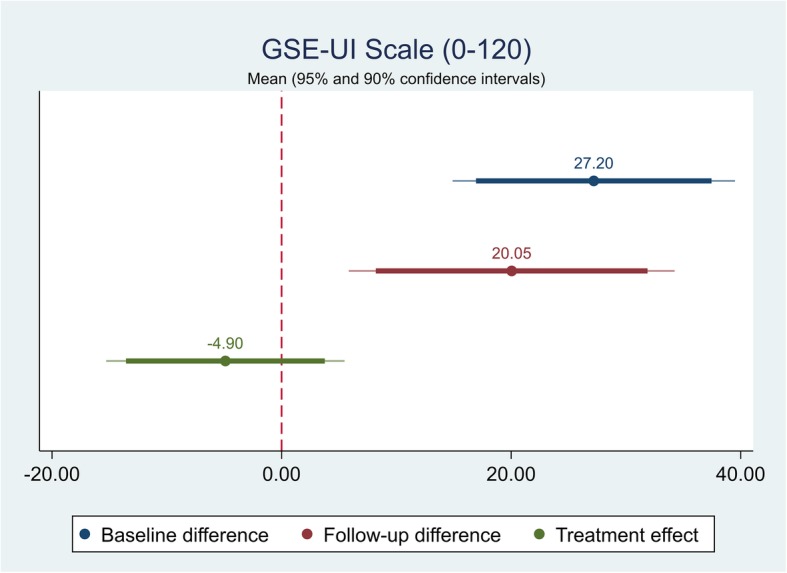
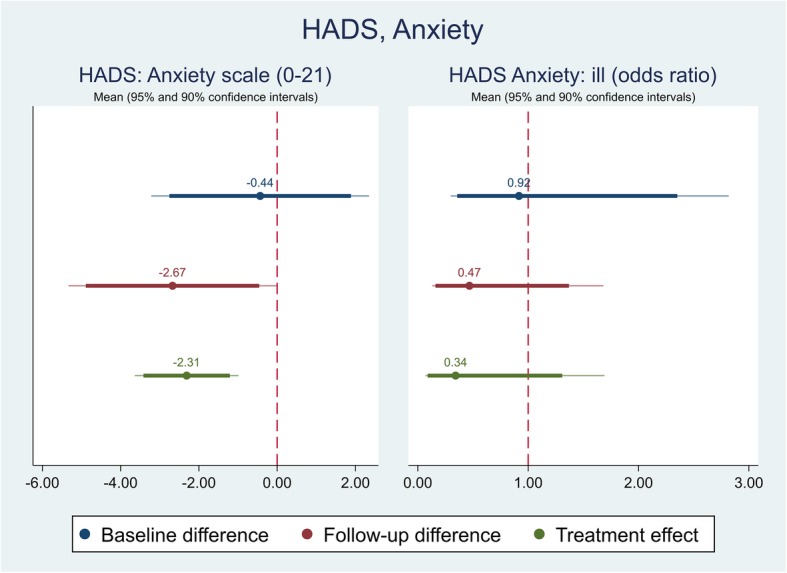
Results: Fifty women were randomised (24 to intervention, 26 to control); mean age of 69.7 (±9.1) years and mean UI frequency 2.2 (±2.2) episodes/day at baseline. Overall, 49 women (98%) completed 3-month follow-up (24 in the intervention, 25 in the control). A positive trend was detected in the impact of UI on their personal relationships (- 3.89, p = 0.088), symptom severity (- 1.77, p = 0.025), UI symptoms scale (- 1.87, p = 0.031) and anxiety status (- 2.31, p = 0.001), respectively. Changes in quality of life and self-efficacy did not differ significantly between groups. Majority of women (71%) in the intervention group reported subjective improvement after 3 months. Spearman correlation coefficient was 0.43 (p < 0.05) between their subjective perception of change and self-efficacy. Women perceived the package being acceptable and described that the package had the potential to increase their knowledge and confidence to manage symptoms and improve quality of life.
Conclusions: The study demonstrated that the self-management package is feasible and acceptable for older women with UI. Further studies are needed with a large sample size in clinical settings to evaluate the effectiveness of this package.
Trial registration: ISRCTN17194896. Registered on 11th September 2019 (retrospectively registered).
Keywords: Acceptability; Feasibility; Mixed methods; Randomised controlled trial; Self-management; Urinary incontinence.
Conflict of interest statement
The authors declare that they have no competing interests.
Figures




Comment in
-
Geriatrics.J Urol. 2021 Jun;205(6):1801-1804. doi: 10.1097/JU.0000000000001724. Epub 2021 Apr 1. J Urol. 2021. PMID: 33792370 No abstract available.
References
-
- Abrams P, Andersson KE, Apostolidis A, Birder L, Bliss D, Brubaker L, Cardozo L, Castro-Diaz D, O'Connell PR, Cottenden A, et al. 6th international consultation on incontinence. Recommendations of the international scientific committee: evaluation and treatment of urinary incontinence, pelvic organ prolapse and faecal incontinence. Neurourol Urodyn. 2018;37(7):2271–2272. doi: 10.1002/nau.23551. - DOI - PubMed
-
- Cooper J, Annappa M, Quigley A, Dracocardos D, Bondili A, Mallen C. Prevalence of female urinary incontinence and its impact on quality of life in a cluster population in the United Kingdom (UK): a community survey. Primary Health Care Res Dev. 2015;16(4):377–382. doi: 10.1017/S1463423614000371. - DOI - PubMed
Publication types
MeSH terms
LinkOut - more resources
Full Text Sources
Other Literature Sources
Medical
