Review
. 2020 Jul;41(7):986-994.
doi: 10.1038/s41401-020-0400-z. Epub 2020 Apr 21.

Engineering nanomedicines through boosting immunogenic cell death for improved cancer immunotherapy

Affiliations
Review

Engineering nanomedicines through boosting immunogenic cell death for improved cancer immunotherapy

Jing Gao et al. Acta Pharmacol Sin. 2020 Jul.

Erratum in

Abstract

Current cancer immunotherapy has limited response rates in a large variety of solid tumors partly due to the low immunogenicity of the tumor cells and the immunosuppressive tumor microenvironment (ITM). A number of clinical cancer treatment modalities, including radiotherapy, chemotherapy, photothermal and photodynamic therapy, have been shown to elicit immunogenicity by inducing immunogenic cell death (ICD). However, ICD-based immunotherapy is restricted by the ITM limiting its efficacy in eliciting a long-term antitumor immune response, and by severe systemic toxicity. To address these challenges, nanomedicine-based drug delivery strategies have been exploited for improving cancer immunotherapy by boosting ICD of the tumor cells. Nanosized drug delivery systems are promising for increasing drug accumulation at the tumor site and codelivering ICD inducers and immune inhibitors to simultaneously elicit the immune response and relieve the ITM. This review highlights the recent advances in nanomedicine-based immunotherapy utilizing ICD-based approaches. A perspective on the clinical translation of nanomedicine-based cancer immunotherapy is also provided.

Keywords: cancer immunotherapy; drug delivery systems; immunogenic cell death; immunosuppressive tumor microenvironment; nanomedicine.


Conflict of interest statement

The authors declare no competing interests.

Figures
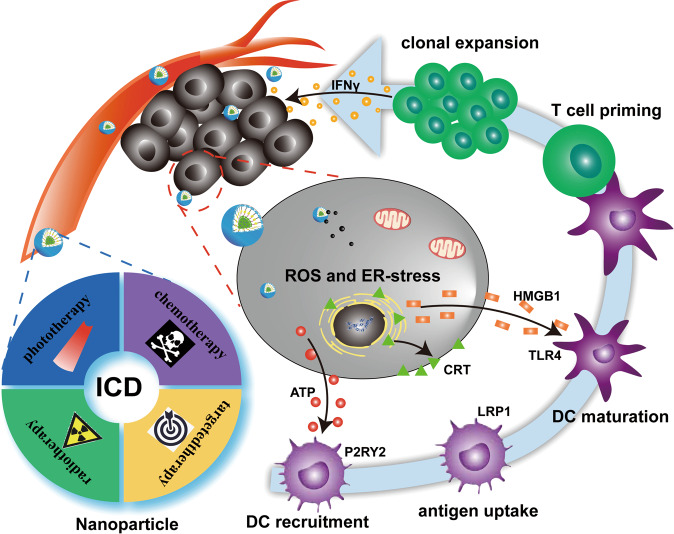
Fig. 1
Fig. 1. Schematic of nanoparticle-mediated ICD for synergistic cancer immunotherapy.
After overcoming pathophysiological barriers, multifunctional nanoparticles composed of ICD inducers and immune inhibitors induce tumor cell death via immunogenic pathways. The DAMPs released by dying cells play a crucial role in modulating the immunogenicity of the tumor microenvironment, including promoting the recruitment of APCs through tumor cell-derived secreted ATP and HMGB1 and facilitating DC maturation. Subsequently, activated DCs prime T cells, enabling CTLs to kill tumor cells via IFN-γ-dependent mechanisms.
Fig. 2
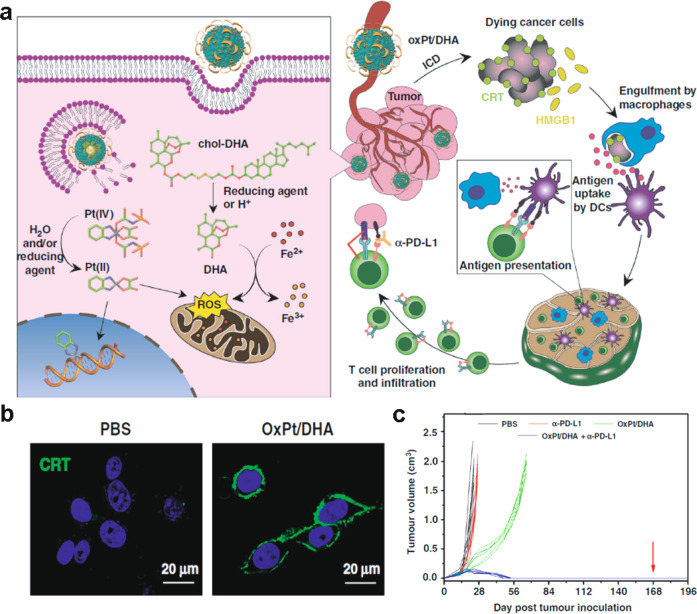
Fig. 2. Schematic of OXA-loaded DHA NCPs (OxPt/DHAs) with synergistic antitumor activity by inducing ICD.
a Chemical structure and synergistic mechanism of tumor inhibition; b Confocal images of cell surface localization of CRT upon exposure to OxPt/DHAs; c. Tumor growth over time with OxPt/DHAs or combination therapy with checkpoint blockade (anti-PD-L1) in a mouse model of CT26 colorectal tumor. Adapted with permission from [44]. Copyright (2019) Nature Publishing Group.
Fig. 3
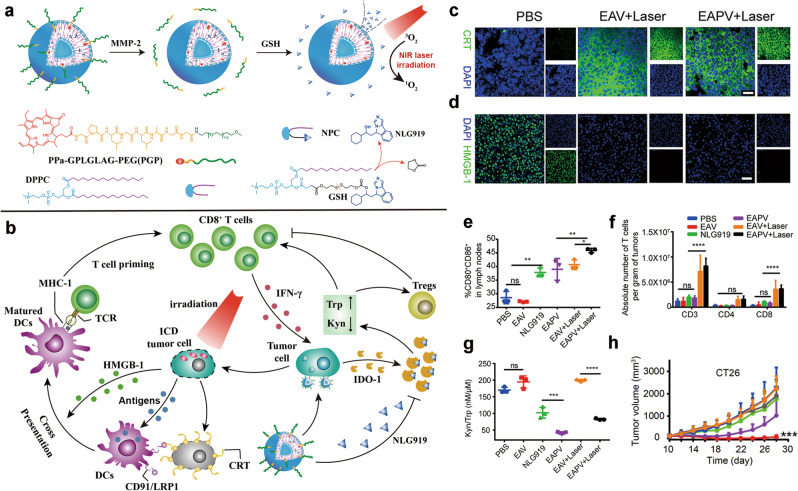
Fig. 3. Schematic illustration of shedding prodrug vesicles for cancer immunotherapy.
a The preparation procedure for enzyme-activatable prodrug vesicles (EAPV) designed to codeliver PEGylated PS and an IDO-1 inhibitor (NLG919); b The mechanisms by which EAPVs enhance antitumor efficacy via synergic triggering of ICD and combating IDO-1-mediated adaptive immune resistance; c Immunofluorescence image of CRT expressed on the surface of tumor cells in the CT26 tumor xenograft model (scale bar = 50 μm); d Immunofluorescence image of HMGB1 release from tumor cells in the CT26 tumor xenograft model (scale bar = 25 μm); e The ratio of mature DCs in tumor-draining lymph nodes; f The number of intratumor infiltrating T lymphocytes in tumor tissue; g Kyn to Trp molar ratio determined for the CT26 tumor tissue; and h Tumor growth curves of the CT26 xenograft tumors. Adapted with permission from [86]. Copyright (2019) American Chemical Society.
Fig. 4
Fig. 4. Schematic of LINC for cancer immunotherapy.
a The chemical structures and self-assembly process of the LINC; b The mechanisms of NIR light-inducible nanoparticles that induce ICD and reprogram the immunosuppressive tumor microenvironment; c CRT expression; d Intratumoral infiltration of CD8+ T cells; and hematoxylin and eosin (H&E) staining of the lung sections collected from the (e) saline and (f) LINCL-treated mouse groups, respectively. Adapted with permission from [88]. Copyright (2019) John Wiley & Sons, Inc.
Fig. 5
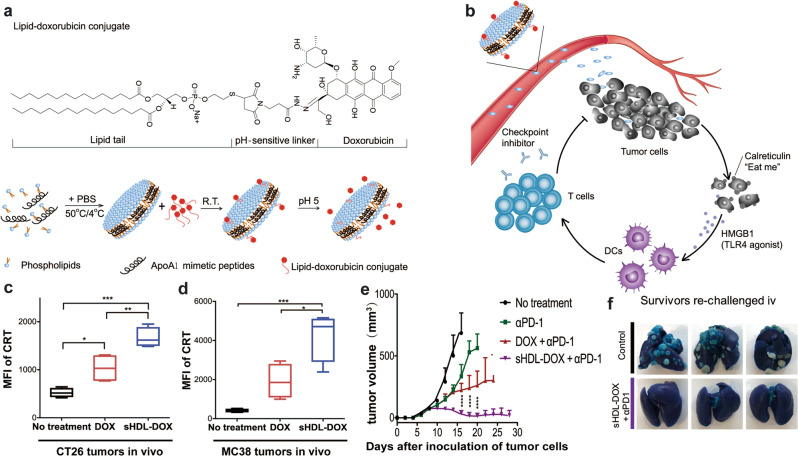
Fig. 5. Schematic of sHDL-DOX to enhance cancer immunotherapy by combining ICD and αPD-1.
a The chemical structure and self-assembly process of a sHDL; b The mechanism of sHDL-triggered ICD-mediated antitumor immunity synergized with ICB. The level of CRT cell surface expression in c CT26 and d MC38 tumor models; e tumor volume over time and f Lung metastasis in CT26 tumor-bearing mice. Adapted with permission from [91]. Copyright (2019) Science Publishing Group.

References

    1. Riley RS, June CH, Langer R, Mitchell MJ. Delivery technologies for cancer immunotherapy. Nat Rev Drug Discov. 2019;18:175–96. - PMC - PubMed
    1. Rosenberg SA. IL-2: the first effective immunotherapy for human cancer. J Immunol. 2014;192:5451–8. - PMC - PubMed
    1. Turley SJ, Cremasco V, Astarita JL. Immunological hallmarks of stromal cells in the tumour microenvironment. Nat Rev Immunol. 2015;15:669–82. - PubMed
    1. Smyth MJ, Ngiow SF, Ribas A, Teng Michele WL. Combination cancer immunotherapies tailored to the tumour microenvironment. Nat Rev Clin Oncol. 2015;13:143–58. - PubMed
    1. Galon J, Bruni D. Approaches to treat immune hot, altered and cold tumours with combination immunotherapies. Nat Rev Drug Discov. 2019;18:197–218. - PubMed

Substances